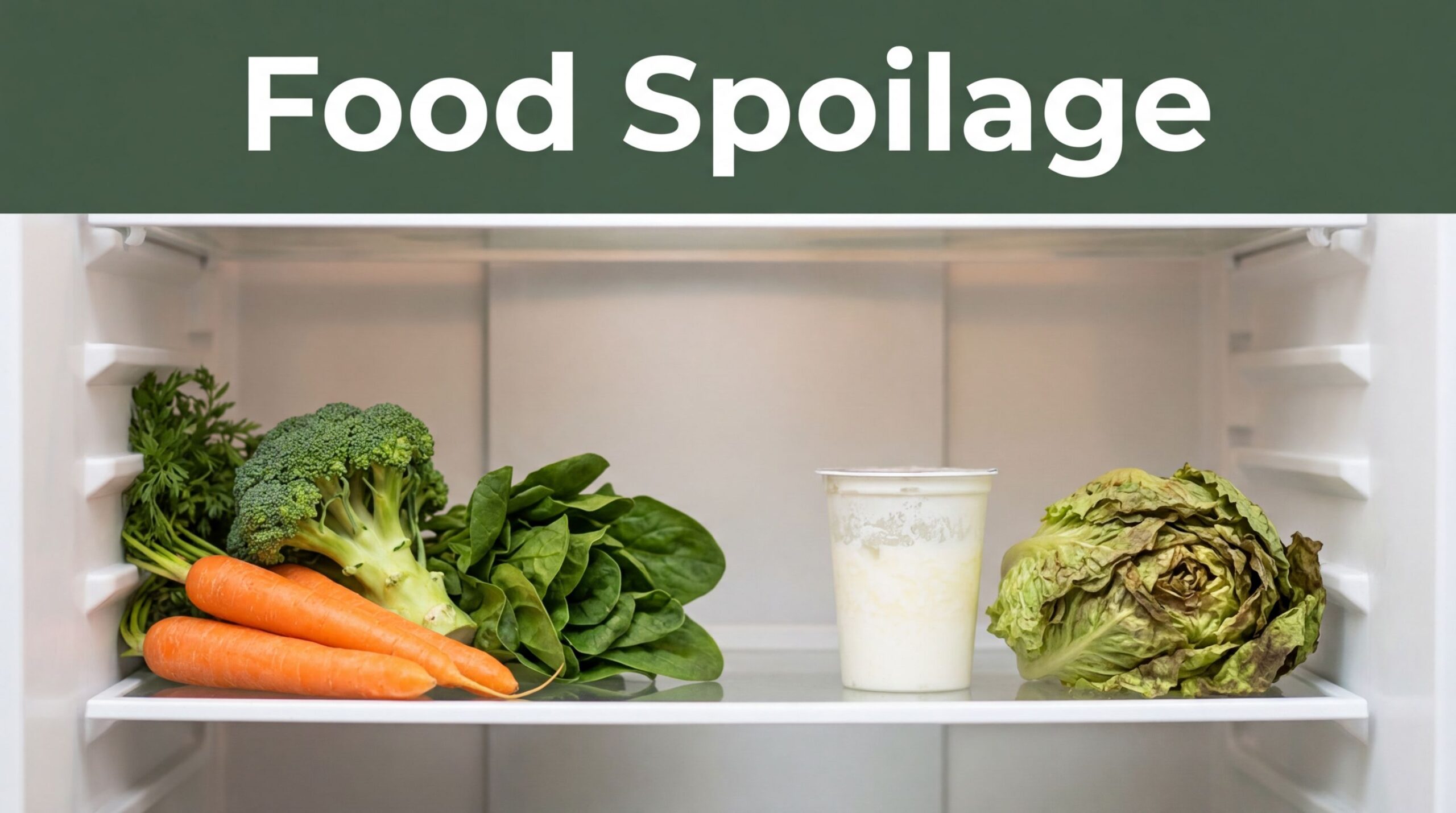
You open the fridge, and there it is again: sour milk, slimy greens, bread with fuzzy spots. That’s not just annoying. It’s expensive, too. In the US, households waste about 32% of the food they buy, and around 60% of that is still edible.
Food spoils fast for a reason. Bacteria and other microbes, air, light, enzymes, moisture, and temperature all play a part. When it’s warmer or humid (or when storms and floods disrupt supply chains), the problem gets worse.
If you want safer meals and less waste, start with the “why,” then use simple storage fixes that work for the foods you buy most.
What Causes Your Food to Spoil So Fast? Meet the Main Villains
Food spoilage is basically food being pushed past its “safe and fresh” stage. Sometimes it turns because germs grow. Other times it changes because chemistry kicks in, like fats going rancid. Still other times, it breaks down from enzymes that are already built into the food.
Most spoilage also happens faster when you stack multiple stressors at once. Think: warm room temperature, a cut fruit that sits out, leftovers stored in a deep container, or a refrigerator that’s running too warm.
For a deeper background on the major spoilage types and causes, see Types and Causes of Food Spoilage.
Bacteria and Microbes on a Feeding Frenzy
Bacteria do not need you to “do it wrong.” They just need the right conditions. The big one is time and temperature. Many harmful bacteria grow fastest in the danger zone around 40°F to 140°F. In that range, numbers can rise quickly, sometimes in as little as 20 minutes, depending on the food.
Warmth matters because many microbes love moist food. They also spread when there’s contamination, like raw meat juices touching salad greens. And yes, some spoilage changes are invisible at first.
Here are common examples people run into:
- Salmonella: often linked to raw produce issues, especially after storms and flooding contaminate fields.
- E. coli: can show up on meats or in contaminated produce and water.
- Listeria: can grow in the fridge and is a concern in some deli and ready-to-eat foods.
- Bacillus cereus: can be tied to foods like rice or pasta when they cool slowly and sit out.
In early 2026, US health officials reported outbreaks tied to Salmonella and ongoing Listeria concerns in some food categories. The takeaway is simple. Even if a food smells “fine,” it can still pose risk if it sat too warm or crossed paths with germs.
If you want a clear baseline for safe handling habits, the FDA’s overview at Safe Food Handling is a good reference for common kitchen mistakes.
Oxidation Turning Fats and Oils Rancid
Not every spoiled smell comes from microbes. Some come from oxidation, which happens when fats and oils react with air and light.
This matters most for:
- Nuts
- Oils (olive, canola)
- Fried foods
- Fatty cuts of meat
- Packaged snacks once opened
When oxidation ramps up, you might notice a stale, paint-like, or “off” smell, plus changes in taste. Sometimes the color shifts, too. Warm storage speeds it up, and clear containers let more light in.
A simple home example: you open a bag of chips, then set it on the counter “for a bit.” The bag gets oxygen exposure, heat cycles, and extra crumbs. Later, the chips taste dull and stale even if they are not “spoiled” in the mold sense.
So the fix is usually not complicated. Reduce air exposure, keep it cool, and seal it tight.
Enzymes Breaking Food Down from the Inside
Fruits and vegetables have natural enzymes. When produce gets cut, bruised, or harvested, those enzymes start working fast. As a result, you’ll see:
- Browning (like apples turning brown)
- Softer textures
- Off flavors in fresh-cut items
Heat makes this worse because reactions speed up. That’s why sliced fruit left near the stove can change fast. It’s also why bagged produce can go downhill sooner once the package gets opened and exposed.
Interestingly, oxidation and enzymes often team up. A cut surface lets oxygen in, so browning and stale flavor can hit at the same time.
If you want a preview of the practical fix, it’s basically this: chill early and store in a way that limits moisture swings.
Moisture and Temperature Teaming Up for Trouble
Moisture is both necessary and dangerous. Too much moisture encourages mold and yeast. Too little moisture can dry food out, which can still make it taste bad and lose quality.
Temperature ties it all together. In many homes, the fridge runs a little warm, especially near the door. Meanwhile, the kitchen counter might stay hot longer than you think during summer or heat waves.
In the 2026 US pattern of warmer spells and storms, food safety risks can rise because floods and dirty water can contaminate crops and supply chains. Floodwater can spread bacteria, and warm conditions can help germs grow before food reaches your kitchen.
Also, small physical damage invites trouble. A dented tomato, a cracked egg, or a bruised avocado lets more air and microbes move in faster. That’s why “almost fine” produce often fails sooner than you expect.
Smart Storage Rules to Make Food Last Weeks Longer
Prevention is easier than guessing. Your goal is to slow spoilage and keep food out of risky temperature ranges.
Start with one simple principle: keep cold foods cold and heat-treated foods hot until they’re ready to chill. If you do that, you cut down on both microbial growth and quality loss.
Also, treat storage as part of cooking. Most people focus on cooking time and forget what happens after.
Here’s a quick temperature guide that matches what most food safety charts recommend:
| Food situation | Best target | Why it matters |
|---|---|---|
| Refrigerator storage | 32°F to 40°F | Slows most bacteria growth |
| Freezer storage | 0°F or below | Keeps food safe for long periods (quality may drop) |
| Leftovers after cooking | Chill within 2 hours | Limits time in the danger zone |
| Leftovers reheated | Heat to 165°F | Helps reduce leftover bacteria risk |
If you want exact timelines by food type, use Cold Food Storage Chart or check Cold Food Storage Chart for specific “how long” answers.
Nail the Right Chilling and Freezing Temps
If your fridge is running warm, it’s like keeping milk near the window. It’s not dramatic, so it feels safe, but it still ruins quality fast.
Use a thermometer to confirm the temp. The FDA points out that a fridge can look fine and still be off, which is why Refrigerator Thermometers are such a helpful tool.
Practical habits that make a real difference:
- Put items toward the back, where temps stay steadier.
- Avoid stuffing the door shelves with dairy and leftovers.
- Chill hot leftovers quickly in shallow containers.
- Thaw food in the fridge, not on the counter.
- When reheating, heat through (especially soups and casseroles).
Also, don’t ignore best-by dates. They often reflect peak quality, but when you combine a warm fridge and a delayed “check,” quality drops into safety trouble.
Block Air, Light, and Extra Moisture Smartly
If you only remember one “mechanical” rule, make it this: control exposure.
Air exposure drives oxidation and dries out foods. Light exposure speeds quality loss for fats. Moisture exposure helps molds grow and can ruin texture.
Try these storage moves:
- Use airtight containers for meats, leftovers, and opened snacks.
- Wrap cheese and store it in a covered container, not uncovered.
- Keep produce in the right place (crispers help, but not all produce likes the same humidity).
- Dry berries and greens before refrigerating (wet produce spoils faster).
- Store cut fruit in sealed containers, and use it soon.
A small tip with big payoff: when you open something, repackage it right away. Leaving it open while you cook dinner costs freshness. Then you wonder why it spoils before the next grocery run.
Custom Tips for Your Favorite Foods to Beat Spoilage
Different foods fail for different reasons. The trick is matching storage to the food’s weak spot.
Also, keep an eye on your home environment. In March 2026, warmer weather and storm disruptions can increase contamination risks and speed spoilage. So your habits matter even more when the week is hotter or busier than usual.
Fruits, Veggies, and Leafy Greens
Produce usually spoils from moisture issues, bruising, and airflow. Most leafy greens do best when they’re dry and stored in the right crisper area.
- Store greens in breathable bags, but don’t let them stay wet.
- Wash produce shortly before eating, not days ahead (unless you’re drying it well).
- For produce that’s near the “going bad” stage, freeze it instead of tossing it.
- If you buy after storms or floods, inspect carefully. Avoid damaged or overly soft items.
Freezing works well for firm berries and sliced produce. It won’t keep the same texture, but it stops spoilage and cuts waste.
Meats, Poultry, and Seafood
These foods are mostly about microbial safety. Treat them like they’re always one step away from danger.
- Keep them at 40°F or below in the fridge.
- Store raw meat on the bottom shelf, so juices cannot drip.
- Cook promptly, or freeze quickly if you won’t cook soon.
- Thaw safely in the fridge.
- Reheat leftovers and cooked meats until hot throughout.
In 2026, outbreaks tied to contamination concerns have reminded people that “nearly done” handling can still be risky. The simplest prevention is time control, plus keeping raw and ready-to-eat foods apart.
Dairy Like Milk, Cheese, and Yogurt
Dairy often spoils from bacterial growth and temperature swings. Even when dairy stays below the danger zone, it can change over time.
- Keep milk and dairy toward the back of the fridge.
- Seal containers tight. Odors can spread, and moisture loss can change texture.
- Use opened yogurt and sour cream within the usual few-day window.
- For cheese, wrap tightly and keep it in a covered container.
Also, check your refrigerator temperature. If it runs high, dairy can sour early. That matters for risk as well, since some bacteria can grow slowly even in cold conditions.
Cooked Leftovers, Rice, and Pasta
Leftovers are where many people slip. The cooking part goes great, then cooling takes too long.
- Portion leftovers into shallow containers.
- Chill within 2 hours.
- Keep leftovers in the fridge for a short window, then freeze if you won’t finish.
Rice deserves extra care. If cooked rice cools slowly at room temp, bacteria can multiply and cause illness. When in doubt, store rice promptly, and reheat until steaming hot throughout.
If you want clear “how long” guidance, the storage timelines from FoodSafety.gov help you decide what to eat first and what to freeze.
Breads, Nuts, and Pantry Staples
Pantry items often spoil from moisture, pests, or oxygen. They don’t usually “look unsafe” until quality falls apart.
- Store bread in a cool, dry spot (and freeze extra slices).
- Keep nuts sealed tight. They go rancid faster with air and warmth.
- Use airtight bins for flour and grains if your kitchen gets humid.
- If you notice musty smells, discard the batch. Don’t taste-test questionable food.
A quick rule: if you opened it and left it exposed, plan on shorter freshness. Air and humidity pick up where your seal left off.
Conclusion
Food spoils quickly because several forces attack at once: microbes that grow faster in warm conditions, chemistry changes like oxidation, enzymes that keep breaking food down, and moisture that fuels mold. In 2026, warmer weather and storms can add extra risk, so good storage habits matter even more.
The best prevention is also the easiest to start today: confirm your fridge runs cold, chill leftovers fast, and seal foods to limit air and moisture.
If you had to fix one habit this week, what would it be, fridge temp, sealing opened food, or chilling leftovers sooner? Try one change now, and watch how much waste you stop.