About 31.9% of the food US households buy ends up wasted, on average. And some pantry re-org guides peg the yearly cost of a messy kitchen at around $1,800 for an average family (even if you never “mean” to waste food) (see the pantry organization guide for the estimate and zone method).
Here’s the part that stings: most waste isn’t about bad recipes. It happens because food gets buried, forgotten, or bought twice. Around the world, households create 53% of total food waste, so the fix is worth it even if you only cook for one.
When your kitchen has clear spots and simple rules, you waste less and spend less. So how do you get there without turning your kitchen upside down? Start with a fast declutter, then build storage zones you can actually use.
Declutter Your Kitchen to Spot Waste Hotspots
Start with one goal: make visible what you already own. When you can see food, you buy less, cook more, and skip the “mystery dinner” trash run.
Do a kitchen audit one zone at a time. Empty the pantry first, then the fridge, then the freezer. This keeps the task from feeling endless. As you sort, watch for patterns. Do certain items always live in the back? Do you repeatedly throw away wilting produce? Those spots are your waste hotspots.
If you want a reality check, review common mistakes like expired food hiding in drawers or unhelpful storage choices. Food and Wine breaks down several organizing missteps that can quietly drive waste up, so you can avoid the same traps (see kitchen organizing mistakes).
Use this sorting flow:
- Empty one area fully (start with one shelf or one bin).
- Sort into four piles: keep, donate, compost, trash.
- Check dates and quality: smell, look, and texture beat the calendar most days.
- Group duplicates you find, then note what you actually use.
- Take one before photo and one after photo to keep momentum.
For donations, stick to items you’d feel good eating yourself (unopened, labeled, not expired). Also label donation bags right away. It saves time later at pickup.
Toss Expired Items and Make Room Fast
Focus on produce first. It’s a major source of household food waste, and it spoils faster than most pantry items.
Look for more than a printed date. A “best by” label often means quality, not safety. If your food smells off, looks fuzzy, or has a slimy surface, toss it. If it just looks a little sad, you might still save it.
Then set up a simple compost plan. If you can compost, keep a small container for peels and scraps in the fridge. If not, save vegetable scraps for stock. Either way, don’t throw everything out just because it’s imperfect.
One warning: don’t keep “maybe” items. “Maybe” food turns into trash when it falls further behind. Instead, decide now. Use it tonight, freeze it, donate it, or discard it.
Catalog What You Have to Avoid Rebuys
Now switch from sorting to documenting. A quick inventory stops impulse buys, even when you’re tired.
Do it low-tech. Grab your phone notes or a sheet of paper. Write categories, not everything in microscopic detail. For example:
- Grains and baking staples
- Canned goods
- Spices and sauces
- Dairy and eggs
- Fresh produce
- Frozen items
Add rough quantities. “Half-used oats” beats “oats” every time. Next time you shop, you’re not guessing. You’re matching your list to what’s already at home.
Apps can help with scans, but don’t feel pressured. A simple list works because it’s fast. Speed matters, especially on weeknights.
Set Up Smart Storage Zones for Longer Food Life
Decluttering is the reset. Storage zones are the system.
Use a first in, first out (FIFO) rule. Put newer items behind older ones. Then you’ll naturally rotate what you buy. It sounds basic, but it prevents that slow-motion back-of-fridge spoil.
Make visibility your default:
- Use clear bins for similar items.
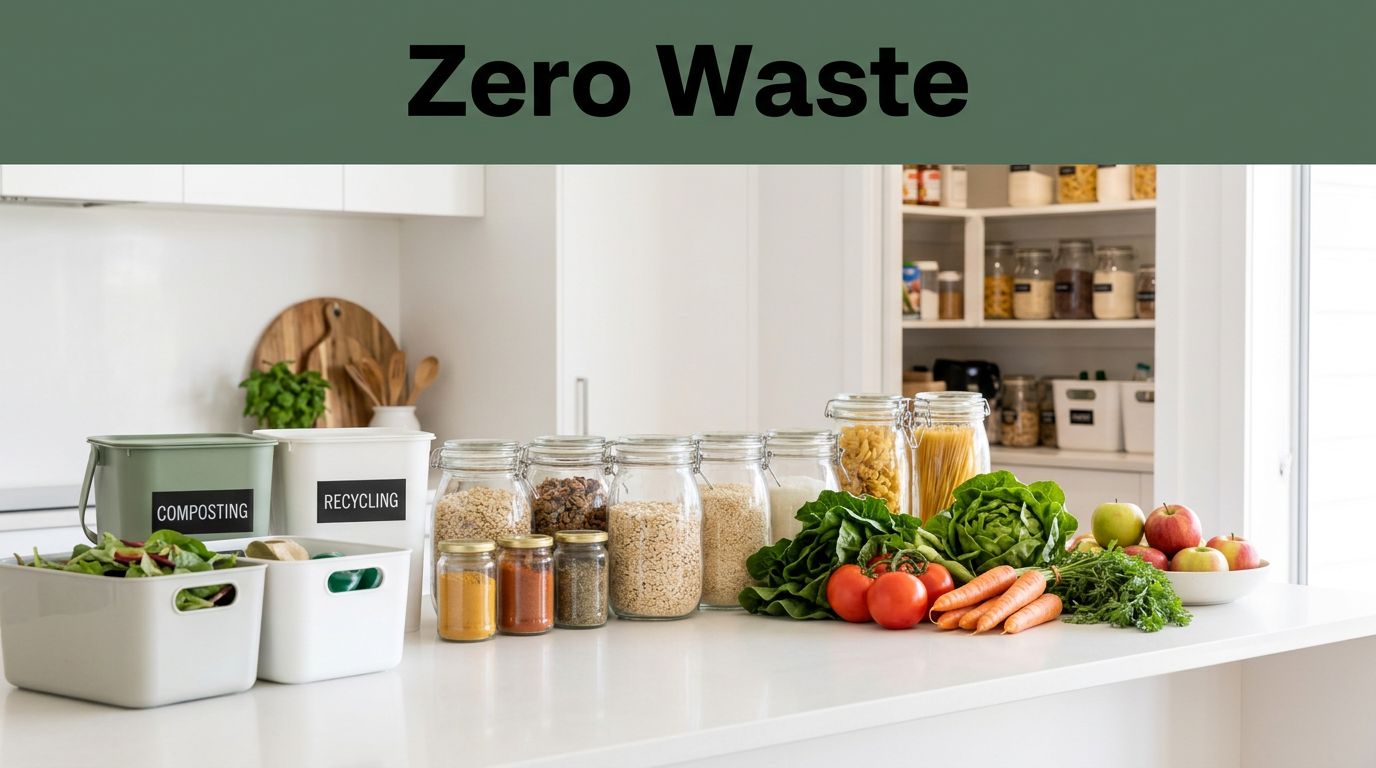
- Store dry goods in jars so you can spot what’s low.
- Label bins so everyone knows where things go.
Also, separate produce by how they ripen. Fruit often speeds up veggie spoilage. Keep apples away from leafy greens. Then use drawers with the right humidity when your fridge has that option.
If you’re building your system from scratch, consider fridge habits recommended by organizers and local experts. The Seattle Times offers practical steps to keep refrigerated food from turning into waste (see reduce food waste in the fridge).
Pantry Hacks That Keep Dry Goods Fresh
Your pantry should work like a store shelf, not a storage closet.
Rotate items as you restock. Add a quick label with a purchase date for anything that tends to linger, like flour or opened grains. Vertical risers can help cans and boxes stand upright, so nothing gets buried.
Also watch for pests. For grains, store them in sealed containers. If you’ve battled weevils before, keep dry goods airtight and clean the shelf area regularly.
Fridge and Freezer Layouts Built for Success
Start with the door. Keep it for condiments only, because door temperature swings. Put dairy on a stable middle shelf. Then use crisper drawers for produce, with humidity set based on what’s inside.
A simple layout can stop waste faster than any “perfect” container. In the freezer, store oldest items at the front. Use freezer-safe containers or bags, then flatten bags for easy stack.
For quick prep, freeze herbs in ice cube trays with a little water. You can pop cubes straight into soups and sauces.
One more trick: freeze bread in slices. It thaws fast and avoids the “why is this rock hard?” moment.
Plan Meals Around What You Already Own
Organizing gets you visibility. Meal planning turns visibility into action.
Instead of buying first, plan based on inventory. Pick 5 to 7 meals for the week and build your grocery list from what you need to complete those meals. When you batch cook, leftovers become dinner, not leftovers in the back of the fridge.
Also, use near-spoil produce on purpose. Overripe bananas can become smoothies or banana bread. Limp veggies can become stir-fry or soup. According to recent data, 45% of people use leftovers more because of higher prices, so you’re not alone.
Here are a few strategies that work together:
| Strategy | How it reduces waste |
|---|---|
| Weekly inventory-based list | Fewer duplicates and fewer “maybe” buys |
| Batch cooking and freezing | More dinners from the same ingredients |
| Use-it-up meals for odds and ends | Saves produce that’s about to go |
Build a Waste-Free Weekly Shopping Blueprint
Keep it simple and repeatable:
- Inventory Sunday (fridge, freezer, pantry quick scan).
- Plan 5 to 7 meals that fit your week.
- List exact quantities for what you’re missing.
- Shop the perimeter first for fresh items.
Then stop. Don’t add extras “just because.” That’s how waste creeps in.
Turn Near-Spoil Finds into Tasty Wins
When you find produce that’s past its prime, treat it like an ingredient clue. Make one “rescue” meal each week.
- Banana with spots? Bake or blend it.
- Mushrooms getting soft? Cook them down for a quick topping.
- Veg scraps? Save them for broth or stock.
Freeze any extra the moment you decide to save it. Don’t wait “until later.” Later usually becomes tomorrow, and tomorrow usually becomes trash day.
Lock in Habits That Make Waste a Thing of the Past
You don’t need a new personality. You need small routines.
Do a weekly fridge check. Look for anything nearing its end. Then, pull from the oldest spot first. That one habit alone reduces waste without extra effort.
Involve the household. Assign one person the “fridge closeout” job before groceries arrive. Make it normal, like taking out the trash. If you share the kitchen, shared habits work.
Also, consider simple swaps:
- Use smaller plates so you don’t over-serve.
- Chop herbs and freeze them instead of letting them wilt.
- Keep a scrap container for compost or stock.
Even small changes can add up fast, especially when food costs keep climbing.
Conclusion
If you want less waste, your kitchen needs two things: visibility and a plan. Declutter to find what’s stuck, store food in clear zones, then shop based on what you already have.
Pick one action today: do a fridge scan, label one bin, or plan one “use it up” meal. Your organized kitchen awaits, and it’s already saving you money in small ways.
Want more ideas for cutting waste from pantry to plate? Start with how to reduce food waste in your kitchen, then build a routine you can repeat every week. What waste hotspot do you want to fix first?