Grocery prices can feel like they jump overnight, especially in March. In early 2026, staples like rice and eggs have been a bit steadier than other foods, but your total bill still climbs.
The good news? Simple budget meals don’t mean bland food. When you build meals around cheap staples, you can eat well all week. You also spend less without relying on pricey takeout or specialty ingredients.
This guide breaks down cheap cooking ideas that actually fit a real schedule. You’ll learn what to stock, how to plan a week without stress, and how to cook easy recipes that taste bold. Then you’ll get simple tricks to stretch your budget even more.
Let’s start with the pantry items that do most of the work.
Stock Your Kitchen with Cheap Staples That Last
Think of your kitchen like a money-saving toolbox. The right cheap staples help you cook multiple meals without hunting for new ingredients each time.
In early March 2026, rice has been around $1.07 per pound on average. Eggs have also been unusually affordable at about $1.25 per dozen in some stores. Overall food-at-home costs rose about 2.1% year over year, so planning around stable items helps a lot.
Here’s the strategy: focus on shelf-stable foods, then add fresh veggies when they’re on sale. Beans, rice, pasta, eggs, and canned fish are especially useful. They stretch far, hold up in the fridge, and reheat well.
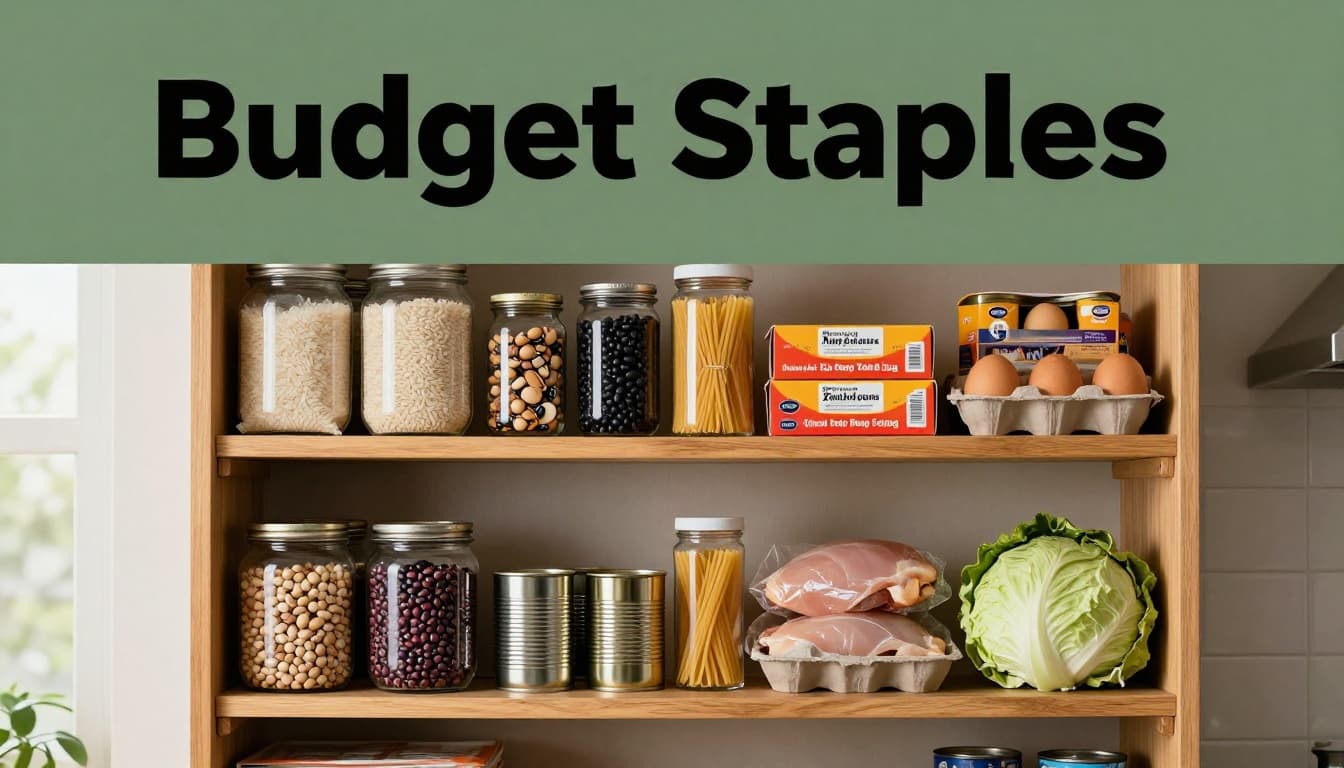
Most budget cooks already know this, but it bears repeating. The tastiest meals often come from simple combos, plus salt, heat, and acid. A squeeze of lemon, a dash of vinegar, or a spoon of salsa can make cheap food taste planned.
Beans and Rice: Your Go-To Budget Heroes
Beans and rice are the easiest base for simple budget meals. They’re filling, forgiving, and flexible. You can make them Mexican-style, stir-fry style, or soup-style.
Dry beans often cost about $1 to $2 per pound, and canned beans are often near $1 per can depending on the brand. Rice can stay near $1 to $1.50 per pound in many stores, especially if you buy larger bags.
Try these easy directions:
- Pinto beans for tacos, burrito bowls, or roasted squash bowls
- Cannellini beans for creamy tomato sauces or garlic sides
- Mung beans for quick stovetop meals (ginsing monggo style)
If you cook dry beans at home, you’ll pay less per meal. That said, canned beans can save time on busy nights.
Dry vs. canned quick reality
- Dry beans: cheaper, but need soaking (or a faster method).
- Canned beans: faster, and you can rinse them for a lighter taste.
If you want a deeper look at grocery price swings, check the USA Today grocery prices tracker. It’s handy when you’re deciding what to stock before prices shift again.
Pasta and Canned Fish for Quick Wins
Pasta is budget comfort food. One box can feed a family for several nights if you stretch it with vegetables and sauce. Pasta often lands around $1 to $2 per pound depending on the shape and store deals.
Now add canned fish. Tuna and sardines bring protein without the “fresh food risk.” They also taste richer than you’d expect.
A simple game plan:
- Make pasta with a jar sauce you already own, then thin it with pasta water.
- Add canned tuna for a quick protein boost.
- Use sardines for bold flavor and a fast simmer.
Omega-3 rich fish can also help balance meals. You won’t need a fancy plan. Just a few cans and a basic pasta method.
If you like the idea of budget pasta that uses pantry-friendly protein, Budget Bytes has recipes like creamy tuna pasta ideas that show how far a can of tuna can go.
Chicken, Eggs, and Veggies on Sale
For meat, focus on the cuts that stay affordable. Chicken thighs are often around $2 to $4 per pound in typical store ranges. That price range makes them perfect for fajitas, sheet-pan meals, and simple stir-fries.
Eggs are another smart anchor. At roughly $1.25 per dozen in early March 2026, eggs help you stretch meals cheaply. You can bake with them, scramble them, and add them to fried rice.
Then grab the “filler” veggies that keep you full. Cabbage, onions, and squash can often land in the $1 to $2 per pound range. They cook down fast, too, which saves time and effort.
One more money move: buy extra chicken when it’s on sale and freeze it. Portion it before freezing so it’s easy to grab one meal’s worth later.
Here are must-have staples you can rotate all month:
- Rice (white or brown)
- Dry beans and/or canned beans
- Pasta (any shape)
- Canned tuna or sardines
- Eggs
- Chicken thighs (frozen in portions)
- Cabbage or onions (cheap, filling, cooks fast)
Finally, don’t ignore flavor. Your pantry should include salt, black pepper, garlic powder, chili powder, and a few sauces like salsa or soy sauce. These turn cheap ingredients into something you’ll crave.
Plan Smart to Cut Your Grocery Bill in Half
Meal planning sounds fancy, but it doesn’t have to be. The goal is simple: build a week around what you already stocked. Then you buy only what’s missing.
Also, keep in mind that some fresh items can jump in price. You might see more pressure on produce when weather changes. So, use a mix of fresh veggies and shelf-stable foods, and your budget stays calmer.
Build a Weekly Meal Plan Around What You Have
Start with your staples. Then pick 3 to 5 recipes you can repeat ingredients across. That’s the real savings.
Here’s a simple way to plan:
- Write your staples on a sticky note (rice, beans, pasta, eggs, canned fish).
- Choose 3 proteins (beans, tuna, chicken for example).
- Add one cheap veggie for the week (cabbage and onions are great).
- Plan lunches using leftovers when possible.
Below is a sample week for four people. Each meal uses overlapping ingredients, so nothing sits unused.
| Day | Meal | Main Staples |
|---|---|---|
| Monday | Bean tacos | Beans, rice, cabbage |
| Tuesday | Tuna rice bowls | Rice, tuna, onions |
| Wednesday | Chicken fajitas | Chicken, peppers, rice |
| Thursday | Pasta with sardines | Pasta, sardines, greens |
| Friday | Mexican rice and beans | Rice, beans, salsa |
| Saturday | Leftover night | Reheat and remix |
| Sunday | Simple egg dinner | Eggs, cabbage |
For more family-friendly ideas under a budget, you can also browse 15 family dinner ideas under $15. It can spark combinations that still fit your staples.
Shop Like a Bargain Hunter Without the Hassle
Shopping smarter takes less time than you think. You just need a repeatable method.
Use this approach:
- Check store ads for one week at a time. Pick the best sales first.
- Buy seasonal veggies. Cabbage and onions often stay affordable.
- Freeze what you won’t cook right away. Chicken freezes well.
- Avoid “one-off” items. If it doesn’t fit two meals, skip it.
A helpful mindset: treat fresh produce like a bonus, not the foundation. Your foundation is rice, beans, eggs, pasta, and canned fish. Then veggies add crunch and color.
If you want a quick reminder that eggs can move differently than other items, see this article about grocery price pressures in 2026: grocery prices climbing again in 2026.
The takeaway is simple. When prices feel unpredictable, stable staples help you stay in control.
Whip Up These 5 Simple Recipes That Taste Like a Million Bucks
Ready for the fun part? These recipes use the staples you stocked earlier. Each one is designed to feed about 4 people while keeping costs low. Prep stays fast, and you can mix leftovers into the next meal.
To keep the flavors bold, use one “heat” ingredient and one “bright” ingredient. Heat could be chili powder or salsa. Bright could be vinegar, lemon, or a quick tomato spoon.
Sheet Pan Chicken Fajitas in 20 Minutes
Ingredients (about $14 to $15 for 4): 1 lb chicken thighs ($3 to $4), 1 to 2 bell peppers ($2), 1 onion (~$1), fajita spice (about $1), olive oil or spray (about $1), plus rice for serving (about $2 to $3). Add tortillas if you want.
- Heat oven to 425°F.
- Slice chicken, peppers, and onion thin.
- Toss with spices and a little oil.
- Spread on a sheet pan (single layer).
- Bake 15 to 18 minutes, then serve with rice.
Bold flavor tip: finish with salsa or a squeeze of lime.
Tuna Fried Rice for Leftover Night
Ingredients (about $10 to $12 for 4): 3 cups cooked rice (leftover works), 2 cans tuna ($2 each depending on brand), cabbage or onion ($2), 2 eggs ($0.50 to $1 each), soy sauce or salt ($1).
- Chop cabbage and onion small.
- Stir-fry veggies in a hot pan with a splash of oil.
- Add tuna and warm through.
- Stir in rice until hot and lightly crisp.
- Scramble in eggs at the end, then season.
Make it better: add pepper flakes or hot sauce if you like heat.
Crispy Butter Beans with Greens
Ingredients (about $12 to $14 for 4): 2 to 3 cans butter beans (or cannellini, around $1 each), chopped cabbage or greens ($2), garlic ($0.25 to $0.50), butter or oil ($1), vinegar or lemon ($0.50), salt and pepper.
- Drain beans (save a little liquid).
- Sauté garlic in oil or butter.
- Add beans and cook until some edges brown.
- Stir in chopped greens and cook until wilted.
- Finish with vinegar or lemon, then serve hot.
Why this works: the browning adds “fast restaurant” flavor.
One-Pan Pasta with Bold Tomato Sauce
Ingredients (about $13 to $15 for 4): 1 lb pasta ($1.50 to $2), 2 cans sardines or tuna ($2 to $3 each), 1 jar pasta sauce or canned tomatoes ($4 to $6), garlic ($0.25 to $0.50).
- Cook pasta in salted water until just tender.
- Reserve 1 cup pasta water, then drain.
- Warm sauce in a large pan.
- Stir in sardines (or tuna) and pasta water.
- Toss in pasta until glossy and hot.
If you want a similar pasta template, this taco pasta one-pot meal shows how one-pot methods reduce dishes and stretch flavor.
Simple trick: keep it glossy with pasta water.
Mexican Rice with Beans (Comfort Bowl Style)
Ingredients (about $11 to $13 for 4): 1.5 cups dry rice (or about 6 cups cooked), 2 cans beans ($2), onion ($1), garlic or chili powder ($0.50 to $1), salsa ($3 to $4), plus cabbage for crunch (~$2).
- Sauté onion (and garlic if using) in a pot.
- Add rice and stir until coated.
- Add water (or broth) and simmer until tender.
- Stir in beans and salsa, then warm through.
- Top with shredded cabbage and a pinch of salt.
Flavor upgrade: add hot sauce to your bowl, not the pot.
Everyday Tricks to Make Budget Cooking Stick
You can plan perfectly and still waste food. So make budget cooking easier than cooking “however you feel.”
Here are practical tricks that help:
- Batch cook one base. Cook extra rice or beans, then reuse them.
- Repurpose on purpose. Fajita chicken becomes wraps or rice bowls next night.
- Season once, season right. Use salt early, then add heat later.
- Freeze portions. Freeze chicken, rice, or beans in meal-size containers.
- Cook “snack meals”. Small bites like bean tostadas or egg rice keep variety high without extra cost.
Waste is sneaky. If you only eat half the cabbage, you lose money. Keep a bag in the fridge and chop what you need each time. Also, store onions in a cool, dry spot so they last longer.
A quick savings reality check: if takeout costs $20 to $30 per meal, one week can drain your budget fast. Swapping even two dinners can save around $50 or more.
The secret isn’t fancy recipes. It’s using your staples again and again.
Also, you’ll feel better when meals work smoothly. Less stress means you’re more likely to cook at home next week.
Try one recipe this week, then tweak it to match your family. Maybe you love extra salsa, or maybe you want more cabbage crunch. Either way, you’re building skills, not just dinners.
Conclusion
Grocery prices feel loud in March, but your kitchen can still feel calm. When you stock simple budget staples and plan around them, you cut waste and spend less.
Choose a few repeat ingredients, like rice, beans, eggs, pasta, and canned fish. Then cook simple recipes that use bold seasoning and quick bright flavors. After that, repurpose leftovers and freeze portions so you never start from zero.
Start with one recipe from this list this week. Then share your favorite simple cheap meals or trick in the comments. What do you cook when your grocery budget feels tight?