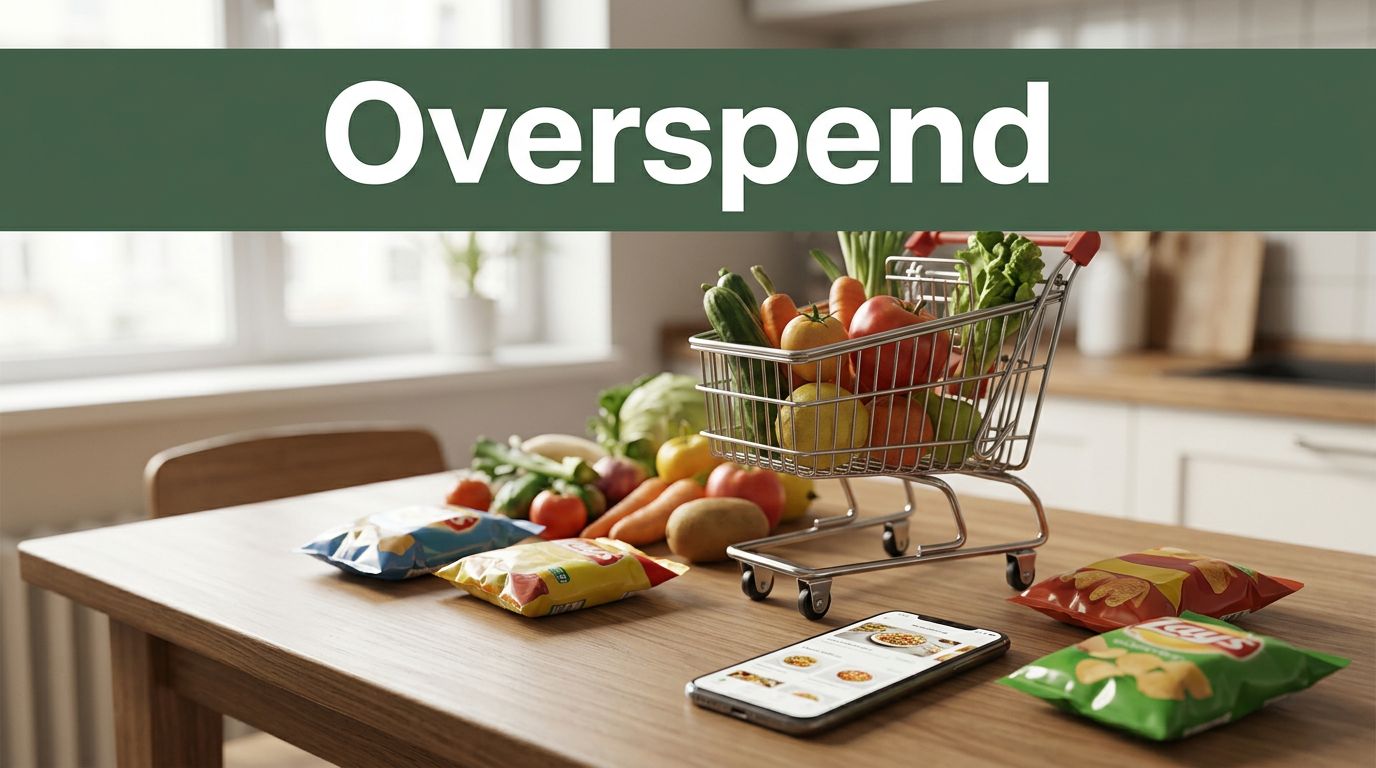
Your grocery bill can jump fast, even when you swear you’re “being careful.” In 2026, shoppers are planning to spend about 18% more on food, even as inflation eases. And 54% say groceries hit their finances hardest, which makes sense when every trip feels like a test.
Picture a family that starts the month confident. Then, by week three, they’ve racked up $1,300 in food-related spending (groceries plus snacks plus delivery). It’s not one huge mistake. It’s a pile of small choices that feel harmless in the moment. One extra bag of chips. A second stop “just for milk.” A quick DoorDash order after a long day.
The good news? Overspending on groceries isn’t random. It usually comes from habits, mind tricks, and store moves. When you know the pattern, you can interrupt it.
In the sections ahead, you’ll see the top reasons people go over budget, backed by 2026 trends and shopper behavior. Then you’ll get simple, practical fixes you can start this week. No complicated diet plans. No starving. Just ways to keep meals on the table while your grocery budget stays under control.
If you want a reality check on what’s driving these choices, recent 2026 budgeting research shows many people are setting limits, but they still struggle when stores and stress hit at the same time (see U.S. consumer spending and budgeting trends in 2026).
Everyday Habits Quietly Draining Your Grocery Budget
Habits are sneaky. They don’t feel like “overspending.” They feel like normal life. Then, over time, those normal actions add up to bigger bills, wasted food, and more stress.
For a quick snapshot, think about USDA food plan costs for a family of four. Depending on the plan, monthly costs can range from $993 to $1,642. Even if you’re closer to the low end, a few extra trips and impulse buys push you upward fast.
| USDA Food Plan | Monthly Cost for Family of 4 |
|---|---|
| Thrifty | $993 |
| Low-Cost | $1,120 |
| Moderate | $1,376 |
| Liberal | $1,642 |
You don’t need to “be perfect” to stop overspending. You just need to spot the repeat behaviors that inflate spending. Progressive Grocer’s 2026 consumer research highlights that shoppers are still price-focused, and many are tightening planning and shifting how they shop to stretch budgets (see The 2026 Consumer Expenditures Study: What Shoppers Care About Beyond Price).
Sound familiar? If your cart fills up before your plan even does, your habits are likely doing the heavy lifting.
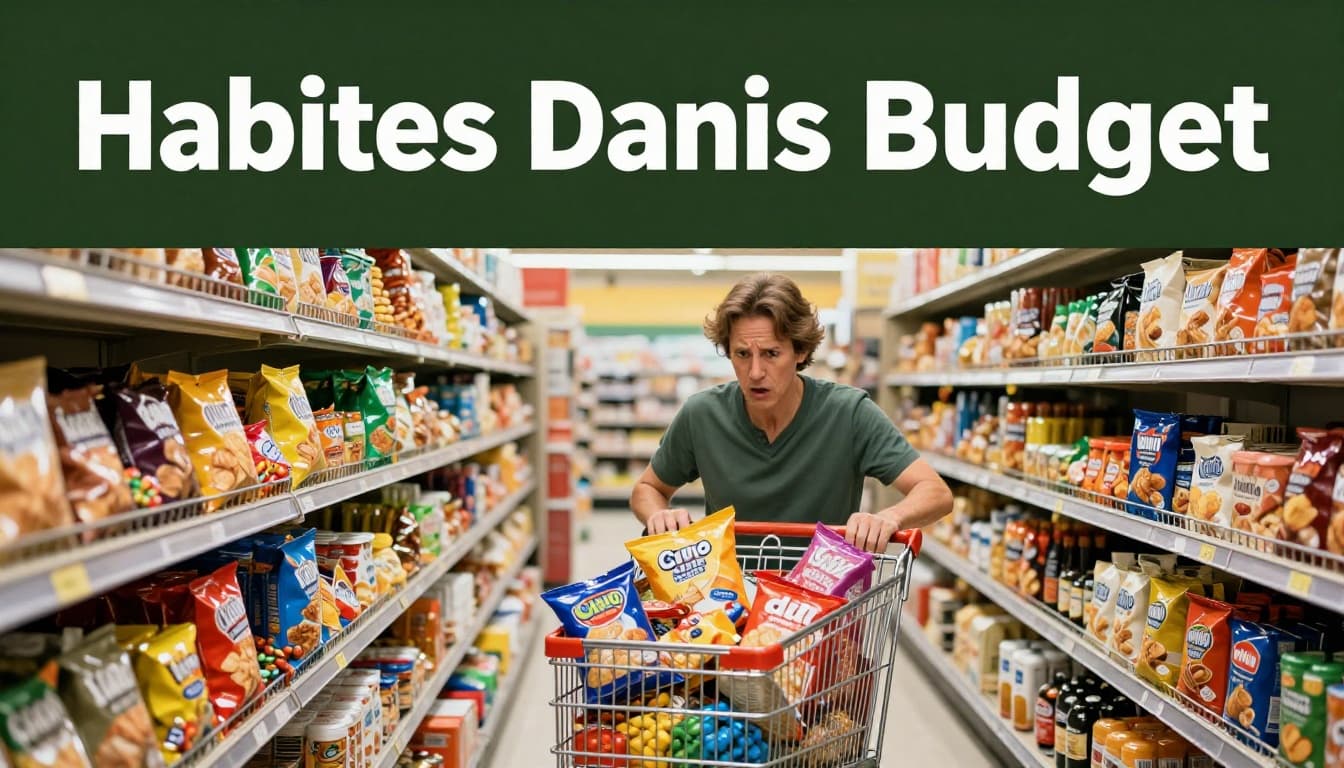
Skipping the Shopping List and Winging It Every Time
A shopping list is boring, but it works. In 2026 survey results, 68% of shoppers say they make lists, which means 32% still wing it. That split matters because unplanned carts tend to grow one item at a time.
Even small “quick grabs” can become a habit. Many shoppers report that 20% to 30% of overspending happens per trip when they don’t plan. That’s how a $100 run turns into $150 without anyone realizing when it happened.
Here’s why “winging it” costs more. Your brain treats each aisle like a fresh start. You see something shiny, you tell yourself you’ll use it, and then you keep adding. Meanwhile, your plan sits at home, waiting to be helpful.
Also, lists don’t just cut spending. They cut decision fatigue. When you’re tired, you buy faster. When you buy faster, you buy more.
If your planning fell apart recently, you’re not alone. Shopper behavior shifted because people feel stretched, and they shop in a more reactive way. The fix is simple, but it needs structure, and that’s where your grocery budget gets its power. More on that soon.
Impulse Buys and Too Many Trips That Stack Up Fast
Impulse buys are the easiest way to overspend. One reason is timing. You usually make impulse choices when you’re hungry, busy, or stressed. In 2026 findings, impulse spending is a top target for people who want to curb overspending.
Now add frequent trips. When you shop often, you face “just one more item” decisions more times each week. Plus, stores make it harder to leave with only essentials. Endcaps, snack displays, and “featured deals” pull you in.
Then there’s the eating-out swap, which can quietly explode costs. One quick meal can replace multiple planned grocery items. If you grab a $25 Wingstop run, then follow it with a $35 DoorDash order a week later, your “saving time” choice turns into extra food spending.
Unplanned buying also creates waste. If you buy snacks you didn’t plan, they don’t always get eaten. If food rots, you pay twice. Once at checkout, and again when it gets thrown out.
A strong reminder helps here: every extra trip raises the chances of a mistake. So the goal isn’t willpower. It’s reducing the moments you can mess up.
Mind Tricks and Store Plays That Push You to Spend More
Even if you have the best intentions, your brain gets pulled in two directions: comfort now and cost later. Stores know this. Ads know this. Your own stress knows this.
In 2026 shopper data, stress and health goals can drive higher spending. Some people feel unprepared before shopping. Others notice their debt rising from food. Meanwhile, health-focused buyers often chase better-for-you items, even when prices feel higher.
Also, shoppers still want “value,” not full-on brand loyalty. In one 2026 pattern, many people choose price over brands, yet their carts still fill with repeat favorites.
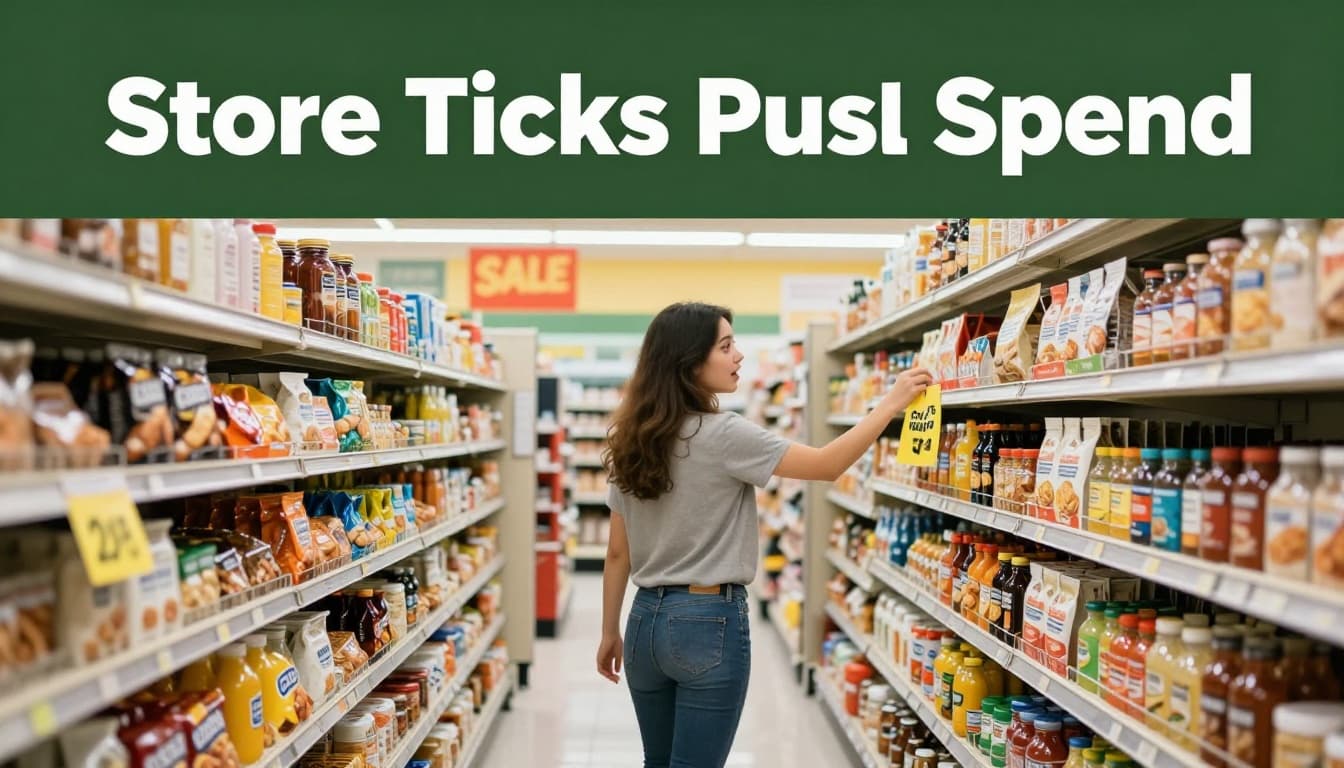
The Dopamine Rush and Stress That Fuels Extra Purchases
Think about how you shop after a hard day. You want relief. You want “something good.” Then a snack aisle becomes a fast solution to emotional tiredness.
That’s the dopamine problem. In 2026 surveys, people report impulse treats during stressful weeks. When money feels tight, the urge to reward yourself gets stronger. The twist is that the reward often becomes a bigger bill.
Some shoppers also use health goals as permission to spend more. If you’re trying to eat better, you might buy a premium protein bar, then another, then a “clean” snack mix. It can feel responsible. Yet your grocery budget still pays the price.
One more pressure point is financial mismatch. If you don’t have much of an emergency buffer, any surprise cost feels heavier. As a result, food spending can start to feel like the one bill you can “manage” by guessing. That guesswork becomes overspending.
If you want proof that price guides many grocery choices now, Zappi reporting shared through PR Newswire noted that price is a top driver, even as shoppers still crave taste and familiar picks (see Price overtakes taste and brand loyalty as top driver of grocery purchases).
How Grocery Stores Use Promotions and Layouts Against You
Grocery stores don’t place items randomly. They create friction for your budget.
First, promotions pull you off your plan. Sales signs and endcaps can make you feel like you found a win. Then you add “the deal item,” even if you already planned something else. In 2026 patterns, many shoppers also switch stores for better promos, which is smart, but it can also create extra trips and more temptation.
Next, the layout plays on your habits. You walk in, you grab basics, and then you hit the “fun aisle.” If snacks are near check-out, your cart gets one last little boost before you leave.
There’s also a sneaky brand shift. Some shoppers say brand loyalty dropped, and many now chase price or “value.” In practice, that can still cost more when shoppers trade brand-name items for higher-priced “value flavors,” or when they keep buying familiar comfort snacks.
Finally, basics get more expensive. When staples rise, your cart shrinks, so you compensate with extras. It’s like trying to balance a diet and a budget with the same calculator. When the calculator runs out, the cart gets messy.
Simple Steps to Slash Grocery Spending and Keep Your Wallet Happy
You don’t need a perfect system. You need a system that survives real life.
In 2026, more people are budgeting for food. One trend shows about 53% have a budget for 2026, up from earlier levels. Also, more shoppers say they prioritize food, which means your plan matters even more.
So, let’s make it practical. The goal is to stop overspending on groceries without skipping meals.
Build a Foolproof Budget and Meal Plan That Sticks
Start with a budget that’s tied to time. A weekly cap is easier to follow than a “someday” monthly number.
Try this approach: set a weekly grocery limit (many families use something like $250 per week per person, then adjust). Next, write meals for the week. Choose recipes you can repeat, because repetition lowers decision stress.
Then track spending right away. A quick note after checkout beats guessing later.
Here’s a simple example. If your household usually spends around $1,000 a month, your first goal can be $50 to $150 less. That might mean cutting snacks you didn’t plan and reducing one delivery or one extra trip.
If you want to make meal planning easier, consider pairing it with a list tool. NerdWallet rounds up options for grocery list apps, which can help you stick to a plan even on busy weeks (see Best grocery list apps in 2026).
One last note. Your budget should include a small “flex” item. That way, you don’t feel punished when you want something tasty.
Everyday Shopping Hacks for Immediate Wins
Small changes work best when they’re easy to repeat. These are the wins that make your next trip calmer and cheaper.
- Make the list before you leave. If you don’t, you’re basically shopping by mood.
- Shop less often, but buy smarter. More trips mean more chances for extras.
- Use store brands for staples. Rice, beans, pasta, and oatmeal often taste fine and cost less.
- Skip single-serve snack traps. Buy snack components in bulk, then portion at home.
- Plan “fridge meals” first. Use what you already have, then add only what’s missing.
Also, consider that fewer decisions can save more money than more “deals.” Instead of hunting for bargains all day, focus on a short, consistent set of essentials. Then let sales add variety when they fit your list.
If you feel tempted to “fix it later,” don’t. The best time to control grocery spending is before you enter the store.
Best Apps and Tools to Automate Your Savings
Apps help because they take savings out of your memory. You don’t have to remember every coupon.
One popular option for grocery cash back is Ibotta. It’s built for earning on real purchases, and it works with offers at many retailers (see Ibotta: Earn cash back on groceries). Many shoppers like it because you can check offers before you buy.
In addition to cash back, you can use tools for tracking and alerts. Budget apps can show you when you’re close to your grocery limit. Some people also use price scanning or deal tracking for key staples.
If you want to explore more cashback options, Visu Network publishes comparisons of cashback apps for groceries (see Best cashback apps for groceries 2026). Still, don’t chase every app. Pick one or two and use them consistently, otherwise you’ll spend more time setting up than saving.
The takeaway is this: automation makes your plan easier. And when your plan is easier, you follow it more often.
Conclusion: Stop Overspending by Changing the Pattern
Overspending on groceries usually comes from the same three sources: habits, mind tricks, and store pressure. When you wing it, chase stress rewards, and make extra trips, your bill grows without you noticing.
The fastest change is also the simplest. Build a weekly budget and a real shopping list, then shop fewer times and stick to essentials. If you want one extra boost, use a cashback tool like Ibotta so savings don’t depend on willpower.
Start small this week. Make one list before you shop. Track what you spend. Then watch how quickly your grocery budget gets easier to control.
What’s one habit you’ll break first, the list skipping or the extra trips?