Your grocery bill can feel like a treadmill. In March 2026, the average US weekly grocery spend is about $112 per person, even as food prices rise. Yet some families cut costs by around 40% while eating better by switching to a small list of budget staples.
Cheap nutritious foods here means items that usually cost under $2 per pound (or per unit) and pack real nutrition, like protein, fiber, vitamins, and minerals. The goal is simple: more energy, better fullness, and fewer “grab-and-go” purchases.
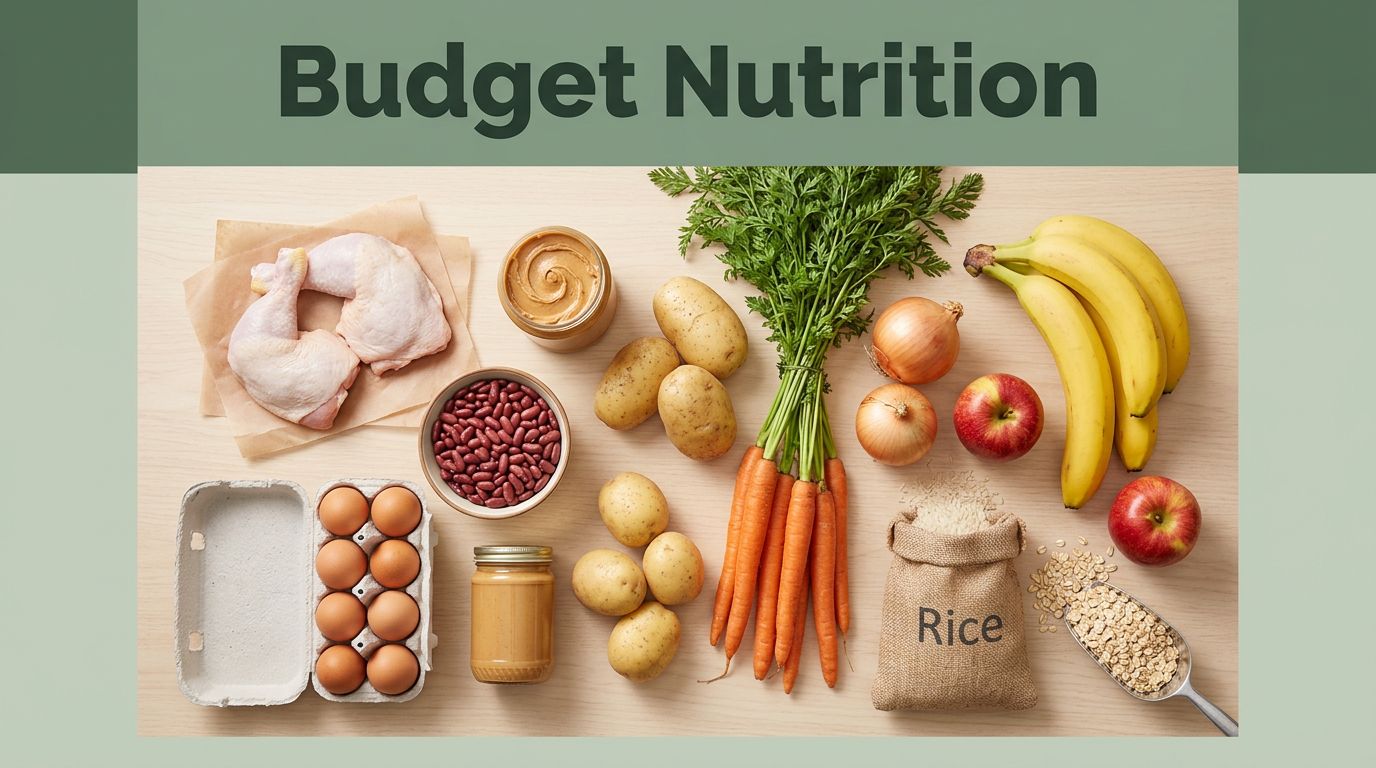
If you shop the right mix at Aldi or Walmart, you can build a weekly cart that covers proteins, produce, and grains. Think chicken thighs, eggs, beans, peanut butter, plus potatoes, carrots, onions, and budget fruit like bananas and apples. Add rice and oats, and you’ve got the base for most meals.
Below you’ll find the smartest “buy every week” picks, plus a sample $50 weekly plan, meal ideas, and shopping hacks that make healthy eating easier to stick with.
Spotting the Smartest Buys: What Makes Foods Both Cheap and Healthy
Cheap food can still be low-nutrition. So you need a quick way to spot winners before you hit checkout. Start with these simple criteria.
First, check the price per pound (or per unit). For March 2026, Aldi and Walmart estimates show many staples land in a tight range, often $0.50 to $2.00 per pound or unit for the items below. When the price is predictable, meal planning gets easier.
Next, look for nutrition per dollar. You want foods that carry the heavy hitters, like protein (10+ grams per serving for some options) and fiber (for gut health and fullness). Beans and oats win here often, because they stretch your meals.
Then think about waste. Foods you can freeze (chicken, broccoli) or store well (potatoes, onions) help you avoid throwing money away. In other words, shelf life is part of the nutrition plan.
Finally, prioritize versatility. If one ingredient shows up in three meals, you’ll use it up. If it only fits one recipe, it’s harder to keep spending low.
For extra context on how budget plans are calculated, the USDA’s Thrifty Food Plan is a helpful reference point for what “low-cost” can look like in real life: USDA Thrifty Food Plan August 2025.
Seasonal timing matters too. In March, look for better value on produce that stores well, like carrots, potatoes, onions, and sometimes citrus when stores rotate inventory.
One more money-saving thought: store brands usually match nutrition for less. So don’t pay more just for a familiar label.
The best budget foods aren’t the cheapest in theory, they’re the cheapest you actually use.
And when you skip heavily processed snacks, you protect both your budget and your health. Ultra-processed foods often cost more per serving, and they don’t keep you full as long.
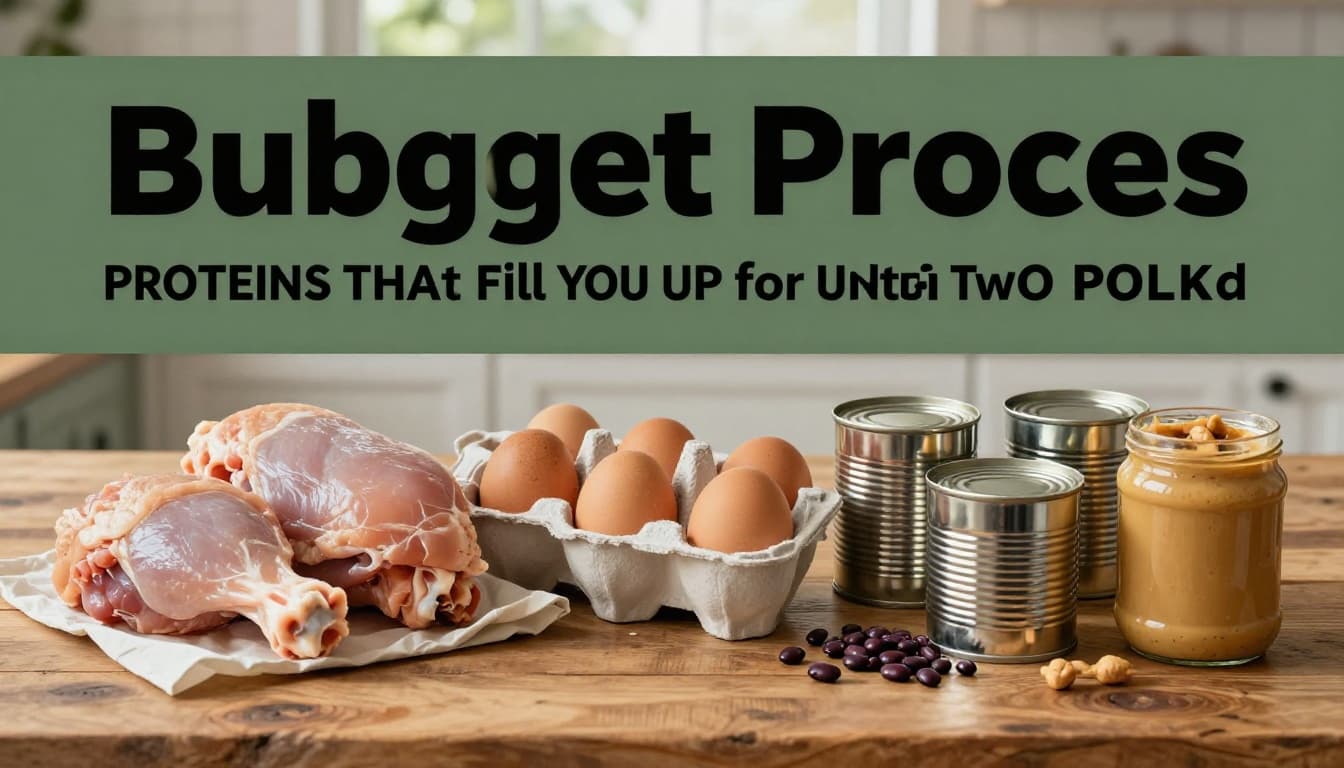
Proteins That Fill You Up for Under Two Bucks a Pound
Proteins do two jobs. They help with muscle repair, and they keep hunger from hitting early. If your plate has protein plus fiber, you’re less likely to snack in the afternoon.
Here are budget protein anchors based on March 2026 price estimates, with typical Aldi value often beating Walmart by about 10 to 20% on many basics.
- Chicken thighs: about $1.89 per pound at Aldi (bone-in).
- Eggs: about $2.49 per dozen at Aldi (about 20 cents each).
- Canned black beans: about $0.79 per can at Aldi.
- Peanut butter (16 oz): about $1.95 per jar at Aldi.
- Canned tuna or lentils: about $0.99 per can at Aldi.
Chicken Thighs: Flavorful Power on a Tight Budget
Chicken thighs cost less than breast, and they stay juicy. That matters because you’re not just buying protein, you’re buying satisfaction.
At about $1.89 per pound (Aldi), a family-size pack can still fit a budget. Buy a few pounds, cook most, then freeze portions for later.
A simple dinner idea: bake thighs with chopped onions and garlic. Then serve with potatoes or rice. You get comfort food without the comfort-food price.
Eggs: The Ultimate Versatile Protein Deal
Eggs are cheap per egg, and they’re easy to cook. At about $2.49 per dozen at Aldi, you can boil a batch for snacks and lunches.
Eggs also bring key nutrients. You’ll get complete protein plus B vitamins that support energy metabolism.
Try this pattern: scramble eggs with frozen broccoli or sautéed onions. Then add rice or a baked potato. It’s a complete meal, not a “side and hope” dinner.
Canned Beans and Tuna: No-Fuss Plant Powerhouses
Canned beans are one of the best “no planning” foods. Black beans at about $0.79 per can add fiber and plant protein fast.
Canned tuna (or lentils) gives you another protein option at about $0.99 per can. It works well in salads and rice bowls.
When you pick these, choose low-sodium if it’s available. You can always add flavor with lemon juice, garlic, or spices.
Peanut Butter: Creamy Nutrition That Lasts
Peanut butter works like a slow-burning snack. It has healthy fats and protein, so you feel full longer.
At about $1.95 per jar (16 oz), it’s a value buy. Stir it into oats, spread a thin layer on apple slices, or blend it into an oat smoothie.
Peanut butter helps fight the “I’m hungry again” loop.
Veggies and Fruits Loaded with Vitamins for Pennies
Produce is where your body gets most of its everyday support. And surprisingly, many produce items stay budget-friendly in March.
Key March 2026 price estimates (Aldi value):
- Potatoes: about $2.99 for a 5 lb bag (around $0.60 per pound)
- Carrots: about $1.49 for a 2 lb bag (around $0.75 per pound)
- Onions: about $0.99 per pound
- Frozen broccoli: about $1.29 per pound
- Bananas: about $0.59 per pound
- Apples: about $1.49 per pound
- Garlic bulb: about $0.59 per bulb
- Limes: about $0.79 per pair (use 1 to flavor water or bowls)
Fresh fruit and frozen vegetables both count, and frozen often prevents waste. It stays ready when your schedule doesn’t.
Potatoes and Carrots: Starchy Stars That Store Forever
Potatoes and carrots pull double duty. They’re filling, and they pair with every protein above.
Bake potatoes and top with beans (or eggs). For carrots, roast with onions or steam then add a squeeze of lime.
Buying in bags lowers waste risk. When you store well, you buy less “backup food.”
Onions, Garlic, and Broccoli: Flavor and Health Boosters
Onions are the secret sauce for budget cooking. Add them to soups, rice, beans, and chicken bake dishes.
Garlic is cheap, too. One bulb can flavor a week of meals.
Frozen broccoli is one of the easiest “always works” veggies. It steams fast, and it doesn’t go bad in the back of the fridge.
Bananas, Apples, and Limes: Sweet and Tangy Steals
Bananas are easy to pack and eat. Apples are portable and fill you up, especially with peanut butter.
Limes are small, but they change everything. A squeeze can make beans taste “fresh,” even when you’re eating leftovers.
For more budget-friendly inspiration on produce and fruit serving ideas, see: Healthy Foods Under $1 Per Serving | American Heart Association.
Grains That Turn Pennies into Hearty Meals All Week
Grains give you carbs for energy and a base for meals. The trick is to pick grains that stretch and don’t spike your budget.
Two standouts for March 2026 value:
- Rice: about $4.99 for a 5 lb bag at Aldi
- Old-fashioned oats (18 oz): about $2.49 per container at Aldi
Rice is simple. Oats are filling. Together, they cover breakfasts, lunches, and dinner sides.
Rice: The Fill-Your-Plate Staple Everyone Loves
Boil rice, then build on top. Add beans, tuna, or chicken. Add onions and broccoli for extra volume.
If you can, choose plain rice when it’s on sale. Use the saved money for more produce.
Oats: Morning Magic for Steady Energy
Oats are one of the best budget breakfasts because they keep you full. Cook oats with peanut butter or stir in sliced apples.
If you don’t want to cook every morning, portion oats into containers. Then add hot water, microwave, or cook once and reheat.
Your Weekly Plan: Shop Smart and Save Big Time
Ready for a realistic cart? Here’s a sample about-$50 weekly haul built from the budget staples above (Aldi estimates, prices can vary by location and sale day).
| Item | Example quantity | Est. Aldi cost |
|---|---|---|
| Chicken thighs | 4 lb | $7.56 |
| Eggs | 2 dozen | $4.98 |
| Canned black beans | 4 cans | $3.16 |
| Rice | 2 x 5 lb bags | $9.98 |
| Old-fashioned oats | 1 container (18 oz) | $2.49 |
| Potatoes | 1 x 5 lb bag | $2.99 |
| Carrots | 2 x 2 lb bags | $2.98 |
| Onions | 2 lb | $1.98 |
| Bananas | 2 lb | $1.18 |
| Apples | 3 lb | $4.47 |
| Frozen broccoli | 2 lb | $2.58 |
| Garlic | 1 bulb | $0.59 |
| Limes | 1 pair | $0.79 |
| Peanut butter | 1 jar (16 oz) | $1.95 |
| Tuna (or lentils) | 2 cans | $1.98 |
Total is about $50 before tax.
Now let’s turn that into meals without stress. Use this simple rhythm:
- Cook chicken once, freeze extra portions.
- Cook rice once, then reheat with beans and veggies.
- Boil eggs at the start of the week for grab-and-go protein.
- Snack on apples, bananas, and peanut butter.
Here are a few easy meal ideas:
- Rice bean bowls: beans plus onions, broccoli, lime juice
- Egg and veggie scramble: eggs with sautéed onions and broccoli
- Chicken potato bake: chopped potatoes, baked chicken, carrots on the side
- Oat + peanut butter breakfast: add banana slices or diced apples
Shopping hacks that actually help:
- Shop produce first, then build proteins around it.
- Freeze meat and chopped veggies as soon as you get home.
- Use digital coupons when offered, especially for eggs and produce.
- Check how prices compare between stores. One price-competition snapshot can help you plan, like this look at Aldi’s competitive pricing versus Walmart: Aldi food pantry prices competitive with Walmart.
Conclusion: Build a Budget That Still Feels Good
The hook from March 2026 is simple. Your grocery bill doesn’t have to rise the same way, if you anchor meals with cheap proteins, vitamin-rich produce, and steady grains.
When you buy foods that store well and freeze well, you waste less. Then your “healthy” cart becomes a “repeatable” cart.
Pick one item from each section today, then add it to your next list. What’s going into your cart first?