When food prices feel like they never stop climbing, grocery shopping can start to feel scary. In March 2026, about 68% of Americans say they struggle to afford food, but 91.7% still prioritize getting deals.
Think about what that looks like in real life. One family I know started planning one simple grocery trip per week and stopped grabbing “extra” items. By sticking to essentials and using store brands, they saved about $50 per week.
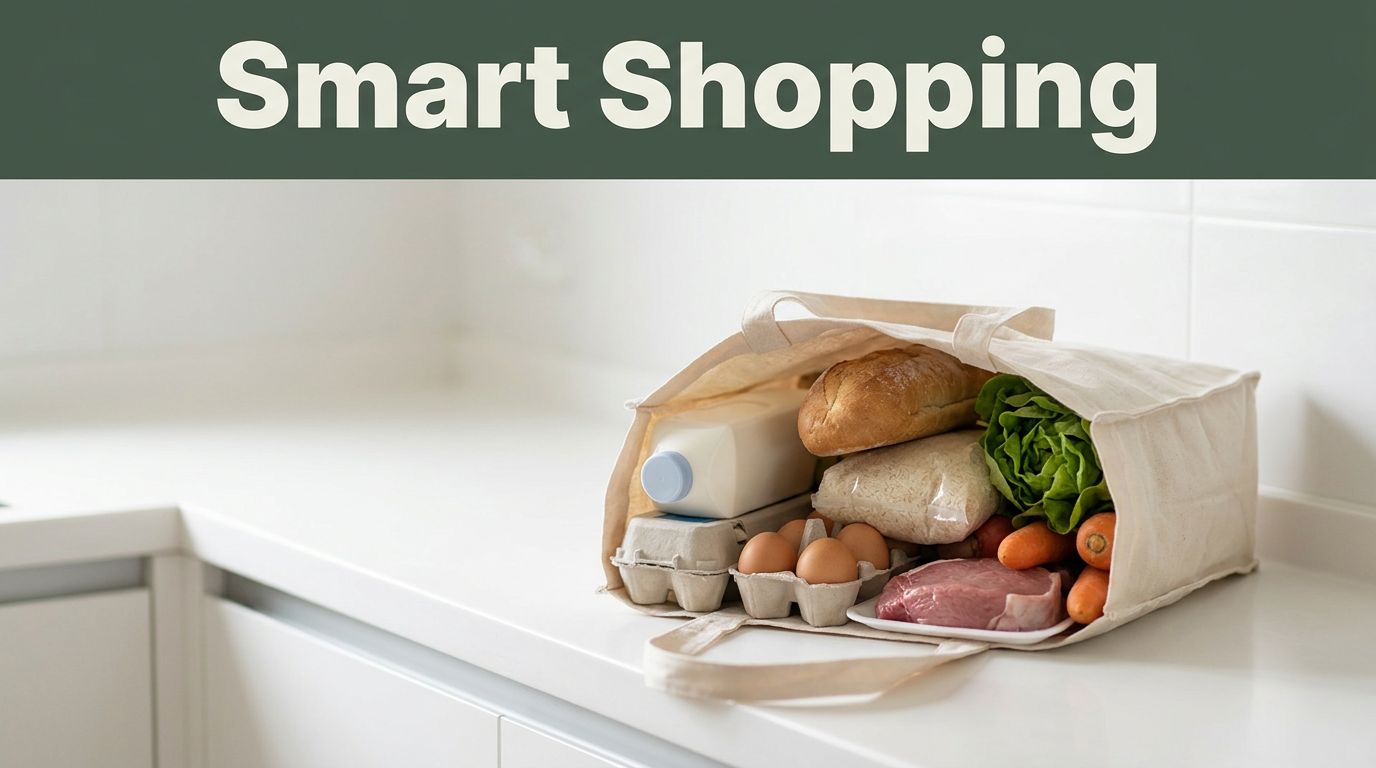
This guide shows you how to grocery shop on a budget without showing up hungry, forgetting milk, or leaving with a cart full of random snacks. You’ll build a list that covers basics like milk, eggs, bread, rice, veggies, and meat, then you’ll use weekly sales and smart in-store habits to fill gaps fast.
Next, you’ll learn how to make a list that prevents waste, how to shop around deals instead of instincts, and how to turn what you buy into meals that last all week.
Craft a Bulletproof Grocery List Focused on True Essentials
A budget list works like a seatbelt. You can still move, but you won’t fly into impulse buys.
Here’s the big idea: only include foods that do real work in your kitchen. That means proteins, grains, dairy, and produce you can use in more than one meal. Plus, you’ll skip a lot of “oops” moments.
Even though many people want to stay organized, only 68% of shoppers make lists (so 32% shop with little or no plan). If you’re in that 32%, your next win is simple. Write the list before you shop, even if it’s just on your phone.
Use this essentials framework:
- Proteins: eggs, cheap meat cuts (like thighs or roasts), beans
- Grains: rice and bread (or another cheap staple you actually eat)
- Dairy: milk (and you can add yogurt if it fits)
- Produce: potatoes, carrots, onions, plus whatever veggies you’ll use most
Produce matters here because 78% of shoppers want to eat more veggies. Start with affordable ones that hold up well. Potatoes, onions, and carrots are also easy base ingredients for soups, stir-fries, and sheet-pan meals.
If meal planning apps help you stay consistent, check out options that build grocery lists from your meals, like Best Meal Planning Apps 2026: Features That Actually Matter. Even a simple “plan then list” routine often beats guessing.
Below is a sample weekly list for a family of 4, with estimated totals. Your local prices may be higher or lower, so treat this as a target, not a promise.
Sample weekly essentials list (goal: about $100)
| Category | What to buy (examples) | Estimated cost |
|---|---|---|
| Proteins | 18 eggs, 2 to 3 lb cheap meat, 2 cans beans | $35 |
| Grains | 2 loaves bread, 2 lb rice | $16 |
| Dairy | 1 gallon milk | $7 |
| Produce | 5 lb potatoes, 2 bags carrots, 2 lb onions | $20 |
| Veggies (easy add-ons) | frozen broccoli or mixed veg | $12 |
| Staples | oil, seasonings, optional butter | $10 |
| Estimated weekly total | $100 |
The key is versatility. Each item should show up in at least two meals. If something only fits one recipe, it’s usually not a budget essential.
Spot Your Family’s Non-Negotiable Foods First
Start with your repeat winners. When you skip this step, your list gets stuck at “healthy ideas,” not real meals.
About 74% of shoppers buy familiar repeat items. So borrow that logic. Jot down 10 to 15 core foods your household already eats. Examples:
- Breakfast basics (eggs, milk, toast)
- One reliable lunch (rice bowls, bean meals)
- A go-to dinner protein (cheap meat cut, beans)
- A veggie rotation you’ll actually cook (potatoes, carrots, onions)
If kids are involved, include what they’ll tolerate without a fight. If you’re cooking for health goals, add one “boost” item you can afford (like extra frozen veg), not ten costly upgrades.
Here’s a quick method: write the list in three piles. Must-have, nice-to-have, and only if it’s on sale. That last pile is where you stop wasting money.
Tweak Your List with Weekly Sales and Store Brands
Once your essentials list is ready, you can lower the cost without lowering the quality you care about.
First, check store ads. If you shop at discount chains, weekly deal pages can help. For example, Dollar General Weekly Ad and Deals is a useful way to spot promos before you go.
Next, swap name brands for store brands when you can. In 2026, about 52% of shoppers trade down to generics for value, and many say the quality feels similar for everyday items. A milk swap can save meaningful money per unit, especially over repeated weeks.
Finally, plan for the “deal version” of your essentials. If your list says “milk,” you don’t wait until you’re in the aisle. You decide ahead of time: “I’ll buy store brand if it’s priced well.”
A simple rule keeps you safe: if it’s not on your list (or it’s not replacing something on your list), it doesn’t go in the cart.
Navigate the Store Like a Pro to Grab Deals Without Overspending
Most people shop in-person. In March 2026, 83.6% shop at a physical store, so you need a plan that works on real aisles.
Picture the store as three zones:
- Perimeter zone: milk, eggs, meat, produce
- Core aisle zone: rice, bread, beans, frozen veggies
- Deal zone: end caps, clearance, and weekly promos
Start with perimeter items first, because fresh categories can be missing or limited. Then move to the core aisles for your staples. Finally, only then check the deal zone.
Also, shop like a schedule, not a mood. Bulk deals help when you can store items safely. In 2026, 57% are more open to stocking up when prices drop.
One more reality check: 32% of shoppers still shop loosely for deals. That can work, but only if you pair it with a list that tells you what you’re allowed to buy.
Hunt Digital Coupons and Rewards Before You Go
Digital deals can turn your list into real savings. In 2026, about 68% of shoppers use digital coupons, so you’re not alone.
Do this before you leave:
- Open your store app (or grocery apps you already use)
- Clip coupons for items on your list
- Make sure your loyalty account is linked
- Check for “buy more, save more” promos (especially for staples)
- Save the receipt inside the app if cash-back or rebates apply
Then shop with the coupon plan in mind. If your list includes eggs and veggies, look for promos on those first. When deals match essentials, the cart stays steady.
If you want a broader list of free coupon apps, 7 of the Best Free Coupon Apps of 2026 is a helpful starting point. You can compare app types and pick one or two to avoid coupon overload.
Prioritize Frozen and Bulk for Meat and Produce Wins
Fresh food is great, but it can also go bad. Frozen helps you stretch your budget.
In 2026, around 45% plan more frozen meat and seafood because it’s often easier on the wallet. It also reduces waste if life gets busy.
For produce, frozen works too. Add frozen broccoli or mixed veggies when your “fresh budget” runs tight. You still get fiber and nutrients without the risk of leftover veggies turning into trash.
For bulk, focus on non-perishable staples that freeze well:
- Rice
- Potatoes (if you’re using them fast, or planning freezer-friendly meals)
- Beans
If a sale pops up, buy a bit extra, then freeze portions. You’re not stocking for fun. You’re buying insurance against future price spikes.
Time Your Shop for Maximum Discounts
You don’t need a perfect calendar. Still, timing helps.
Because store markdowns can happen mid-week, many shoppers get better deals by shopping then. Also, early morning can help if stores move fresh items and markdowns faster.
Try to avoid weekend browsing if you’re price sensitive. Weekends tend to be busy, and busy days lead to “quick grabs” instead of careful choices.
If you buy heavy items, mix online and in-store. Get bulky stuff online, then finish with produce and dairy in person. That cuts extra trips and helps you stick to essentials.
Turn Your Haul into Weeks of Meals That Stick to Budget
A list saves you at the store. Meal planning saves you after the receipt.
Here’s what to aim for: meals built around your staples. Rice bowls, potato soups, bean chili, and cheap meat stir-fries all use the same base ingredients. That’s how you cut waste without eating the same thing every night.
In 2026, more people are cooking at home to protect their budgets. 61% say they cook more at home, and that’s a big reason home meals stay cheaper.
Also, a practical health bonus matters. About 51% report better-for-you choices feel more doable when they plan and buy smart.
7-day meal plan using budget essentials
| Day | Breakfast | Lunch or dinner idea |
|---|---|---|
| Mon | Eggs + toast | Rice bowl with onions + carrots |
| Tue | Milk + toast | Bean chili (beans, onions) |
| Wed | Egg scramble | Meat stir-fry + frozen veg |
| Thu | Eggs | Potato soup (potatoes, carrots) |
| Fri | Toast + milk | Rice with beans and veggies |
| Sat | Eggs | Roast or stew meat + potatoes |
| Sun | Simple leftover meal | Use up frozen veg in bowls |
When you build meals this way, you’re not just feeding people. You’re using ingredients fully.
Batch Cook Staples to Make Groceries Last Longer
Batch cooking turns one cooking session into several easy meals.
Two solid options:
- Rice and beans: cook a big pot, then store portions for quick bowls
- Egg prep: make egg muffins or scramble extra eggs for fast breakfasts
Then remix. Same ingredients, new meal. That keeps dinners from feeling boring, and it keeps your spending from creeping up.
Dodge These Budget Busters for Smarter Future Shops
Even good lists can fail if you repeat the same mistakes.
The most common one is simple: skipping the list. In 2026, 32% shop with little or no plan, and that’s when impulse buys sneak in.
Another budget killer is brand loyalty. When budgets tighten, prices still rise unevenly. Food-at-home has been rising (and 2026 forecasts point to about 2.5% more growth overall). Beef, sweets, and drinks often feel worse, so keep your staples flexible.
Fixes that work:
- Buy what’s on sale, then cook it into your plan
- Check quality fast (look for freshness, not “perfect” packaging)
- Rotate stores if one consistently prices essentials better
- Use your list as a rule, not a suggestion
One more motivational point matters. When people stick with small changes, they report better confidence. About 89.7% say consistent habits help them feel less stressed about prices.
Conclusion
Your opening move is the one that makes everything easier: write a real grocery list with essentials you will actually cook.
Then shop with a store plan, hunt deals before you arrive, and build meals around your staples. That way, you don’t miss basics like milk and eggs, even when prices push higher.
This week, try it with one trip. Make your list, check coupons, and choose store brands when they match your needs. If you want more help, sign up for a newsletter with grocery deal alerts, and keep your savings steady month after month.
What’s the one essential you always forget when you shop without a list?