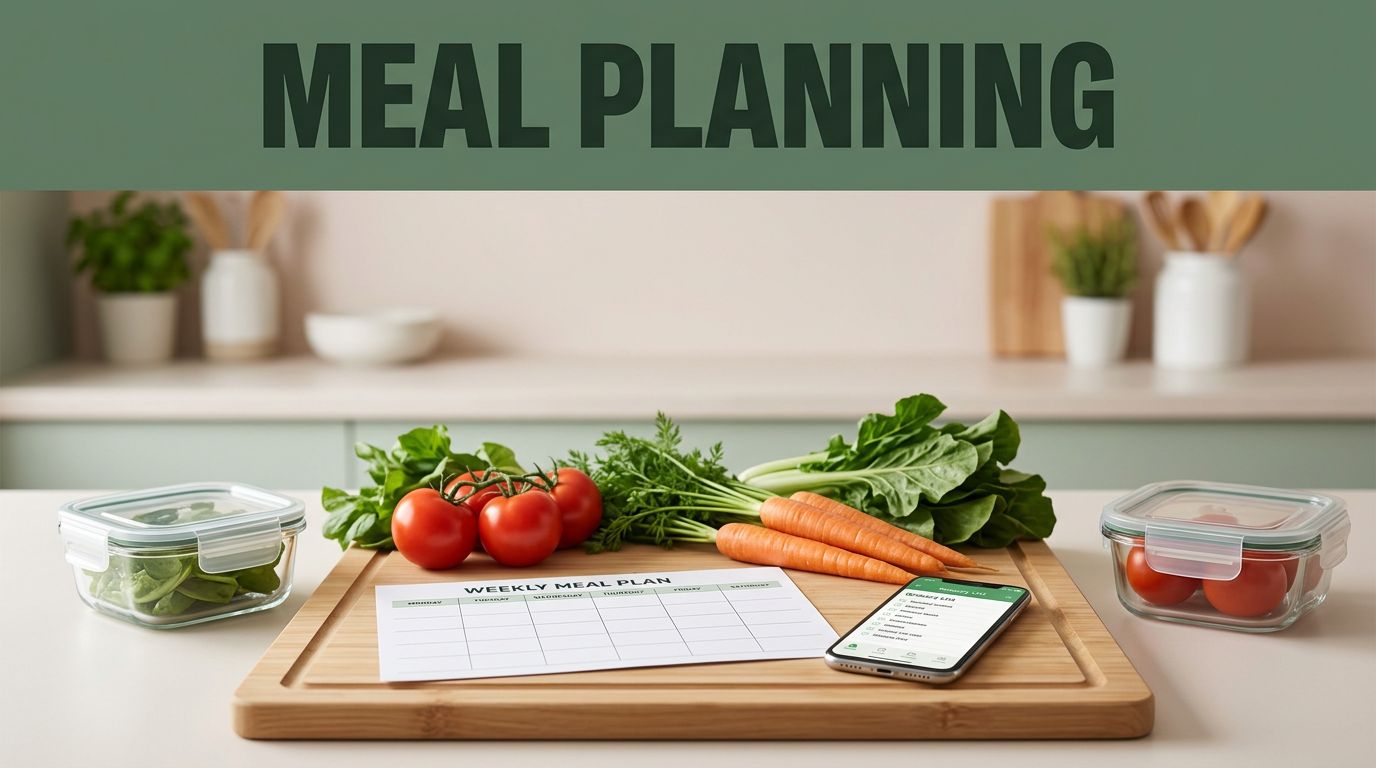
You might be throwing away more money than you think, since US households waste about $1,500 per year on food they toss. And when dinner goes off-plan, one unplanned takeout run for a family can easily top $50 (sometimes much more), because it hits your budget twice, first at checkout, then again when fridge items get forgotten.
If you’ve tried meal planning before, you probably felt the same frustration: you buy groceries with good intentions, yet leftovers sit too long, fresh items spoil, and random cravings pull you into impulse meals. Prices are high, so every mistake stings, and recent 2026 habits show people cutting waste by using leftovers sooner and buying fewer extra groceries. Still, food waste adds up fast, with the global economic loss from food waste forecast around $540 billion in 2026 across the supply chain.
Here’s the good news. With a simple weekly meal plan, you can stop guessing, reduce takeout nights, and turn one cook session into multiple meals you’ll actually eat. You’ll use a small framework built around two anchor dishes (so you always have a base), planned leftover meals (so nothing gets stranded), and a backup plan for the days life gets messy. After that, you’ll get a step-by-step guide for planning, smart shopping hacks to avoid overbuying, meal ideas that fit real schedules, and common pitfalls that quietly waste your budget.
Next, you’ll start with the fastest way to pick your two anchor dishes and map them to the week ahead.
Uncover the Real Cost of Skipping Meal Plans
Skipping meal plans feels harmless at first. You think you’ll “just see what sounds good” and keep going. Then the week starts charging you interest, because groceries get bought twice, meals get ordered last-minute, and food gets forgotten in the back of the fridge.
US households waste about $728 per person each year on food they do not eat, and that number comes from money spent at home on spoiled items and leftovers. When you skip a plan, you increase the odds of both waste types.
Spot Hidden Waste in Your Own Kitchen
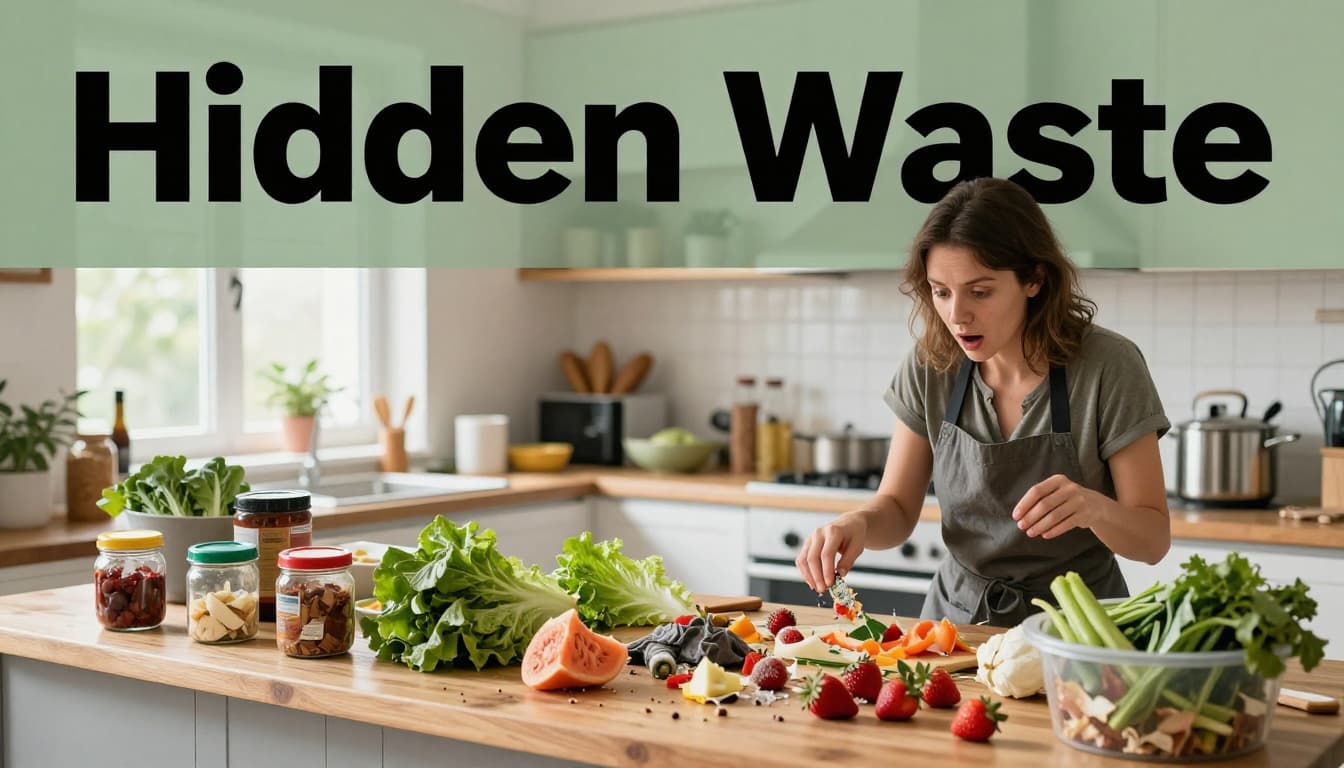
Start small, because most waste hides in plain sight. Grab two things: your fridge drawers and your trash can bag. Then do a quick audit like you are running detective work, not judging yourself.
Look for common culprits:
- Wilted veggies that got washed but not cooked
- Half-eaten packs (cheese, deli meat, berries) without a plan for the rest
- Old leftovers with no label or date, so nobody trusts them
- “I’ll use it soon” sauces that outlast the meal they were meant for
After that, track one full week. Write down what you throw out and estimate the cost. This works because food waste is not only “organic matter,” it is grocery money turned into landfill. If you want a simple starting point, you can also use a food waste cost calculator from QuietMoneyLeaks.
Here is a real example from my kitchen: I once tossed a container of spinach and half a bag of shredded carrots. I felt annoyed, but I also felt surprised, because they looked “fine.” Still, both were slimy enough to make me cancel the meal I planned in my head. When I added it up, it was basically a mini grocery order I paid for and never ate.
Now flip the habit. Use staples on purpose, so money stays in your pantry:
- Canned beans become chili, tacos, salads, or a fast side
- Frozen veggies stay ready for stir-fries and sheet-pan meals
- Broth and pasta rescue meals when fresh food runs short
If you pair those with your weekly shopping plan, you stop buying replacements. That is how skipping a plan turns into extra purchases plus waste.
See How Planning Saves Time and Sanity Too
Meal planning also saves your brain, not just your budget. When you know what is for dinner, you stop making decisions while you are tired. It’s like taking keys out of your pocket before you reach the door. You still move through the day, but you waste less time fumbling.
Planning cuts stress in three practical ways:
- Less decision fatigue: you buy once, cook once, and move on
- Fewer “what now?” moments: leftovers become the easy answer
- Better timing with busy nights: you can schedule quick meals for late days
Think about how your week actually goes. Maybe Tuesday is hectic and Friday is low-energy. When you plan around that, you avoid the cycle where cravings push you into takeout.
Also, planning helps you reuse ingredients instead of starting over. Leftovers stop being “the thing you should eat” and become a real part of dinner. For example, one cook session can feed 5 to 7 meals when you treat leftovers as planned meals, not leftovers you hope will disappear.
To keep meals simple and balanced, use a repeating formula:
- Vegetables or fruit (whatever is fresh, frozen, or close to using)
- Protein (chicken, beans, eggs, tofu, fish)
- Complex carbs (rice, pasta, potatoes, whole grains)
- Healthy fats (olive oil, avocado, nuts, seeds)
When your plan follows that pattern, you do not need fancy cooking to eat well. You just need a list, a few anchor recipes, and a backup option for chaotic days.
In fact, meal planning works because it reduces impulse buys and last-minute orders. If you want a quick money-focused overview, this guide on saving money with meal planning breaks down the same idea in practical terms: plan first, then shop with less stress.
Build Your Weekly Meal Plan Step by Step
A weekly meal plan should feel like a map, not a mystery novel. Once you pick your anchors and plan how leftovers move through the week, food waste drops because decisions get made early.
Here’s the simple framework I use: cook 2 anchor dishes once, turn them into 3 to 4 leftover meals, and keep 1 backup dinner for hectic nights. When you follow it, your grocery list stays tight and your fridge stops turning into a science project.
-
Review your week first
Skim your calendar and spot the days that are easy, moderate, or chaotic. Then decide which anchor dishes fit the easy nights. As a rule, save the more hands-on cooking for days you can breathe. -
Pick 2 anchor meals that do double duty
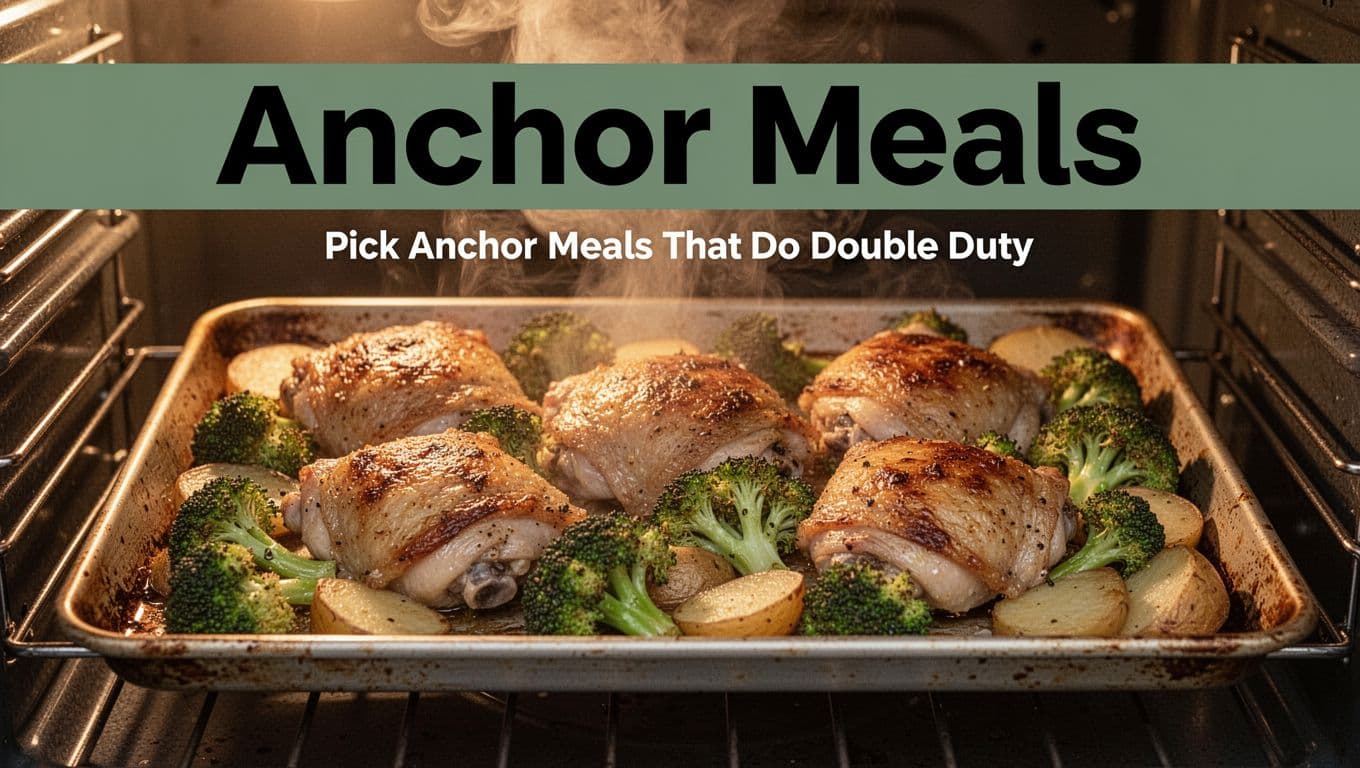
Choose recipes that roast, simmer, or bake well. They should also pair with cheap, filling sides. For example, sheet-pan proteins with veggies let you cook once and get multiple outcomes.One solid option: try a sheet-pan chicken thighs with broccoli style recipe, then plan different sauces and toppings for the next days. If you want a starting point, use sheet pan chicken thighs with broccoli as your anchor model.
-
Map leftovers into new meals
Leftovers should not feel like punishment. Instead, treat them like building blocks. A little seasoning change makes a big difference, and so does switching the format (bowl, taco, wrap, pasta).For example, leftover chicken can become tacos one night and rice bowls the next. If you want inspiration, leftover legend chicken tacos shows how easily leftovers can turn into “fresh” again.
-
Stock pantry staples so meals finish themselves
Keep a few basics on hand so you can adapt fast. Think frozen veggies, canned beans, grains, broth, tortillas, and a couple sauces. This way, you are not stuck if one ingredient runs out.
To make this concrete, here’s an example week you can copy.
| Day | Cook / Use | Meal (What you eat) | How it uses leftovers |
|---|---|---|---|
| Mon | Cook once | Sheet-pan chicken thighs + roasted broccoli | Extra chicken becomes “mix-ins” later |
| Tue | Leftover dinner | Chicken rice bowls | Use chicken, broccoli, and cooked grains |
| Wed | Leftover dinner | Chicken tacos (new sauce) | Swap in tortillas, salsa, lime, and crunch |
| Thu | Backup dinner | Frozen veggie + beans soup | Works if the week goes sideways |
| Fri | Leftover dinner | Chicken sliders or wraps | Change the flavor with a simple mayo or BBQ-style sauce |
| Sat | Optional reset | Pantry pasta or grain bowls | Use what remains, not what you wish you had |
Most importantly, label and date leftovers. Put them in clear containers, add a quick label, and keep portions visible. When it’s organized, it gets eaten.
Leftovers reduce waste only if you can find them and trust them. Labeling turns “maybe later” into “planned tonight.”
With that foundation set, you can move into how to design anchor meals and make repurposed dinners taste exciting.
Pick Anchor Meals That Do Double Duty
Anchor meals are your weekly “foundation blocks.” They should be easy to cook in one session and flexible enough to become multiple dinners. That’s how you stop buying extra ingredients and start getting more meals from the same grocery trip.
Start with one sheet-pan option and one stovetop or oven option. This gives your week balance and prevents boredom. Sheet-pan meals are great because you can roast vegetables with the protein. Meanwhile, a pot meal (like a meat sauce or chili base) builds fast leftovers.
Here’s what makes an anchor dish work for budget meals:
- It tolerates reheating without turning dry or sad.
- It pairs with multiple flavors, like lemon, garlic, BBQ, or salsa.
- It has “secondary use” parts, like roasted veggies you can chop for bowls.
- It creates a repeatable meal formula, so you don’t reinvent dinner every day.
A simple meal formula you can reuse looks like this:
- Vegetables or fruit (fresh, frozen, or already roasted)
- Protein (chicken, beans, eggs, tofu)
- Carb (rice, pasta, tortillas, potatoes)
- Flavor (one sauce plus a crunchy topping)
When you follow that formula, you can build cheap, filling options fast. For example, sheet-pan chicken thighs can become:
- rice bowls (with a sauce and quick pickles),
- tacos (with tortillas and fresh toppings),
- sliders or wraps (with a thicker sauce).
As you plan, think like a prep cook, not a magician. If you know you will have extra chicken and roasted broccoli, plan the next meals around those items, not around some random new craving.
Turn Leftovers into Fresh Tasting Dinners
Leftovers should feel like a promotion, not a fallback. If dinner tastes new, you’ll actually eat it, and that cuts food waste at the source. The trick is to change one or two big things each time: the seasoning, the sauce, or the format.
For example, leftover chicken can go three different directions without buying more ingredients:
- Meat sauce for pasta
Shred or chop leftover chicken, then simmer it into a quick tomato sauce. Add herbs and a pinch of sugar if needed. Then toss with pasta or spiral noodles. - Sliders or wraps
Combine chicken with a creamy or tangy sauce. Add lettuce, pickles, or slaw for crunch. Serve it in buns or tortillas. - Breakfast tacos
Use leftover chicken with eggs or scramble-style filling. Add cheese, salsa, and hot sauce. Breakfast tacos taste special even on weeknights.
If you want your leftovers to stay interesting, keep a “flavor rotation” list. Each anchor dish should spawn meals with different flavor profiles, not the same taste repeated four nights in a row.
A simple rotation that works well:
- Mexican-style: salsa, lime, cumin, cilantro
- Italian-style: garlic, tomato, basil, Parmesan
- Asian-style: soy sauce, ginger, sesame, garlic chili sauce
- Smoky-sweet: BBQ sauce, honey, paprika
Also, switch the format when you can. A bowl feels different from a taco, even if the chicken is the same. Think of leftovers like music samples. The notes stay similar, but the remix makes it feel fresh.
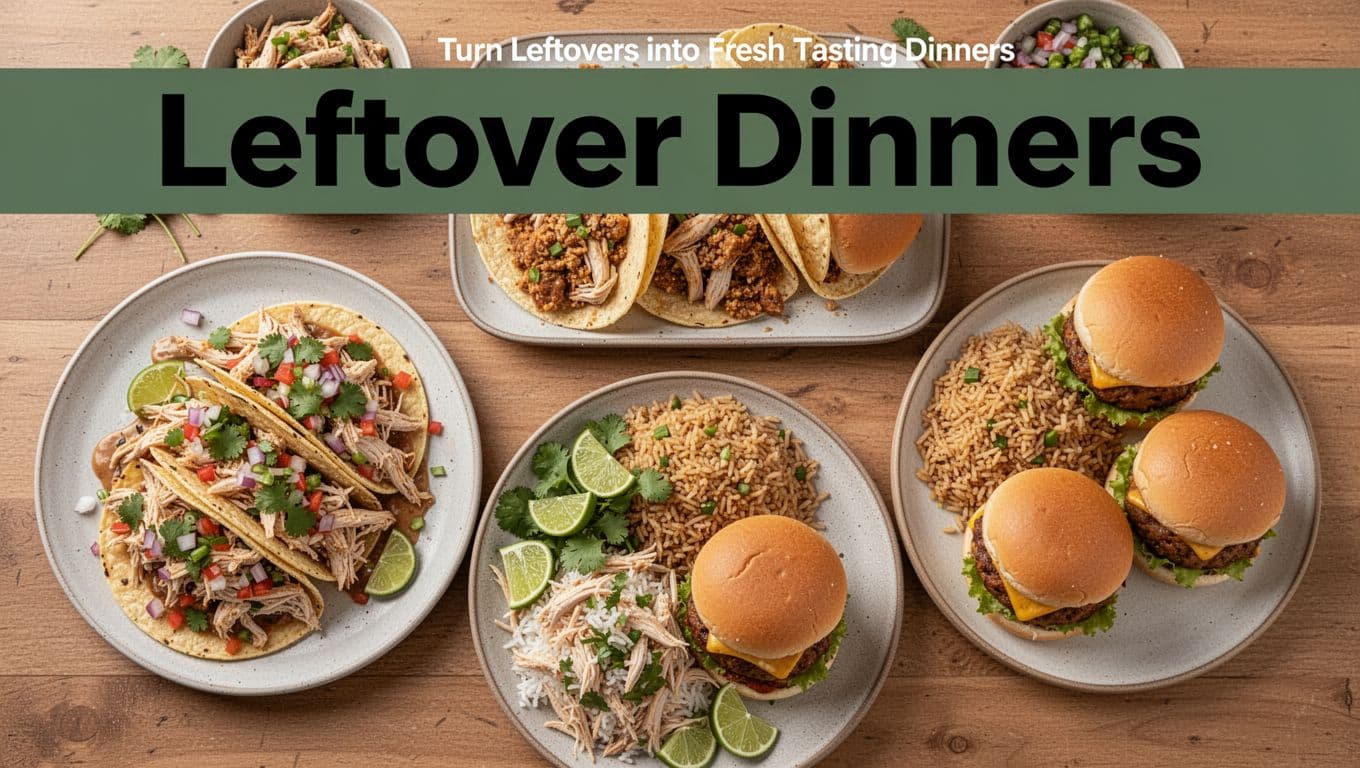
Finally, don’t wait too long to use leftovers. When you plan them into Tuesday, Wednesday, and Friday, they get eaten on time. Label containers, store them front-and-center, and treat leftovers like scheduled meals, not leftovers from last week.
Shop Once a Week Like a Pro to Lock in Savings
The fastest way to stop food waste is simple: shop one day, once a week, with a grocery list that mirrors your meal plan. When you shop “from hunger,” you buy what looks good right now. When you shop from a list, you buy what you will actually eat.
Also, think of your grocery list as a seatbelt. It does not make driving fun, but it keeps you from getting wrecked by impulse buys, extra trips, and spoiled food. That means you build the list from your plan first, then you fill in gaps only after you check what you already own.
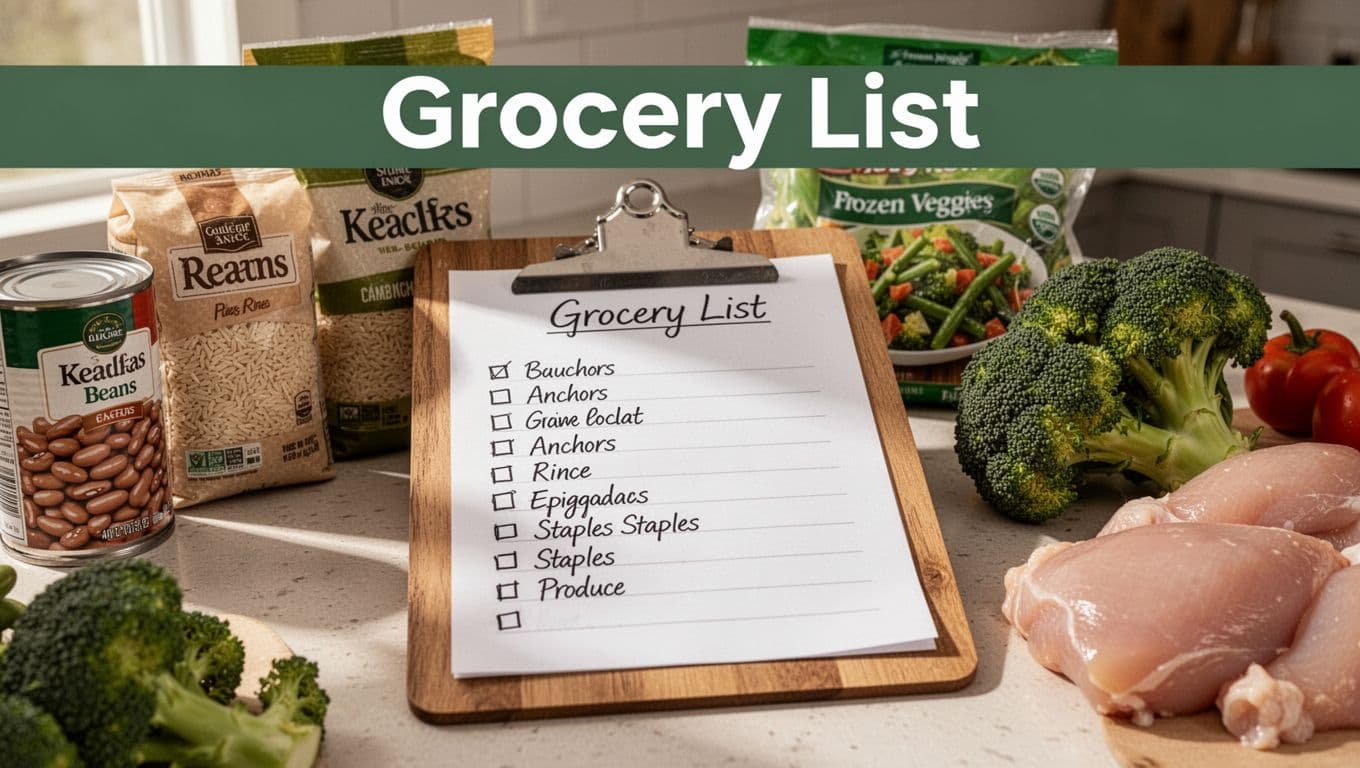
Craft a Bulletproof Grocery List
A bulletproof list has three parts: anchors, leftovers add-ons, and staples. If you stick to that order, you avoid the common trap of buying random items that do not fit any meal. And before you write a single thing, do one quick check of your pantry and fridge.
Start with this mindset: meal planning gives you the menu, and your list simply follows it. That’s how you keep everything tight.
First, check what you already have. Open your fridge, freezer, and pantry, then look for:
- Anything you already chopped or partially used
- Packets and sauces you forgot were there
- “Close to using up” produce in the back
- Leftovers you need to work into the week
Next, build the list from your weekly plan. Use your two anchor dishes as the core, then add what makes leftovers work. After that, fill in staples so your meals can “finish themselves” even if life changes.
Here’s a reliable way to structure the list.
Anchors (base ingredients for the meals you cook once):
- Protein for your anchor dishes (chicken, beans, eggs, or tofu)
- The main vegetables you want to roast or simmer
- One carb base (rice, pasta, or potatoes)
- One sauce direction (like salsa-style, marinara-style, or garlic-lemon)
Leftovers add-ons (items that change the leftovers into new meals): Leftovers should feel like a remix, not a replay. Add the “switches” that create a new dinner:
- Toppings for bowls (shredded cheese, cilantro, quick pickles)
- Wrap and taco items (tortillas, salsa, lime)
- Crunch for texture (cabbage slaw mix, nuts, toasted breadcrumbs)
- Extra flavor boosters (broth, garlic, hot sauce, vinegar)
This is where most people overspend because they try to start from scratch. Your plan already did the work. You just need the add-ons that make it taste new.
Staples (buy only what you will use across multiple dinners): Staples are your budget shield. Choose ones that work with several recipes:
- Frozen veggies instead of extra fresh produce
- Canned beans and canned tomatoes
- Rice, pasta, oats, or tortillas
- Broth (chicken or veggie) for quick soups and sauces
- Oil, vinegar, salt, pepper, and a few favorite sauces
If you want a quick example using the anchor framework, here’s what your list might look like:
Example anchor-based shopping list (1 week, low waste):
- Proteins: chicken thighs (for roasting), canned beans (for chili or bowls)
- Produce: broccoli (anchor), plus one fresh item you will actually eat (like lettuce or berries)
- Frozen upgrade: frozen mixed vegetables (for stir-fries and backup meals)
- Carbs: rice + tortillas (for bowls, tacos, and wraps)
- Pantry sauces: salsa + canned tomatoes + broth
- Leftover add-ons: lime, shredded cheese, yogurt or sour cream (optional), hot sauce
Now comes the “buy right” part. For savings, prefer frozen over fresh when possible. Frozen fruits and vegetables keep longer and reduce the chance of tossing food that turned slimy or brown. When you do buy fresh, choose items you already planned to eat within the week.
Also, keep your shopping route simple. You want to avoid aisles that train your brain to buy more. After all, temptations are just price tags with good lighting.
If you need a guide to keep your weekly plan and list aligned, you can use a weekly meal plan template with grocery list as a starting point. Treat it like a form you fill in, not a rigid rule.
Finally, build in one “no-thought” meal using staples. That way, if you get home late, you still eat something planned, not something expensive.
Your list should be boring on purpose. That’s how it stays accurate and cost-friendly.
Quick Wins for Busy Weeknights
When the week gets loud, your dinner plan needs to stay quiet and steady. The secret is using prepped anchors you already cooked (or partially prepped) earlier in the day or week. Think of anchors like reusable building blocks, then you assemble a full meal in minutes, not hours.
Also, speed does not have to mean “boring.” With the right shortcuts, dinner still tastes like you cared. It’s like having a shortcut map in your pocket. You know where you are going, even when the day feels messy.
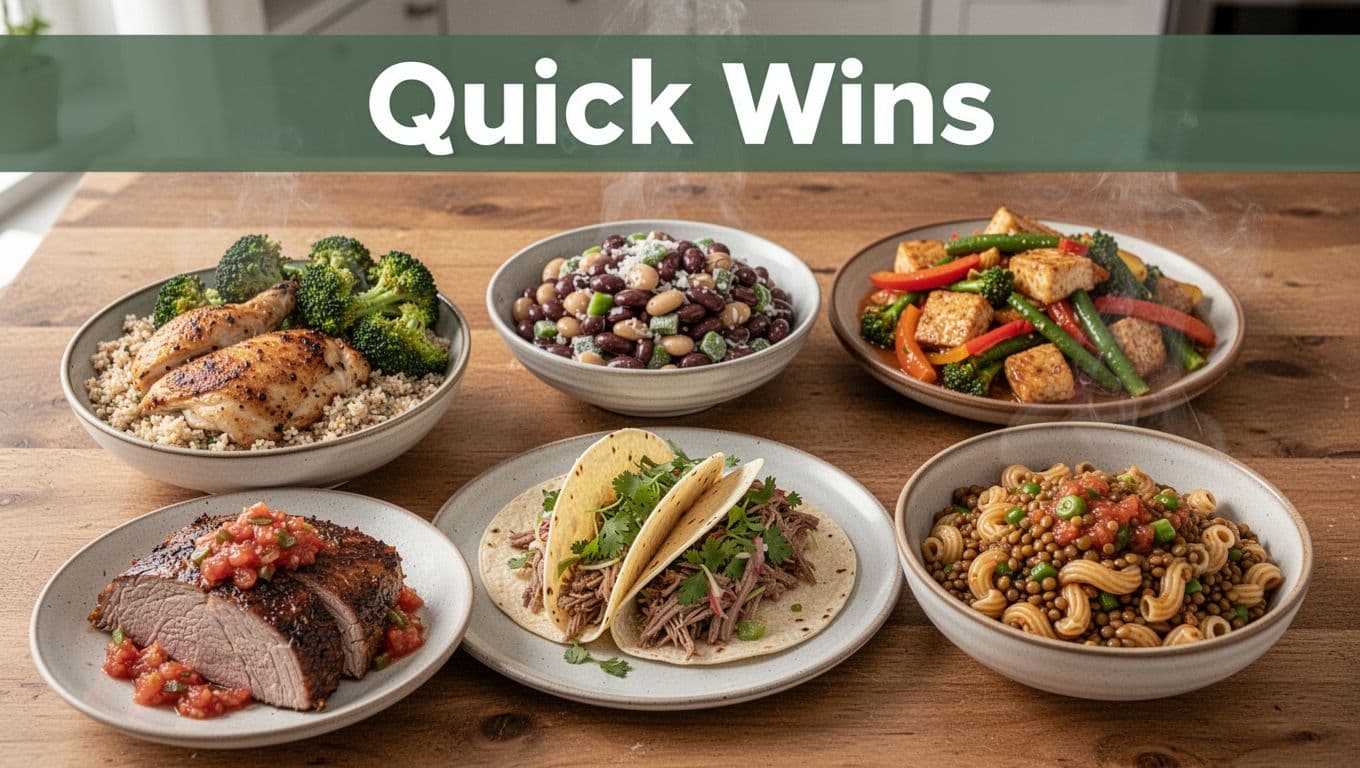
1) Grain Bowls That Turn Leftovers into a “New” Dinner
Grain bowls are one of the easiest ways to feed a family for days. Start with a cheap base, like rice or cooked quinoa, then pile on whatever you have left. Because the base is already “done,” you only cook or heat one thing at a time.
Try this simple formula:
- Base: cooked rice (or microwaved brown rice)
- Protein: leftover chicken, beans, or ground meat
- Veg: frozen broccoli or a handful of chopped salad greens
- Sauce: salsa, yogurt-lime, or soy sauce plus vinegar
If you want a 5-ingredient limit, go this route:
- Cooked rice
- Leftover protein
- Frozen veggies
- Salsa
- Cheese or a spoon of yogurt
Then heat, build, and eat. Your family gets a “fresh bowl,” but you are actually using what would have sat in the fridge.
This matters for waste reduction because leftover protein goes from “maybe later” to “planned tonight.” In short, bowls help you finish food before it slips past its best day.
2) Bean Salads That Stretch Canned Food Across the Week
Bean salads work because they taste better after a short rest. Plus, they use ingredients that don’t wilt overnight. Canned beans also make it easy to follow through when the week is busy.
Use this simple plan:
- Drain and rinse canned beans
- Add a quick chopped veg (cucumber, bell pepper, or shredded cabbage)
- Toss with a store-bought vinaigrette or oil plus vinegar
- Finish with salt, pepper, and something creamy if you like (yogurt or a little feta)
Keep it family-friendly and budget-smart:
- Use two cans of beans for a big batch
- Serve it as a side, then reuse it as a topping
One day becomes many meals. For example, bean salad makes a great lunch, and it becomes a fast dinner when you add:
- tortillas (turn it into tacos)
- microwaved rice (turn it into a bowl)
- roasted chicken leftovers (turn it into a protein plate)
If you want a good mindset for avoiding waste, think about how long ingredients last. Beans stay ready, while fresh greens need a plan. Bean salad gives you that plan without stress.
For more variety in meal ideas, you can borrow the “mix and remix” approach from Family Food on the Table’s 15-minute dinners, then swap in what you already have.
3) Stir-Fries Built on Frozen Veg, Not Fresh Hope
Stir-fry is the fastest way to use up small leftovers. Even better, frozen vegetables make the cook time predictable. They also keep longer than most produce, so they rescue you when you forget to shop.
Here’s the trick: pick your sauce first, then add your leftovers. Most stir-fries can stay under five ingredients if you count sauce as one.
A simple 5-ingredient stir-fry:
- Frozen stir-fry vegetables
- Leftover cooked chicken, beef, or tofu
- Soy sauce (or teriyaki)
- Garlic powder or fresh garlic (choose one)
- Cooked rice (for serving)
Heat a pan, add veggies, stir in protein, then pour on sauce. After that, serve over rice and call it dinner.
This reduces waste because you are not relying on one fresh veggie that might go bad. You are using a dependable base that stays good in the freezer.
If you want a one-pan style idea that fits leftover chicken and saves cleanup, sheet-pan recipes like Make These Sheet Pan Tacos with Whatever Leftovers You’ve Got can also inspire quick assembly later in the week.
4) Sheet-Pan Tacos That Use “Almost-There” Roasts
Sheet-pan dinners make weeknights easier because you do one roast and multiple servings. Then you slice, warm, and assemble tacos in minutes. Even better, the same roast can power two different nights if you change the toppings.
Start with:
- a sheet-pan protein (leftover roast, rotisserie chicken, or sausage)
- a tray of vegetables (frozen peppers and onions work fine)
- tortillas
Keep it tight and budget friendly with a 5-ingredient version:
- Leftover roast or rotisserie chicken
- Frozen peppers and onions
- Tortillas
- Salsa
- Shredded cheese (or skip cheese if you want it cheaper)
Roast the peppers and onions, reheat the meat, then assemble. Your “taco filling” tastes intentional, not recycled.
This is waste reduction in action. Tacos give leftover meat a clear job. Instead of guessing what to do with it, you use it immediately and move on.
5) Lentil Pasta When You Need Cheap, Filling Days
Lentil pasta is a quiet win for families. It’s hearty, budget-friendly, and it stretches. Plus, it works when you have leftover sauce or cooked lentils sitting around.
Here’s an easy version with five ingredients or fewer:
- Lentil pasta (or regular pasta)
- Jarred marinara or canned crushed tomatoes
- Cooked lentils (canned is fine)
- Olive oil (optional, but helps)
- Parmesan or nutritional yeast (optional)
Warm the sauce, stir in lentils, then toss with cooked pasta. If your family wants more flavor, add garlic powder or dried Italian seasoning, but keep it simple.
This meal helps food waste because:
- lentils last longer than many proteins
- pasta is forgiving for meal timing
- leftovers reheat well without getting dry fast
If you need more anchor ideas for one-pan dinners, this list of 20 sheet pan dinners for easy weeknights can spark your anchor planning, especially when you want repeats that use up veggies.
6) The “5-Minute Leftover Plate” for the Nights You Just Cannot
Sometimes, you cannot cook. That’s normal. Still, you can eat planned food instead of ordering in.
Build a leftover plate using the same core ingredients each time:
- leftover protein (or beans)
- leftover or fast veggies (frozen works)
- a carb (rice, tortillas, or pasta)
- a sauce (salsa, soy sauce, or salad dressing)
- something crunchy (chips, breadcrumbs, or nuts)
You are basically running a “leftover assembly line.” It’s fast, and it keeps waste low because everything gets eaten while it is still good.
If you have prepped anchors, this night becomes easy:
- reheat protein
- steam veggies
- warm carbs
- add sauce and crunch
That’s it. No wasted food, and your family still gets a real dinner.
7) Quick Sheet-Pan Dinners That Feed the Whole Week
Sheet-pan dinners are your best friend when you want family-approved meals with minimal work. They also give you a natural anchor, because the roast part stays useful for leftovers.
Choose one sheet-pan base for the week, then reuse it:
- Protein: chicken thighs, sausage, or tofu
- Veg: broccoli, peppers, or a frozen mix
- Carb: cook once and serve later (rice or potatoes)
To keep it simple, look for recipes that roast everything together. Then repurpose leftovers into tacos, bowls, or wraps. For example, Classic Sheet Pan Sausage and Peppers With Potatoes shows how one tray can create multiple meals with the same flavors.
When you plan like this, leftovers stop being a problem. They become the setup for tomorrow’s dinner. And that is how you feed your family for days without spending like you are starting over every night.
Dodge Common Traps That Ruin Meal Plans
Meal plans fail for predictable reasons. Usually, it’s not your cooking skills, it’s the habits around planning, shopping, and storage. When those habits wobble, food waste shows up fast, and so does the budget sting.
This section hits the most common traps, then gives you a fix you can use right away. Think of it like tightening screws on a wobbly shelf. Once it stops moving, your week feels steadier.
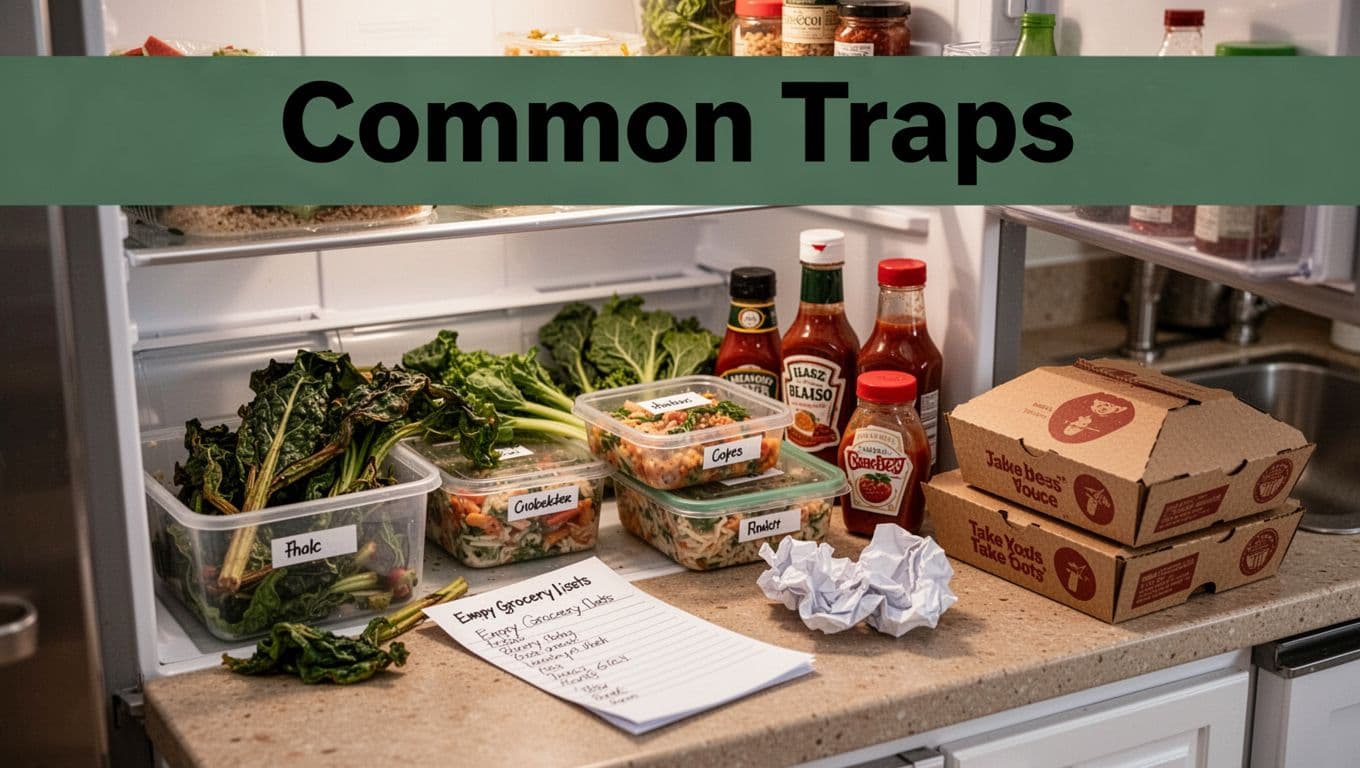
1) No Plan At All (Then You Shop While Hungry)
If you skip a plan, you end up shopping based on cravings. Food doesn’t spoil because you hate it, it spoils because you stopped deciding in advance.
When hunger drives the cart, you buy extra “just in case” items. Later, those items sit behind what you actually ate, then go bad. That’s how one hungry trip turns into multiple waste problems.
Here’s the fix:
- Write your two anchor meals first, then stop.
- Add leftover “remix” meals by moving what you already cooked.
- Build your grocery list from the plan, not from what looks good today.
If you want a quick reminder of the most frequent planning mistakes, this guide on common weekly meal planning errors can help you spot the pattern fast.
Framework that prevents it: anchors plus a list. When your week already has dinner mapped, hunger can’t pull you off course.
2) Hungry Shopping Adds “One More Meal” (So You Buy Too Much)
This trap feels helpful at the start. You tell yourself, “We’ll probably eat that too.” However, meals are not maybes when money is involved.
Overbuying often creates the same result: too many items compete for fridge space. Then you forget what’s oldest, and the newest items get eaten first.
Use this fix:
- Set a rule: no more than 2 anchors + leftovers + 1 backup.
- Choose portions for your household, not “party size.”
- If you spot a sale, ask, “Do I already have a slot for this?”
Also, check your fridge before you shop. A good habit like that keeps you from repeating the same ingredient twice. For more waste-busting meal planning tips, see 7 meal planning tips to avoid food waste.
Framework that prevents it: the weekly structure limits how many meals you can invent. The fewer guesses you make, the less you toss.
3) Trying to Create Seven Unique Dinners (Instead of Remixing)
Your plan doesn’t need to be seven brand-new creations. In fact, trying to be “creative” every night often causes waste because ingredients don’t match together.
Most weekly kitchens don’t need a new recipe every day. They need a repeatable base and smart remixes. Leftovers work best when they feel like a different dinner, not a reheated apology.
Here’s the fix:
- Cook 2 anchor dishes once.
- Turn them into 3 to 4 leftover meals through format changes.
- Use 1 backup dinner for the day life interrupts.
To get the idea, think of your anchors like bread dough. You don’t bake seven separate loaves. You make dough once, then shape it into rolls, pizza, and sandwiches.
Framework that prevents it: anchors create consistency, leftovers create variety, and the backup protects your plan.
4) Unlabeled Leftovers (So You Forget What’s Safe to Eat)
Sometimes you do everything right. You cook, you save, you stack containers nicely. Then labels disappear, dates blur, and leftovers become mystery food.
When you cannot trust what’s inside, you won’t eat it. So the fridge fills up, and waste climbs quietly.
Fix it with one simple habit:
- Put leftovers in clear containers.
- Add a date and what it is (example: “Chicken rice bowls”).
- Store the oldest container at eye level.
If you want to understand how to cut waste at home, this research summary from Utah State Extension is practical: Reducing Food Waste at Home.
Framework that prevents it: leftover meals must stay visible and dated. Your plan only works if you can find and trust the food.
5) Ignoring Your Real Schedule (Then You Fail on Busy Nights)
Not every day deserves the same effort. When you plan a complex dinner for your busiest night, you create the perfect setup for takeout. Then you still have leftovers sitting, getting closer to “maybe later.”
Your schedule is the steering wheel. Without it, your meal plan drives in circles.
Fix it by assigning meals based on the day’s energy:
- Easy days: anchor dinners that require real cooking time.
- Medium days: leftover meals that reheat well.
- Chaotic days: backup dinners built from staples or frozen options.
Also, give yourself a “late-night buffer” by choosing one meal that takes 10 to 15 minutes to assemble. That way, you do not panic-buy meals you could have planned.
Framework that prevents it: the weekly plan includes a backup dinner and matches effort to each day.
Conclusion
A weekly meal plan works because it removes guesswork. When you cook your two anchors, map leftovers into real dinner options, and keep one backup for messy days, you waste less food and spend less money.
Next, shop from the plan (and from what you already have). Keep your grocery list tight, then use what’s in your fridge first, because forgetting food is where costs quietly grow.
If you want an even easier system, try a meal planning app that builds weekly menus and shopping lists (in 2026, Kitchendary, FoodiePrep, Ollie, PlanEat AI, and Fitia are getting strong attention). Still, start manual if that’s what helps you stay consistent. Grab paper or open a notes app, then plan tomorrow’s meals today.
Once your week is mapped, you’ll see the payoff fast. Fewer takeout nights. Less spoiled produce. More money left over for fun, instead of turning meals into trash.
What’s your next step, paper plan or app plan, and which anchor meal will you cook first this week?
Share your framework (anchors, leftovers, backup) in the comments, then subscribe for more simple ways to cut waste without changing how you eat.