Eating healthy can feel like a money trap. You see fancy grocery hauls and assume you need a diet plan and expensive “superfoods.” But in the US, a typical family of four often spends about $1,000 to $1,500 per month on groceries, depending on choices. USDA estimates put a “thrifty” healthy plan around $1,003, while a moderate plan runs about $1,430. That gap can mean hundreds of dollars each month.
The good news is you can eat well with everyday foods, not constant store runs. Meal planning cuts impulse buys and waste, and it can lower food costs by 20% to 30%. Plus, grocery prices rose about 2.5% in 2026, so smarter habits matter even more now.
You’ll also find simple strategies for shopping sales, building meals from budget staples, and cooking in a way that stretches food further. Let’s make healthy eating feel like something you can actually stick with, on any budget.
Plan Your Meals Like a Pro to Slash Your Grocery Bill
Meal planning works because it stops the “what’s for dinner?” scramble. When you plan first, you buy on purpose. When you plan less, you spend more, because you end up grabbing convenience foods or doubling ingredients you already have.
Start with what you already own. Then build a small menu around it. Even a basic plan reduces waste a lot. It also helps you repeat meals without feeling bored.
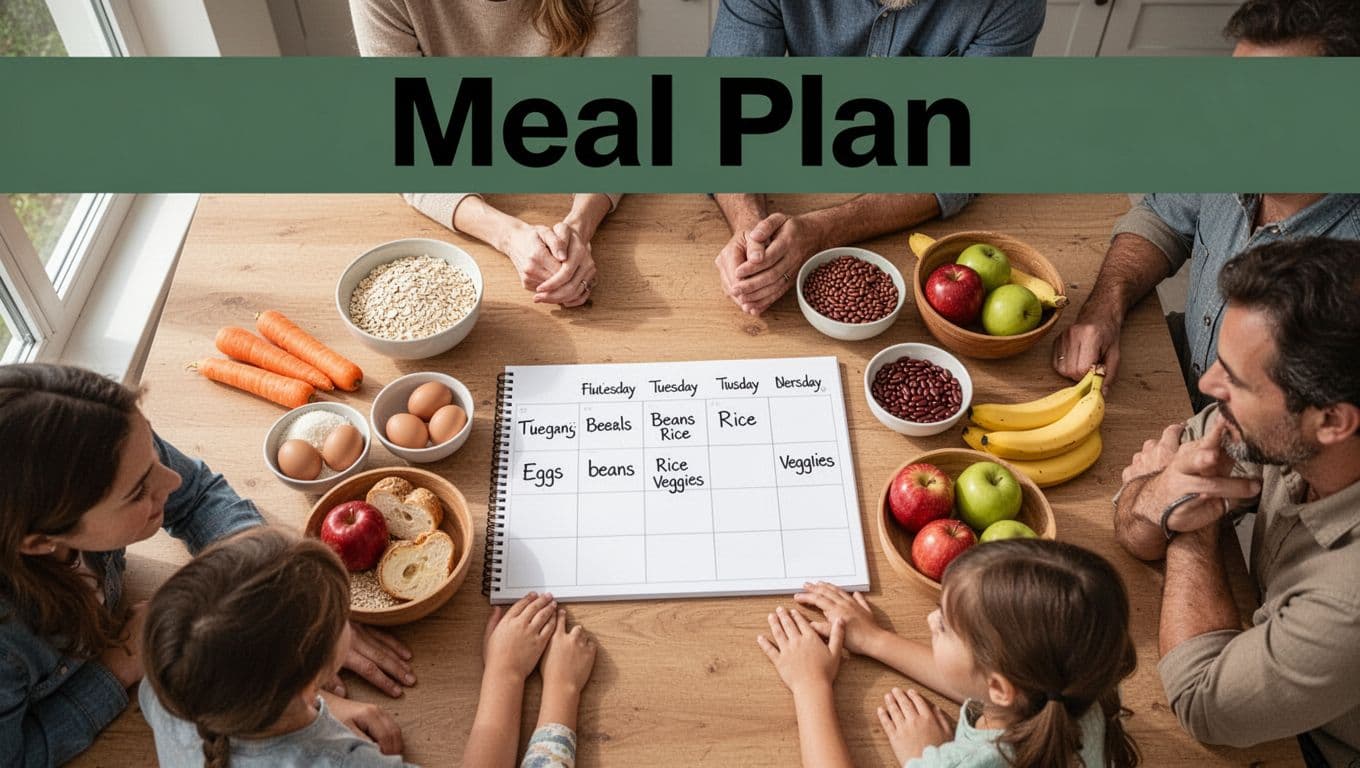
Here’s a simple weekly system that keeps costs down:
- Inventory your pantry and fridge (10 minutes max). Write down what you can use soon, like beans, rice, oats, eggs, and frozen veg.
- Pick 5 to 7 repeatable meals. Choose meals that share ingredients, such as rice bowls, stir-fries, chili, and sheet-pan dinners.
- Make one precise shopping list. Only add items your plan truly needs.
- Plan for leftovers on purpose. Put one “extra serving” meal on the schedule, then reuse it for lunch or dinner the next day.
If you want examples for how this can look in real life, check out this budget-focused approach from Eating Healthy on a Budget: The $50/Week Plan (2026) | What’s For Dinner. It shows how repeating a core set of foods can still feel varied.
Finally, make it family-friendly. Let kids pick fruit for snacks, or let one person “own” the shopping list. That small buy-in boosts follow-through, which is where the savings come from.
Master Smart Shopping for Healthy Groceries
Smart shopping is less about hunting coupons all day. It’s about avoiding the mistakes that quietly inflate your bill.
First, shop once per week (or twice if your household is small). Multiple trips usually mean extra buys you didn’t plan. Next, focus your basket on foods that hold up well, like dry beans, oats, rice, eggs, frozen vegetables, and apples.
Then use a simple rule: buy proteins and veggies, then add small extras for flavor. Seasoning is cheap, and it makes budget food taste better. Salt, pepper, garlic powder, chili powder, cumin, and vinegar go a long way.
Watch the price signals too. In 2026, USDA data shows eggs have been down sharply (reported around 27%), while many produce items rise only slightly. That means breakfast and veggie-heavy meals can stay budget-friendly, especially when you build around staples instead of pricier add-ons.
Here’s a quick way to shop without overspending:
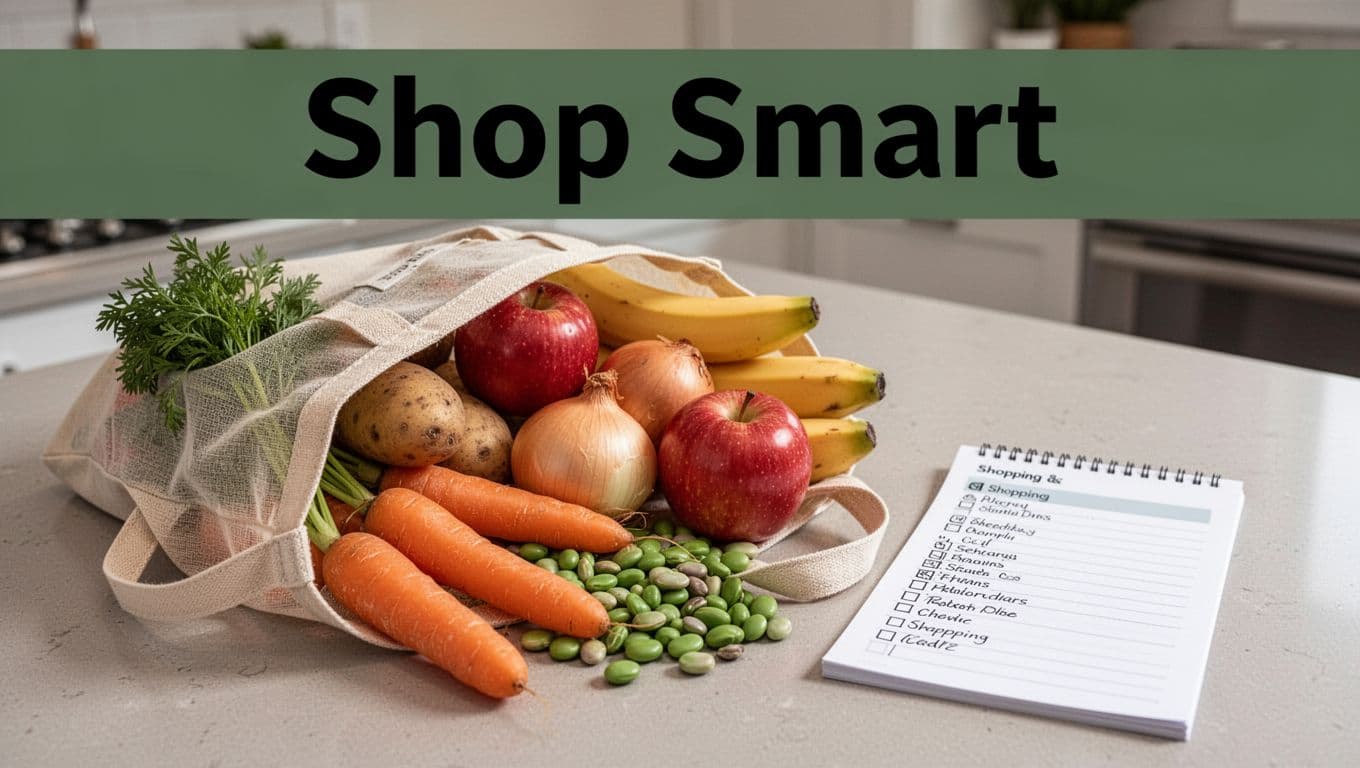
- Choose seasonal produce when possible. Carrots, cabbage, and onions stay helpful in lots of meals.
- Pick frozen vegetables for value. They cut waste because you can use them as you need.
- Use store brands for staples like oats, canned beans, and rice.
- Skip “special” snacks most of the time. Keep treats for planned nights or one snack per day.
Also, compare unit prices. A bigger package isn’t always cheaper, but unit pricing keeps you honest.
Powerhouse Foods That Pack Nutrition on a Budget
Think of budget eating like building with LEGO. A few strong pieces help you make many meals. You don’t need a long list of rare ingredients. You need reliable staples.
Aim for a plate that includes protein, fiber carbs, and colorful plants. Then add a small amount of healthy fat for staying power.
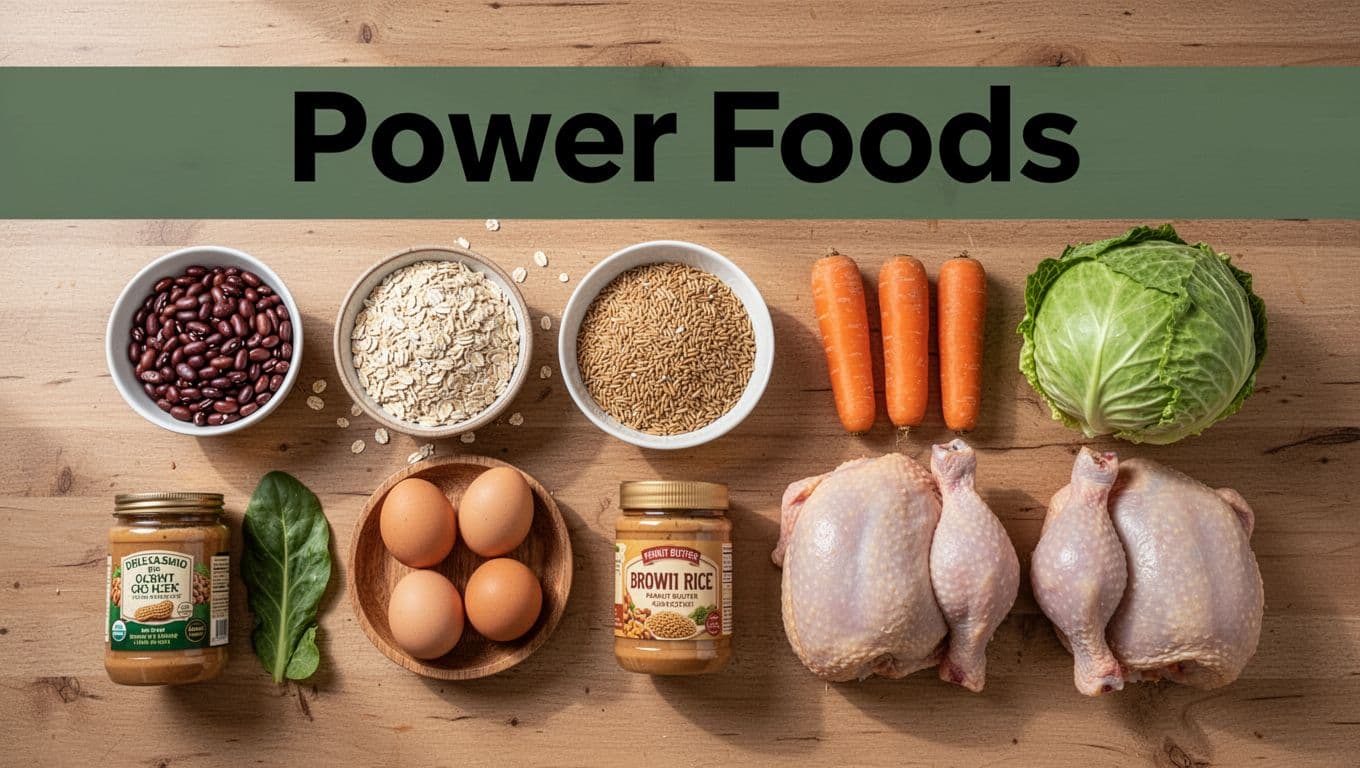
Here are “powerhouse” foods that work in many recipes:
| Budget staple | What it helps with | Easy ways to use it |
|---|---|---|
| Dry beans | Protein and fiber | Soups, rice bowls, tacos |
| Oats | Fill-you-up carbs | Breakfast, overnight oats |
| Eggs | Cheap protein | Scrambles, hard-boiled snacks |
| Brown rice (or rice) | Steady energy | Stir-fries, side dishes |
| Frozen vegetables | Vitamins, less waste | Steam, stir in, roast |
| Cabbage or carrots | Crunch and volume | Slaw, roasting, sauté |
Peanut butter is another high-value item for many budgets. Use it in smoothies, spread on toast, or stir into oatmeal. It adds healthy fats and keeps you satisfied.
When money is tight, avoid chasing trends like “one ingredient” diets. Stick to foods you can buy in bulk, store well, and reuse often.
Kitchen Hacks for Nutritious Meals on the Cheap
Cooking hacks save money because they reduce leftovers that get thrown out. They also help you repeat meals without cooking from scratch each night.
Start with batch cooking. Cook a big pot of beans, or roast a tray of mixed vegetables. Then use them across the week. One batch can become three meals.
Use “mix and match” sauces. A quick sauce can turn the same ingredients into a new experience. Try one base for the week:
- Tomato base (canned tomatoes, garlic, onions) for chili and pasta bowls
- Soy or teriyaki-style base for stir-fry and fried rice
- Lemon and olive oil base for roasted veggies and simple grain salads
Then add one “crunch” topping. Think chopped cabbage, carrots, or toasted nuts if you have them. Crunch makes meals feel more exciting.
Finally, watch portion sizes. You don’t have to measure everything. Just build around filling foods. Half the plate vegetables or fruit is a great target for most meals. It’s a simple way to keep your food volume high without raising your price.
Budget Meal Ideas Everyone Loves
When you have a plan, dinner gets easier. Here are real meal ideas built from affordable staples. Most take 30 minutes or less, and many reuse ingredients.
- Bean and rice bowls with sautéed cabbage or carrots, plus salsa or a simple tomato sauce.
- Egg breakfasts for dinner (scramble eggs with spinach-style greens, then serve with rice or toast).
- Chicken thigh sheet-pan dinner with roasted carrots and onions, plus a side of rice.
- Oatmeal smoothie bowls using frozen bananas, peanut butter, and oats.
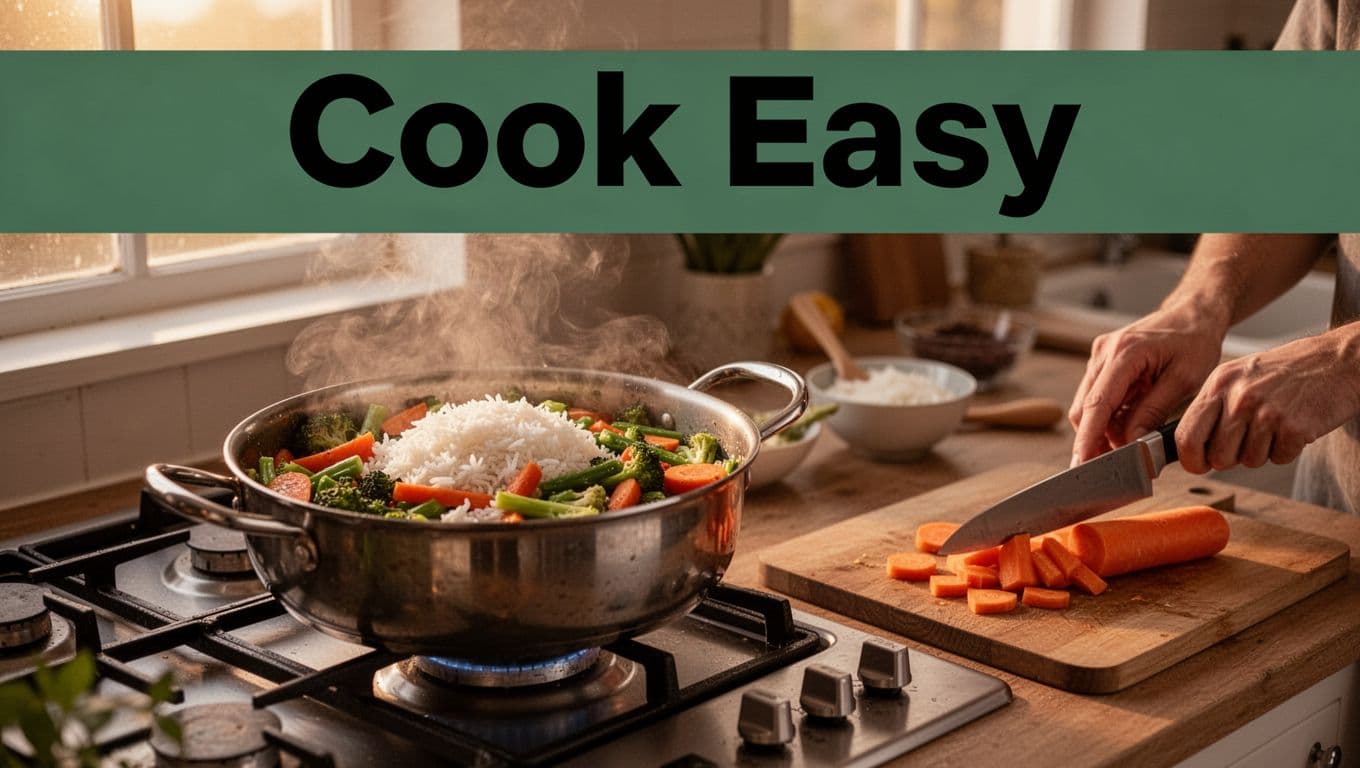
- Stir-fry night with frozen mixed vegetables and leftover rice.
If you want more options that fit a tight budget, browse 7-Day Budget Dinner Meal Plan – EatingWell. It’s helpful when you need ideas that already map to a grocery list.
For family-friendly cooking, especially when tastes vary, consider adapting recipes at the table. The NYT Cooking collection of Cheap Dinner Recipes for the Whole Family – NYT Cooking includes ideas that work even when one person wants “plain” and another wants toppings.
And remember this: healthy doesn’t mean you eat one bland meal forever. It means you repeat smart ingredients and change the flavor.
Conclusion: Small Changes, Big Grocery Wins
You started with the problem everyone shares: healthy food feels expensive. But your budget can handle it, especially when you plan ahead and build meals from reliable staples.
If you do one thing this week, make a simple menu, write one accurate list, and buy ingredients that can carry multiple dinners. That habit turns savings into something you feel, not just something you hope for.
So, what’s the easiest meal to repeat in your house this week, bean bowls, stir-fry, or egg breakfasts?