If you think cheap food automatically means poor nutrition, you’re not alone. With grocery bills still stretching in 2026, a lot of people assume the only “healthy” option comes with a high price tag.
That belief creates some common traps. You might think healthy eating is only for the wealthy, that organics are required, or that processed food is always poison. Maybe you’ve also heard carbs and fats are villains, that you need superfoods to stay healthy, or that gluten-free is automatically better.
The good news: common myths about cheap food and nutrition don’t hold up in real life. When you choose the right basics, you can eat well without overspending.
Why Healthy Staples Are Affordable Powerhouses for Nutrition
Healthy eating can feel expensive, but it doesn’t have to be. In the U.S., the USDA Food Plans show that a nutritious diet can be built at multiple cost levels, including the lowest-cost option designed around budget limits. USDA also publishes monthly cost updates based on actual market prices, so the math is grounded in what people pay, not guesses. For the official breakdowns, see USDA Food Plans: Monthly Cost of Food Reports.
This matters because “healthy” doesn’t mean you need steak, fancy bars, or pricey meal kits. It often means you need staples that do the job.
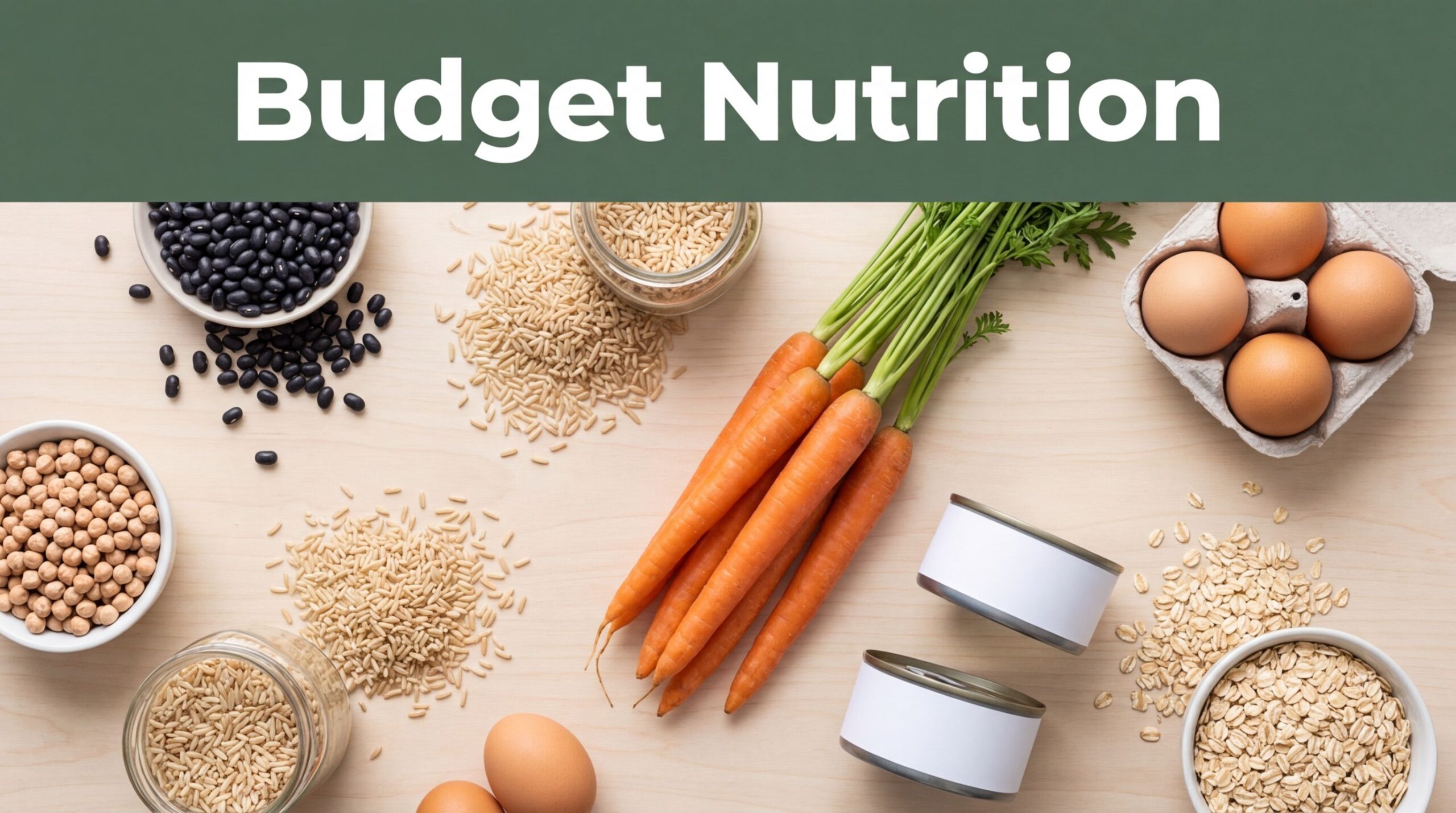
Cheap basics tend to win because they pack key nutrients per dollar. For example, beans and lentils deliver protein and fiber. Oats help with fullness and provide complex carbs. Potatoes are filling and easy to dress up. Eggs bring high-quality protein for many households. Frozen veggies keep for weeks, and canned fish can add omega-3 fats when you choose the right options.
Here’s where 2026 helps, too. Price trends for food bought at home are forecast to rise slowly overall (around low single digits). Some categories have not jumped like people feared. Fresh veggies and citrus have been rising more slowly than average, and eggs are expected to fall. Even when prices vary by store and region, basics are often still the cheapest way to meet your nutrition needs.
Healthy Eating Is Not Just for the Wealthy
The myth sounds comforting in a “doomed” kind of way: if you can’t afford top-tier foods, you must be stuck with junk. In reality, a balanced plate can be built from low-cost ingredients.
Start with proteins people can actually afford. Eggs are often one of the best budget protein buys. Dry beans and lentils are usually even cheaper per serving. For carbs, think simple and filling: rice, oats, potatoes, and whole-grain options when you can find deals. Then add veggies you can rotate, like frozen broccoli, canned tomatoes, or bagged salad kits when they’re marked down.
To make it feel less abstract, here’s a practical comparison. A hearty lentil soup (lentils, onion, carrots, canned tomatoes, and spices) can be enough for multiple meals. Compare that to buying a similar volume of protein through steak every time. Even if you love meat, you don’t need it daily for a nutritious diet.
If you want a real baseline for what “thrifty” can look like, the Thrifty Food Plan exists for a reason. It’s designed as a low-cost model of a nutritious diet. You can read the background and intent here in a summary PDF from No Kid Hungry’s Center for Best Practices: THE THRIFTY FOOD PLAN.
Bottom line: when you build around staples, healthy eating stops being a luxury project.
Not Every Grocery Item Has Skyrocketed in Price
Another myth says all groceries moved up together, so budgeting is hopeless. Prices did rise for many items, but they didn’t rise evenly. Some categories stayed relatively steady, while others changed less than expected.
Here’s a simple way to think about it: if your basket is heavy on very cheap staples, you may feel less pain than someone buying mostly convenience foods.
The overall forecast is modest growth, and specific areas can vary. For example, eggs are expected to get cheaper in 2026, while citrus has been up less than average. Fresh veggies are also up slowly compared to what people often remember from earlier high-inflation years.
Use this kind of check when you shop. Compare unit prices, choose store brands when the quality is similar, and watch for weekly sales.
| Grocery category | What 2026 trend suggests (at a high level) | Budget move that helps |
|---|---|---|
| Eggs | Likely lower | Buy the largest pack on sale |
| Citrus (or oranges/lemons) | Up less than average | Pick the fruit that’s cheapest this week |
| Fresh veggies | Up slowly vs long-run average | Mix fresh with frozen |
| Protein basics (beans/lentils) | Modest overall change | Stick to dry or canned, avoid impulse brands |
A good rule: if a food is both filling and nutrient-dense, it often stays a smarter buy than trendy convenience.
Organic and Superfoods: Do They Deliver Better Nutrition for Less?
Organic and “superfoods” make great headlines. Still, they often create the wrong expectation: that you must buy expensive labels to get real nutrition. For many people, that leads to two problems. First, the budget shrinks. Then, the diet gets less diverse.
Also, “better for you” doesn’t always mean “better nutrients per dollar.”
Research reviews show that organic produce can sometimes have more certain plant compounds, like antioxidants. Still, results vary by crop, season, and soil. And the bigger health payoff is not proven the same way for everyone. Nutrition differences, when they exist, often aren’t large enough to override your ability to eat enough fruits and vegetables.
A helpful example comes from long-term comparisons published in Frontiers (March 2026). Those kinds of studies look at differences in organic and conventional farming systems, including nutrient-related outcomes. You can see the research here: Comparison of organic vs conventional farming.
Skip the Organic Premium for the Same Nutrients
If you can afford organic, great. But if you’re chasing savings, you don’t need to assume conventional food is “bad.”
Here’s the practical truth. Most people benefit most from eating more produce, not from paying extra for a label. You can reduce pesticide residues by washing produce under running water. In the U.S., both conventional and organic produce follow safety rules. So, the risk game is not usually as dramatic as social posts make it feel.
When it comes to nutrient quality, variety and portion size matter more than the sticker. Conventional apples can still give you fiber and nutrients. Conventional berries can still help you meet fruit goals.
If you want a money-smart strategy, use this approach:
- Buy conventional produce that’s already cheap.
- Focus your budget on variety, then swap in organic only when it makes sense.
That way, your grocery cart still supports your health goals, even when your wallet is doing overtime.
The biggest “upgrade” usually comes from what you eat consistently, not from paying extra for a specific label.
Everyday Foods Beat Pricey Superfood Trends
Superfoods get marketed like they’re required. But most of the benefits people chase are already found in regular foods.
Dark leafy greens, beans, oats, and berries can cover the basics. They bring fiber, antioxidants, and minerals that support everyday health. You don’t need microgreens in every meal to get results.
Also, superfood trends often push people into expensive portions. For example, someone might pay a lot for a small amount of powder but skip whole foods that cover more nutrient needs.
Instead, think of meals like a playlist. You don’t need one “hit track.” You need a mix that works together.
Here’s a simple substitution idea:
- Use beans for protein and fiber instead of specialty bars.
- Choose oats instead of pricey breakfast mixes.
- Pick frozen berries for antioxidants instead of single-use snack “boosters.”
When you treat affordable foods as worthy, your diet improves without the drama.
Processed Foods, Carbs, Fats, and Gluten: Sorting Fact from Fiction
This is where myths spread the fastest, because social media simplifies everything into heroes and villains. Processed foods, carbs, fats, gluten, and even dairy often get tossed into the same “bad list.”
But food is more like a toolbox than a moral test.
Some processed foods are highly processed and easy to overeat. Others are processed in ways that help people. For example, frozen vegetables are processed for storage, then used as nutritious ingredients. Canned beans can be processed, yet still deliver protein, fiber, and minerals. The health difference usually comes down to ingredients, portion size, and how often you eat the product.
Carbs aren’t automatically bad, either. Your body uses carbs. The key is choosing whole-food carbs more often.
Fats aren’t the enemy either. Healthy fats help you feel full and support hormone and cell functions. Again, the difference comes from the type and amount of fat.
Gluten-free also gets misunderstood. Unless you have celiac disease or a true gluten-related medical need, going gluten-free doesn’t automatically improve health.
Not All Processed Foods Ruin Your Health
It’s tempting to ban processed foods completely. However, that often backfires.
Consider two common realities:
- Many “processed” foods are actually shelf-stable versions of real foods.
- Convenience matters when you’re busy, because it helps you stick to a plan.
Pre-cut vegetables, frozen fruit, canned fish, and yogurt are all processed. Still, they can support nutrition when you pick options with fewer added sugars and less sodium.
The better goal is not “no processed foods.” The better goal is “use processed foods to build real meals.”
A smart moderation rule works well:
- Use convenient processed items as building blocks.
- Pair them with whole foods when you can.
- Avoid eating ultra-processed snacks as your main meals.
If you treat convenience as a shortcut to healthier cooking, you still win.
Carbs Aren’t the Enemy of Good Nutrition
Carb myths are everywhere. Some people say carbs “make you gain weight,” so they cut them all. That often leads to low energy, more cravings, and a diet that’s hard to maintain.
Carbs provide energy for your body and brain. The real issue is what kind you eat.
Whole carbs like oats, potatoes, rice, beans, and whole grains tend to come with fiber and nutrients. Fiber slows digestion and helps you feel full longer. That makes it easier to stay satisfied without constant snacking.
For a budget-friendly plate, try this formula:
- Pick one main carb (oats, rice, potatoes, or beans).
- Add a protein (eggs, beans, lentils, canned fish).
- Add veggies (frozen works great).
This pairing also helps prevent the “sugar spike, crash, then snack” pattern that many people blame on carbs in general.
Healthy Fats Support Weight Goals, Not Hurt Them
Another myth flips the script: all fats are bad, so you should eat only low-fat options. But fats play a real role in weight management because they help you stay full.
Nuts, seeds, avocado, and olive oil can support a healthier eating pattern. Also, they often taste better, so people stick with meals longer.
You don’t need lots of fat, but you do need the right kinds. If you remove all fat, you may end up replacing it with extra sugar or refined carbs.
So instead, focus on balance:
- Choose fats that come from whole foods.
- Keep portions reasonable.
- Pair them with fiber-rich foods.
Your goal is satisfaction, not elimination.
Gluten-Free Doesn’t Mean Healthier or Slimmer
Gluten-free is another label that gets treated like a health shortcut. In reality, gluten-free foods often cost more. They can also be higher in sugar or fat, depending on the brand.
Unless you have celiac disease or a doctor-confirmed gluten issue, gluten-free isn’t automatically healthier. You can still eat nutritious meals with wheat, barley, and rye by choosing whole-grain options more often.
If you want a budget win, don’t pay extra just for a “free-from” stamp. Instead, check the ingredient list and choose foods that offer fiber, protein, and minerals.
A smart approach is simple:
- Keep whole grains in rotation when you tolerate them.
- If you’re avoiding gluten, choose gluten-free whole-food options like oats (if certified), brown rice, and beans.
Your body doesn’t need a label to get nutrition. It needs good food and steady habits.
Conclusion: Cheap Food Can Still Be Nutrient-Dense
The biggest myth is the idea that health only comes with a premium price tag. When you choose nutrient-dense staples like beans, oats, eggs, potatoes, and frozen veggies, you can build meals that support your body and your budget.
Prices in 2026 vary, but the overall message stays the same: you don’t need labels, superfoods, or perfection. You need consistency, smart swaps, and a plan you can repeat.
If you want quick cheap healthy eating tips, try these next:
- Plan 3-4 simple meals, then repeat them with small swaps.
- Use frozen and canned items as your budget anchors.
- Buy seasonal produce and rotate by what’s cheapest.
- Choose bulk basics (oats, rice, beans) and cook them in batches.
- Read labels for added sugar and sodium, not just “healthy” claims.
What’s one cheap meal you already make that you’d actually keep improving this month?