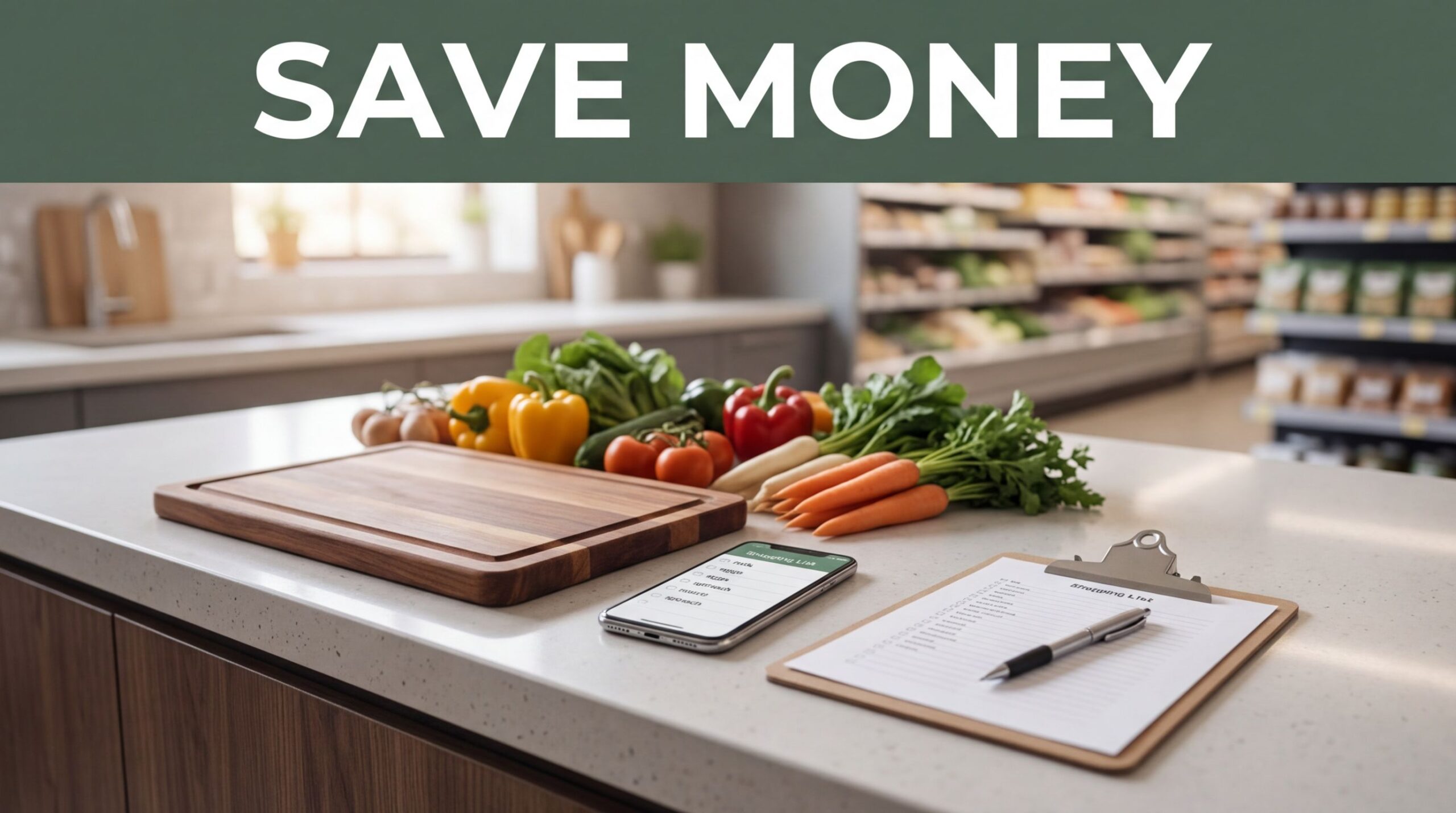
Ever left the grocery store with bags in the car and realized half the items were “nice to have”? That’s how a normal week turns into an expensive one. Impulse snacks, random produce, and “I’ll use it later” buys add up fast.
In March 2026, grocery prices in the US are still trending upward, with forecasts around 1.7% to 2.5% overall. That means you can’t rely on luck. You need a shopping list that keeps you focused on what you’ll cook, what’s on sale, and what you already have at home.
The good news? A simple list turns chaos into savings. When you inventory first and match your meals to deals, you stop paying for duplicates and last-minute choices. In household budgets, disciplined lists often cut extra spending substantially, sometimes by close to half when prices feel “annoyingly high.”
Here’s the plan, step by step: you’ll inventory your kitchen, plan meals around weekly sales, build a list with realistic quantities, shop with guardrails, and use a few free tools so your list stays consistent.
Take Stock of What You Have at Home First
A shopping list can’t save you if it ignores your pantry. When you skip inventory, you buy what you already own. Then you either waste it, or you buy it again next week. Food waste is one of the biggest silent leaks in a grocery budget, and it often starts with guessing.
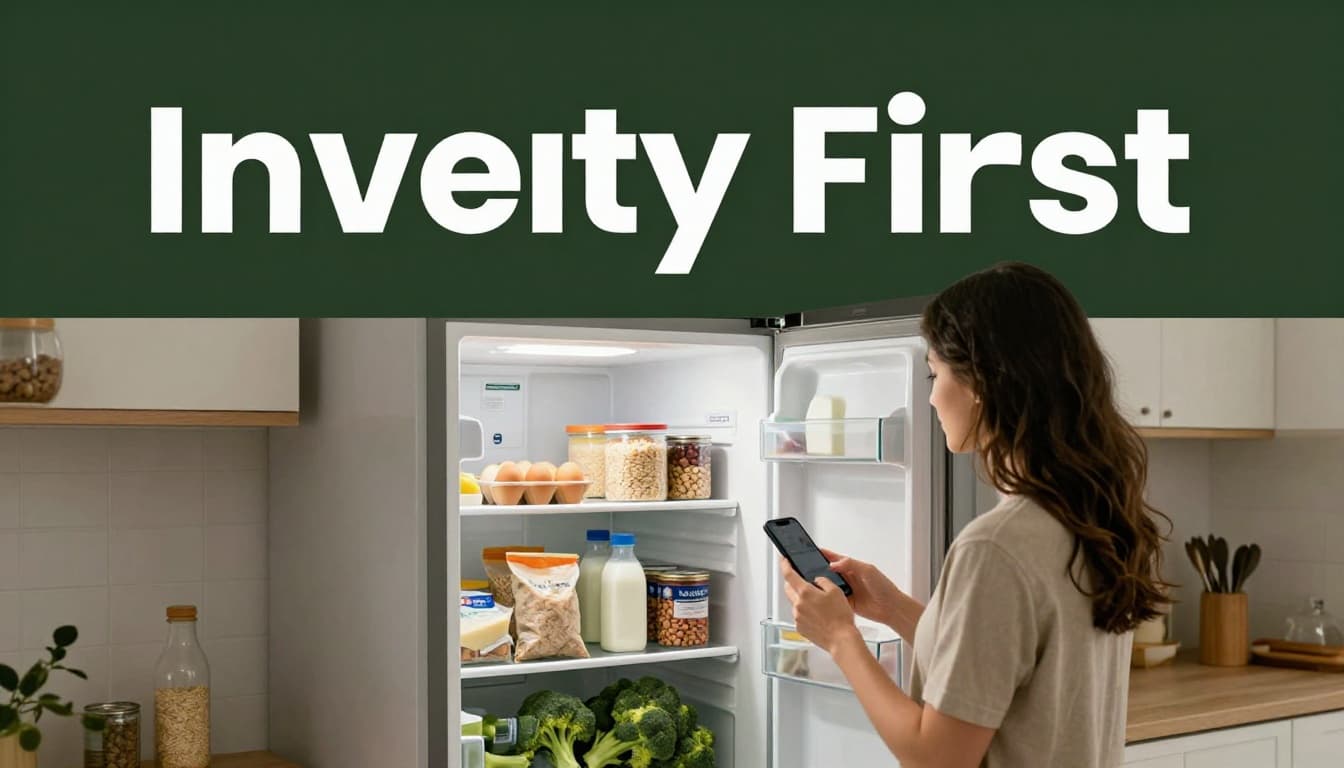
Start with a quick reset. Spend 10 minutes checking your fridge, pantry, and freezer. You’re not counting every item. You’re spotting your “repeat offenders,” the staples you always run out of. Think rice, frozen veggies, eggs, canned beans, pasta, and everyday sauces.
Also, shift toward longer-lasting items when you can. In 2026, shopping habits keep leaning into value and convenience, which is why frozen foods matter. Frozen produce can help stretch your dollars, because it reduces spoilage pressure and lets you buy when it’s convenient.
A simple $50/week target
If you’re aiming around $42 to $50 per person per week, you’ll need your list to reflect core meals, not cravings. For many households, that range lines up with current average grocery spending levels when you break household totals down per person. If your budget is tighter, trimming extras works better than cutting whole meals.
Make a Quick Inventory Checklist
Think of your kitchen like your “backyard garden.” You wouldn’t plant seeds without seeing what already sprouted. Your inventory check does the same thing for grocery planning.
Use this quick starter list, then adjust based on what you actually see:
- Proteins: eggs, canned beans, chicken thighs, ground turkey
- Carbs: rice, oats, potatoes, pasta
- Veggies: frozen broccoli, carrots, mixed peppers
- Fruits: bananas, apples, oranges
- Staples: olive oil, soy sauce, salsa, broth, tortillas
As you check, note what’s close to the end. Also, glance at expiration dates. Cross off anything you’ll finish before your next shop. Then, write down only what you truly need to replace.
A quick habit that helps: take a phone camera photo of your fridge and pantry. You’ll thank yourself when you’re writing the list later.
Here’s a simple rule that saves money fast: If it’s in your kitchen, it can’t also be on your list. That one rule cuts duplicates and reduces waste.
Spot Items Running Low Without Guessing
Now prioritize. Not everything needs to be replaced at once. Essentials come first.
Check your kitchen like a manager, not like a perfectionist. Flag:
- What you’ll run out of first (milk, bread, eggs, coffee, tortillas).
- What you can stretch into repeat meals (rice, oats, frozen veggies).
- What’s optional but tempting (chips, fancy desserts, “treat” items).
This approach helps you avoid overbuying, especially if you shop warehouse-style stores. When you assume you need “more,” you often end up with extra packages that sit in your freezer too long. Then you end up paying again later because you had to “restock” anyway.
Also, watch current price swings. For example, eggs have been down in recent forecasts, which means they can be a good budget-friendly protein. Meanwhile, beef has been trending higher. If your list is flexible, you can build meals around what’s cheaper right now.
The best list doesn’t chase every sale. It protects your budget by replacing what’s running out.
Finally, once you know what’s truly low, you can set a realistic grocery budget. If you’re targeting about $50 per person per week, you’ll build meals around a small set of repeat items. That keeps the total predictable.
Plan Meals Around Weekly Sales and Seasons
Meal planning is where the savings really show up. But it shouldn’t feel like homework. Your goal is simple: base the week on what’s on sale and what you can use up.
Start by looking at weekly grocery deals. Many shoppers use store ads to see what’s discounted before they plan meals. In 2026, sales still matter because grocery prices rise, but deals sometimes narrow the gap.
Then build meals around repeat ingredients. Use the same onion, the same rice, and the same frozen veggie mix in different dinners. Your kitchen starts to feel like it has a theme, and your list becomes shorter.
A helpful target: plan meals for about 5 to 7 days, not “every night forever.” Keep it tight. Repeating ingredients also reduces decision fatigue. You don’t stand in the fridge at 6:30 pm thinking, “What can I make?”
Scan Ads and Pick In-Season Produce
Do this early in the week. Look at store flyers and weekly promotions before you write your list.
A quick way to find flyers: check weekly ad previews from LadySavings. Then compare deals with what you already have.
When you scan, ask one question: “What can I cook with the items I’ll use up this week?” If bananas are cheap, build snacks and breakfasts around them. If apples are in season, plan lunches or easy desserts.
For produce value, frozen often wins. If your goal is saving, frozen veggies give you more meals per dollar. Plus, they’re harder to waste. That matters when your budget feels tight.
Also, avoid eye-level traps. Retailers place higher-priced items where you naturally reach. If the list says “frozen broccoli,” you buy frozen broccoli, not whatever shiny bag is calling your name.
Repeat Ingredients to Stretch Your Dollar
Here’s the money trick that feels almost unfair: repeat cheap ingredients across multiple meals.
Rice can become a base for bowls, stir-fries, and quick leftovers. Carrots can show up as a side, a soup add-in, and a roasted veg batch. Beans can slide into tacos, salads, and chili.
Pick ingredients that fill you up too. Beans, oats, and roasted potatoes tend to stretch meals better than snacky options. They also keep you full longer, which reduces late-night “I deserve this” purchases.
If you want a reason frozen foods help beyond convenience, this is a useful read: frozen foods can mean less waste and savings. It aligns with what many shoppers see at home, especially when produce goes unused.
Try this small planning pattern:
- Choose 3 proteins
- Choose 2 carbs
- Choose 3 to 4 veggies (mix fresh and frozen)
Then build meals by combining them. You’ll find it’s easier to cook when your menu is built from a short list.
Build a Bulletproof Shopping List That Sticks
A shopping list should act like seatbelts. It doesn’t remove risk, but it keeps you from crashing your budget.
Your list should be structured. If it’s messy, you’ll improvise in-store. And improvising usually means spending.
So build your list in categories. Add quantities. Add max prices. Then stop. No “just in case” items.
Use a price reference too. If you track your usual prices in phone notes, you’ll know what a “good deal” actually looks like. That way, you don’t get fooled by a small discount on an item you overpay for every time.
Categorize and Set Price Limits
Before you leave home, set limits for the week. Here’s a sample format. Adjust numbers based on your local prices.
| Category | Item | Qty | Max Price |
|---|---|---|---|
| Produce | Bananas | 3 lb | $1.77/lb |
| Frozen | Broccoli florets | 2 bags | $3.00 each |
| Proteins | Eggs | 18 count | $3.50/dozen |
| Carbs | Rice | 5 lb | $2.50/lb |
| Pantry | Canned beans | 4 cans | $1.25 each |
Keep the list to what you’ll cook. Many people do best with 20 to 30 items, not a full cart of everything they like.
One more rule: if you didn’t plan it, you don’t upgrade it. “I’ll just get the bigger one” breaks the whole math.
Write It Down or Use Digital for Easy Checks
You can use paper, but digital makes it easier to stay consistent. A phone list is also easier to share, which helps if someone else shops with you.
For app-based options, NerdWallet has a useful roundup of best grocery list apps. The key feature to look for is fast adding and clear categories.
If you shop with someone, sharing also prevents duplication. One person buys chicken, the other person buys chicken again. A shared list keeps everyone aligned.
Also, write your list before you go, not while you’re walking the aisles. In-store adds usually happen when you’re hungry, rushed, or tempted by end caps.
After you build your list, take a breath. Then commit to it. That’s how you turn your plan into saved money.
Shop Smart and Use Free Tools to Maximize Savings
Shopping is where most lists fail. Not because the list is bad, but because your routine drifts.
So use a simple path:
- Start with produce and proteins you planned.
- Stay in your planned aisles.
- Skip extras until your core items are done.
- Only then consider one optional treat if your total still fits.
Most of the time, your biggest wins come from fewer impulse buys and fewer duplicates.
Also, watch unit prices. Store brands can help, but only if the math checks out. If you track price per ounce or per pound, you’ll spot when “cheap” is only cheap on the label.
Leverage Apps for Sales and Custom Plans
Apps help in two main ways: finding deals and keeping your meals consistent.
Start with store apps. Many offer digital coupons and personalized deals. Use them before checkout, not after. Then your savings show up automatically.
If you want meal planning plus grocery list support, consider an app ecosystem. Fortune shares a few options in its guide to best meal planning apps. Choose one that matches your style, whether you want quick meal templates or simple list building.
Also, keep the “pantry photo” trick. When you snap inventory images at home, you can input your items faster later. That helps your list stay accurate.
Your goal isn’t to shop perfectly. Your goal is to shop on purpose.
Finally, track spending after the shop. Not obsessively. Just enough to learn. When you see your pattern, your next list gets tighter.
Master In-Store Tricks to Stay on Budget
Here are habits that work without fancy gear.
First, use a basket instead of a cart when possible. A basket forces quick choices. With a cart, “small extras” multiply.
Second, shop in order. A perimeter route reduces impulse browsing. If you planned frozen broccoli and eggs, go to those first.
Third, park the deals in your brain. If your list says “no upgrades,” then ignore the larger size. It might look better, but it often costs more.
Fourth, avoid warehouse club overbuying if your list planning is still new. Buying a huge pack of something you only use occasionally can turn into waste later.
Finally, celebrate the win you can measure. If you came in under your target, that’s progress. Over time, your list gets sharper, and your spending becomes calmer.
Conclusion
A money-saving grocery list starts before you see the first aisle. Take stock of what you have, then plan meals around deals you can actually use. Next, build a tight list with quantities and price limits, so you don’t improvise in-store.
Then shop with guardrails. Use apps for sales, track what you spend, and keep your routine consistent. When you follow that flow, budgeting gets less stressful, even when prices tick upward.
This week, make your first list at home. Snap a quick inventory photo, then write only what you need. What’s the one item you always forget to restock?