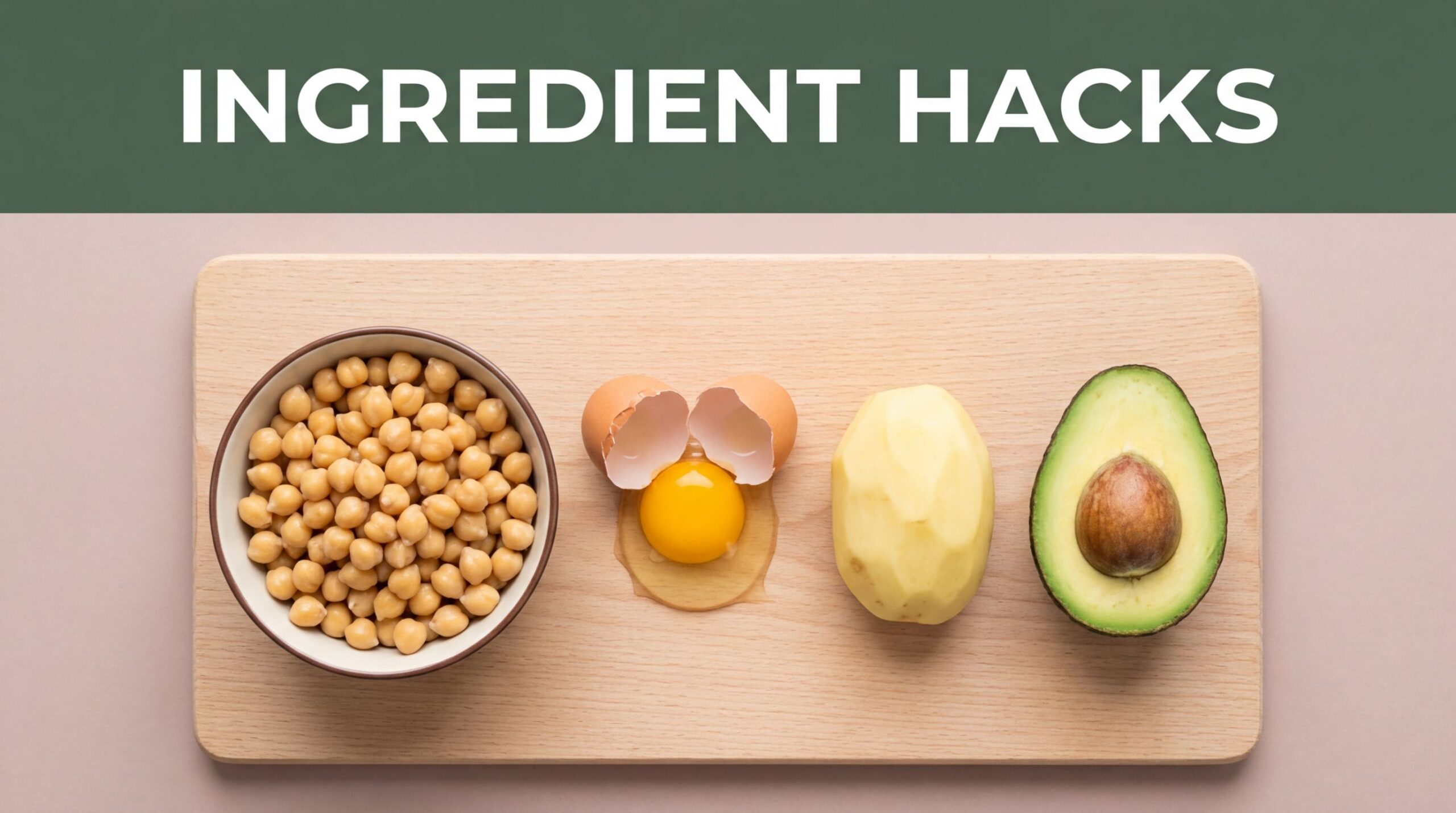
You ever open the pantry and spot a half-used can, then stare at it like it’s judging your life choices? That’s where one-ingredient cooking saves you.
When you treat a single ingredient like a “starter kit,” you stop wasting money and start building meals that taste planned. Plus, it sparks creativity. One can of chickpeas can turn into dip, snacks, and dinner. One batch of eggs can do the same.
In 2026, home cooking leans into protein-packed meals, practical swaps like yogurt for mayo, and fermentation twists that add tang fast. You’ll see those ideas here with easy, repeatable recipes for chickpeas, eggs, potatoes, and avocados, plus pro tips to remix anything you buy.
Why Stretching One Ingredient Saves You Time, Cash, and Hassle
Think of one ingredient as a toolbox. Instead of buying more tools, you learn how to use the ones you already have.
It also changes your whole shopping rhythm. Fewer trips usually means fewer impulse buys, and that adds up over time. On the waste side, cooking what you already own matters. The U.S. discards a huge amount of food each year, and that includes plenty of ingredients people forget in the back of the fridge. For a reality check, see these U.S. food waste statistics from Recycle Track Systems.
There’s another win too: skill-building. Once you know how to turn chickpeas into a creamy dip and a saucy dinner, you stop second-guessing. You also build confidence with simple flavor moves, like adding lemon to brighten, or swapping mayo for yogurt for a lighter, tangier finish.
And yes, it matches what many cooks want right now: more protein, more fiber, and more “small upgrade” habits. Johns Hopkins even points to 2026 food trends that center on fiber-focused choices like beans and other practical staples. You can read more in Food Trends for 2026: Focus on Fiber-Maxxing.
Here’s what you get when you stretch one ingredient across several dishes:
- Lower grocery spend because you plan around what you already have
- Less food waste since the ingredient gets used fully, not “half-for later”
- Faster weeknights because you repeat the same prep moves
- More variety on the table without buying extra specialty items
- Room for healthy swaps like yogurt, plus flavor boosts like fermented add-ins
Tired of throwing out wilted veggies? This approach helps you finish ingredients before they lose their charm.
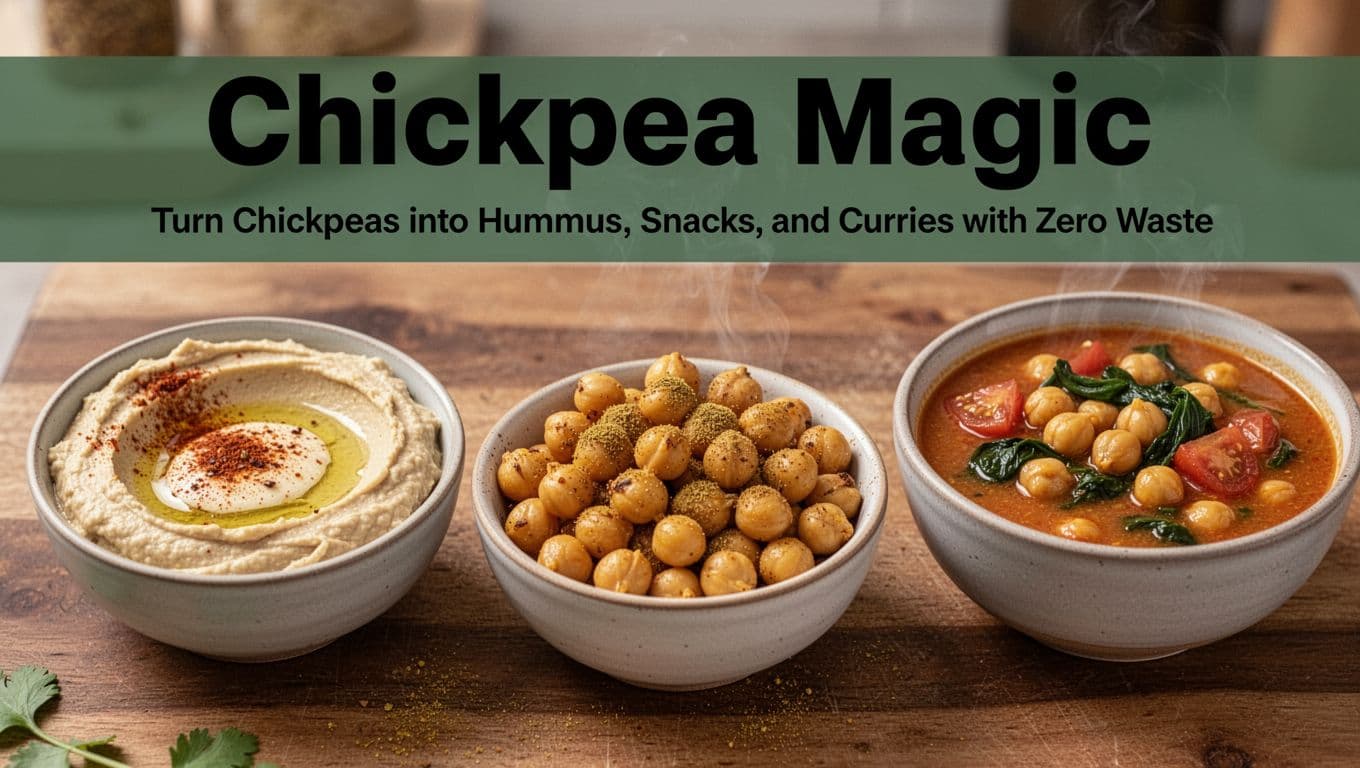
Turn Chickpeas into Hummus, Snacks, and Curries with Zero Waste
Chickpeas are a cheat code because one can can act like three different foods. You get creamy hummus, crunchy roasted snacks, and a simmer sauce that turns into a full dinner.
Also, chickpeas fit 2026 cooking habits. They’re a strong plant-protein choice, and they work with “protein-first” meal planning. Even better, you can add fermentation twists without making everything complicated. A spoon of tangy fermented spread (or a handful of pickled add-ins) can give hummus or curry a deeper flavor.
Below are three simple recipes built from one can. Same ingredient, totally different meals.
Creamy Hummus Dip Ready in Minutes
Start with 1 can chickpeas (drained and rinsed). Blend until smooth with 2 tbsp tahini, 1 garlic clove, 1 lemon juice, and 2 tbsp olive oil. Scrape the bowl once, then blend again.
Season with salt, and if you want it extra creamy, splash in a little water, 1 tbsp at a time. Chill for at least 15 minutes, then serve.
Pair hummus with veggie sticks, warm pita, or even roasted chickpea crumbs on top. This is a protein-rich snack that feels like a treat, not a “diet food.”
Variation: Stir in 2 to 3 tbsp roasted red peppers for a sweeter, smoky vibe. Or add a spoon of fermented chili paste for a quick umami kick.
Crunchy Roasted Chickpeas for On-the-Go Munching
For roasted chickpeas, you’ll use the same basic can. First, pat the drained chickpeas dry. This tiny step helps them roast crunchy instead of soft.
Toss with 1 tbsp oil, plus salt, 1 tsp cumin, and 1 tsp paprika. Spread on a sheet pan in a single layer.
Roast at 400°F for 20 to 25 minutes, shaking once halfway. When they cool, they get even crunchier. Store in a jar for up to 3 days.
Use them as a salad topper, a crunchy snack, or a fast “chips substitute.” If you mix them into a trail-style handful with nuts and dried fruit, you’ve got a portable meal add-on.
Hearty Chickpea Curry for Cozy Dinners
Now turn chickpeas into dinner. Heat oil in a pan, then sauté 1 onion and 2 garlic cloves for about 3 minutes. Add 1 tsp ginger if you like that warm, zippy flavor.
Next, add 1 can chickpeas and 1 can tomatoes. Sprinkle in 1 tbsp curry powder, then stir in about 1/2 can coconut milk (or to taste).
Simmer for 15 minutes, then taste and adjust salt. Serve over rice (or with naan). This recipe makes about 4 servings.
For a close cousin of this style, check Love and Lemons’ chickpea curry recipe. You’ll see another way to shape the same idea.
Variation: Add spinach in the last 2 minutes for greens, or stir in a fermented sauce at the end for tang. That “small add” trend matches what many cooks want right now: bold flavor without extra effort.
Eggs: Quick Scrambles, Fried Rice, and Baked Breakfasts Packed with Protein
Eggs are the ultimate partner ingredient. They’re fast, affordable, and they adapt to almost any flavor direction.
In 2026, eggs get more exciting than plain breakfast plates. People are mixing in Asian flavors, adding saucy textures, and using fermentation twists for extra depth. You can also build protein-first meals by pairing eggs with rice, greens, or potatoes.
Here are three easy ways to stretch your eggs across breakfast and dinner.
Umami Scrambled Eggs with a Fermented Kick
Whisk 4 eggs in a bowl. Then stir in 1 tsp chopped fermented black beans (or a small spoon of similar fermented paste). Add green onions if you have them.
Cook in a nonstick pan over low to medium heat. Stir gently for about 5 minutes, until the eggs look softly set.
Serve straight from the pan, or spread on toast. The fermented ingredient brings a salty, savory punch, so you won’t need heavy sauces.
Easy Egg Fried Rice for Weeknight Wins
Egg fried rice is one of those meals that feels “fakeaway” good, but it takes less time than takeout.
Beat 3 eggs in a bowl. Heat a pan with oil, then scramble the eggs first. Remove them to a plate.
Add 2 cups cooked rice and stir until hot. Toss in frozen veggies (carrots, peas, mixed stir-fry). Add soy sauce, return eggs, then stir for 5 minutes. This serves 2 to 3.
If you want a slightly different take, see Scrambled Eggs with Rice from Budget Bytes. It’s a helpful reference for the “rice plus egg” method.
Variation: Add a drizzle of chili oil or sriracha. For a fermented twist, stir in a small spoon of kimchi (and use the pan to cook it briefly).
Baked Eggs for a Fancy Yet Simple Start
For baked eggs, use avocado halves or small ramekins. Scoop out the avocado pits, leaving a well in each half.
Crack an egg into each well. Bake at 425°F for about 15 minutes. Season with salt and pepper.
This looks fancy, but it’s beginner-friendly. Plus, it’s protein-forward without making a big mess.
Variation: Top with salsa, chopped herbs, or a sprinkle of cheese. If you want tang, add a spoon of yogurt mixed with lemon.
Potatoes and Avocados: Upgrade Your Staples into Salads, Smashes, and Toasts
Potatoes and avocados are built for remixing. Potatoes bring comfort and crunch when roasted. Avocados bring creamy richness and fresh flavor.
The best part is how well they pair. A potato dish can anchor the meal, while avocado adds a bright finish. Also, both ingredients support easy healthy swaps. You can replace mayo-heavy dressings with yogurt and fermented pickles.
Below are three recipes that feel different but use the same core technique mindset.
Loaded Baked Potatoes with Smart Toppings
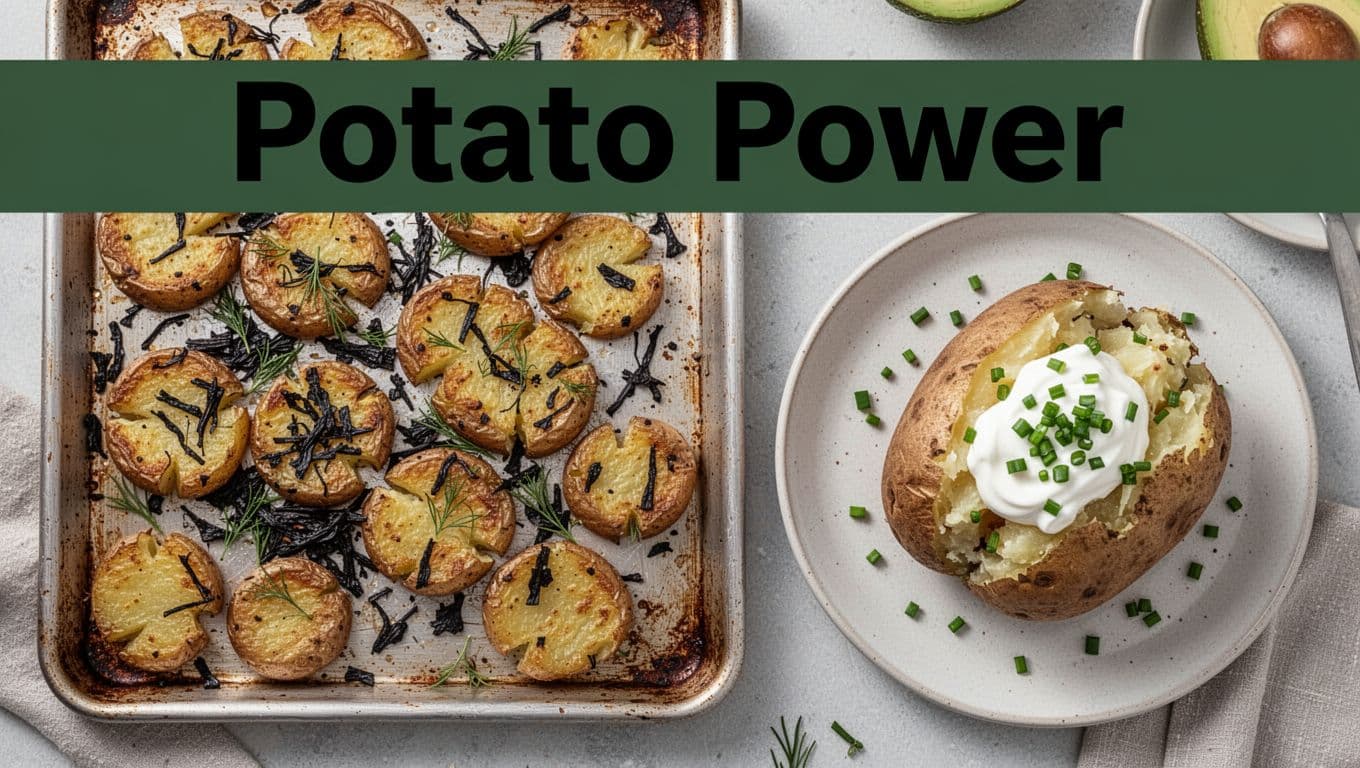
Bake 4 potatoes at 425°F for about 45 minutes. You’ll know they’re ready when a fork slides in easily.
Split and fluff the insides with a fork. Then top with yogurt, a bit of cheese (optional), chives, and salt. If you usually use mayo, try this swap: yogurt keeps the creaminess, but the flavor stays lighter.
Pro tip: Save potato skins after baking, then crisp them in a hot oven. That turns leftovers into a snack.
Crispy Smashed Potatoes with Herb Crunch
Boil baby potatoes until tender, then drain. Place them on a sheet pan. Gently smash with a flat tool (no need to go too wild).
Drizzle with oil, add herbs, plus a pinch of salt. Roast at 450°F for about 20 minutes, until the edges turn golden.
If you’ve never tried dulse as a salty sprinkle, this is a great place. It adds a seafood-like note that makes simple potatoes taste more “grown-up.”
Avocado Toast Evolved with 2026 Twists
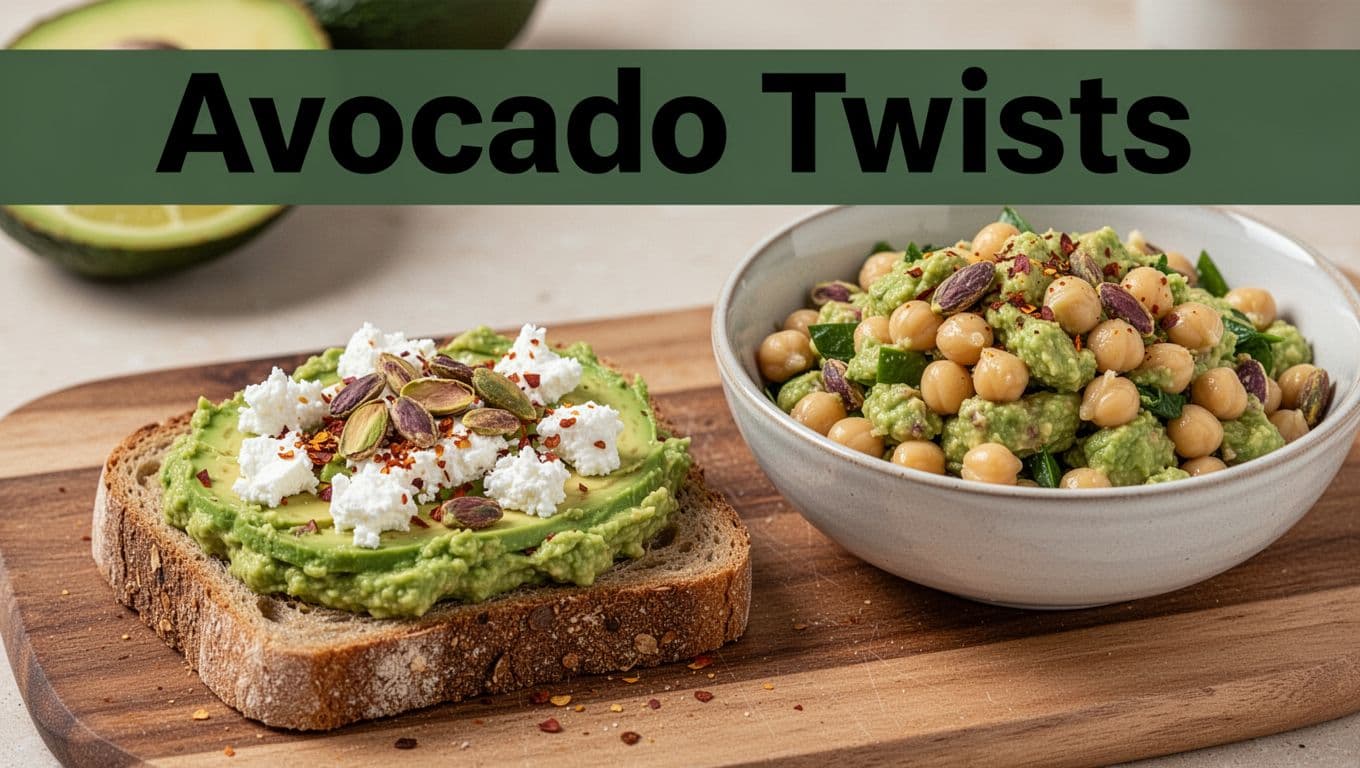
Toast bread, then mash 1 avocado with salt, lemon, and pepper. Spread it on toast.
Top with pistachios (or nuts), chili flakes, and farmer’s cheese if you like that salty finish. This combo gives you creamy, crunchy, and spicy, all in one bite.
For a salad-style potato and avocado pairing, you might also like Avocado Potato Salad from Yum N Tasty. It’s a useful reference when you want the same ingredients to feel fresh and bright.
Variation: Add chopped chickpeas on top for extra protein. If you want fermentation flavor, mix a spoon of chopped pickles into the avocado mash.
Smart Tips to Remix Any Ingredient into Endless Meals
One-ingredient cooking works because you repeat a few smart moves. Once you do it a couple times, your brain starts planning meals automatically.
Here are practical tips you can use right away:
- Cook a “base flavor” and reuse it. Example: cumin plus lemon turns chickpeas into snacks and bowls.
- Freeze portions while they’re fresh. Roast extra chickpeas, then freeze for fast salad crunch later.
- Swap heavy mayo for yogurt. It keeps creaminess, adds tang, and helps stretch sauces.
- Add fermentation for instant depth. A spoon of fermented paste can replace long cooking steps.
- Plan a one-ingredient Sunday. Pick one staple, then make two dishes from it.
- Keep a “mix-and-match” topping drawer. Nuts, herbs, chili flakes, and citrus make leftovers taste new.
- Use leftovers creatively, not timidly. Hummus becomes a sandwich spread, and curry becomes a rice bowl.
The goal isn’t to cook fancy. It’s to cook what you already own, then change how it shows up.
If you’re not sure where to start, pick the ingredient you always forget at the back. Then ask, “What can this become: creamy, crunchy, and saucy?” That three-part framework takes the guesswork out.
Conclusion: Turn Half-Used Pantry Finds into Real Meals
That half-used can in your pantry is not a problem. It’s just one ingredient waiting for a plan.
Chickpeas become dip, snacks, and curry. Eggs turn into scrambles, fried rice, and baked breakfasts. Potatoes and avocados bring comfort plus bright flavor, with easy healthy swaps like yogurt and tangy fermented add-ins.
Now pick one ingredient you already have this week. Try two recipes from the ideas above, and give yourself credit for using what you bought.
What’s the one ingredient you want to stop wasting, starting right now?