Food waste at home adds up fast, and the cost hurts twice. In 2026, US households waste about 43% of all food waste in the country. That’s roughly $1,500 per family of four each year, based on 31.9% of purchased food thrown out.
The good news? Cooking methods can stop waste before it hits the trash. When you cook parts you’d normally toss, you get new flavors, fewer leftovers that go bad, and more meals out of the same groceries.
Many home cooks are already shifting. In 2026, 45% use leftovers more effectively, and 40% watch fresh foods closer to avoid spoilage. So what if your kitchen habits matched that effort with a smarter way to heat and cook?
Next, you’ll learn practical cooking approaches that rescue scraps, slow down spoilage, and turn “almost gone” produce into dinner-worthy food.
Turn Kitchen Scraps into Tasty Meals with Root-to-Stem Tricks
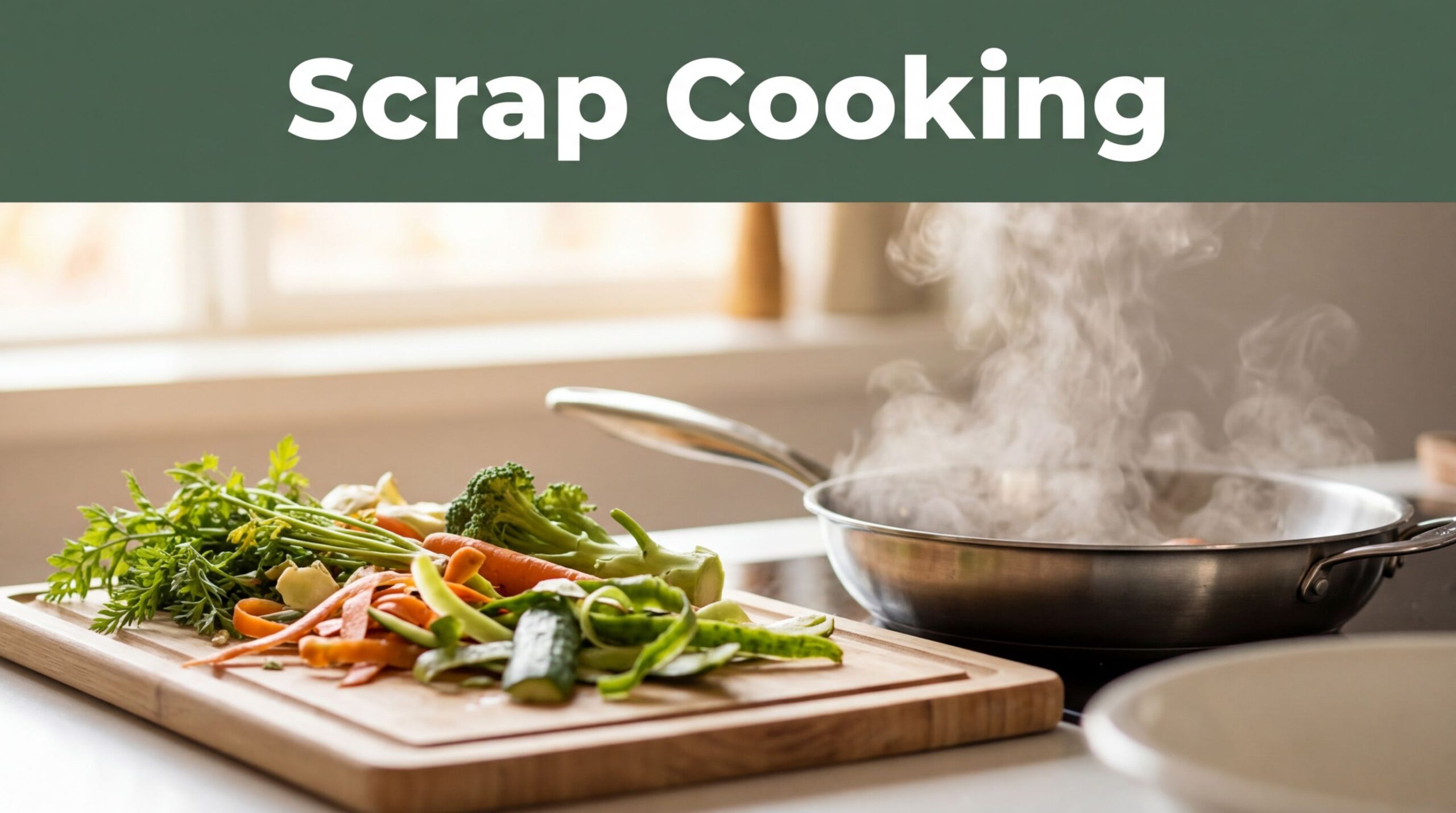
Think of your veggies like a book. The “main character” is the part you usually cook, but the best stories are often in the extras. Root-to-stem cooking helps you use the whole plant, so less ends up in the bin.
When you plan your cooking around scraps, you change the whole waste equation. You don’t need fancy tools. You just need a few reliable swaps and a quick mental list of what each part can become.
For deeper inspiration, check out root-to-stem cooking ideas that make it easier to use stems, tops, and ends.
Here are waste-friendly upgrades that feel surprisingly normal once you try them:
- Stems and stalks: Chop kale or broccoli stems for soups. Roast broccoli stems until they taste nutty.
- Greens and tops: Sauté radish tops. Use wilted salad greens for pesto-style sauce.
- Seeds: Roast pumpkin seeds with salt and spices.
- Peels: Bake potato peel chips. Dry apple peels for snacks.
- Veggie ends: Save trimmings for stocks and broths.
You can also rescue “almost-there” items by changing the recipe, not the ingredients. Stale bread can become croutons or a quick pasta-style dish. Overripe fruit turns into muffins or smoothies. Extra vegetables can become pickles, then reappear in wraps and bowls later.
A great example is how chef Massimo Bottura helped popularize bread-based pasta concepts, where stale bread becomes something warm, creamy, and satisfying instead of trash.
The key is simple: treat scraps like ingredients, not leftovers.
If you choose to eat peels, scrub well first. However, skip peels if they’re waxed, dirty, or grown in a way you can’t trust.
Revive Stems, Greens, and Tops No One Thinks to Eat
Some parts are “invisible” because old cooking habits train you to ignore them. Chard stems, broccoli texture, beet tops, and radish greens are all edible and flavorful, especially when heat brings out sweetness.
Start with low effort. Chop stems small, so they cook fast. Then pair greens with something bold, like garlic, chili flakes, or lemon.
Quick, actionable ways to use these parts:
- Sauté chard stems, then fold in greens
Cook chopped stems in oil first. When they soften, add chopped greens. Finish with a squeeze of lemon. - Broccoli stem “slaw” (grate and dress)
Grate leftover broccoli stems (and some florets if you want). Toss with vinegar, salt, and a little mayo or yogurt. - Beet tops in salad or quick kimchi
Chop beet greens. Sauté them briefly, then use them like salad greens. Or toss with salt and chili flavors for a fast, tangy bite.
If your greens look wilted, don’t panic. Wilted doesn’t mean spoiled. In many cases, it means they just need heat or a quick blend with something creamy.
For wilted greens, stir-fry works best. Also, a blender can turn tired greens into soups. Add a handful to a broth pot and let it fade into something smooth and warm.
The best part is that these methods don’t just reduce waste. They also add texture and flavor variety. Your meals feel less repetitive, even when ingredients repeat.
Peels and Skins That Make Crunchy Snacks
Crunchy snacks are one of the easiest places to fight food waste. Peels can turn into chips, crisps, and toppings that give food a new texture.
Try this idea first: treat peels like a second harvest. Instead of tossing the “outer layer,” bake, fry, or dry it until it becomes snackable.
Two simple options:
- Potato peel chips: Scrub peels, toss with oil and salt, then bake until crisp.
- Apple peel snacks: Dry peels and dust with cinnamon. They work like a light treat.
You can also keep things savory. Carrots taste good when you eat them whole, and cucumber peels can work in recipes like tzatziki, as long as the cucumber is clean and you’re okay with the texture.
Safety matters here. Peels can carry dirt and wax. Always scrub well, and if you don’t know the source, skip the peel and cook around it instead.
If you’re unsure about peel quality, roast the inside and compost the outside.
Once you start making peel snacks, you’ll notice another benefit. Crunchy extras make simple meals feel “finished.” A baked potato becomes a complete dinner when you add crisp peel chips on the side.
Broths and Stocks from Odds-and-End Veggie Bits
Broth is the quiet hero of low-waste cooking. It uses small, leftover pieces that won’t work in a main dish. Plus, it boosts flavor without extra shopping.
Onion skins, fennel stalks, carrot tops, celery ends, and herb stems can all simmer into a pot of stock. The method is simple: add water, simmer, strain, and use.
If you want a recipe-style example, vegetable scrap fritters show how leftover solids can become a second dish, not just “broth leftovers.”
Here’s how to keep it easy:
- Collect scraps in a freezer bag
Add onion ends, herb stems, and veggie trimmings as you cook. - Simmer long enough to pull flavor
A gentle simmer helps extract taste from tough bits. - Strain and reuse
Use the liquid for soups, rice, and sauces. Save solids for fritters or mix-ins.
You can also use stale bread in broth-based ideas. Tear bread into a soup at the end, or toast it for crunchy croutons. Bread won’t “replace” stock, but it can stretch meals and reduce what you toss.
Broth also helps your other cooking choices. When you make stock, you can cook faster, season more confidently, and avoid buying another base product.
Batch Cook and Plan Ahead to Stop Spoilage Before It Starts
Waste often starts in the fridge, not the trash. When meals are scattered, produce gets forgotten, then one ingredient goes bad and the whole plan breaks.
Batch cooking fixes that by turning “one dinner” into “two or three opportunities.” It doesn’t mean cooking nonstop. It means cooking strategically, then repurposing.
For a practical guide to week-ahead planning, this batch cooking basics article breaks down how to plan meals without throwing ingredients away.
In 2026, the focus is simple: cook what you have. That means you shop with what’s already in your kitchen in mind. Then you cook in a way that keeps ingredients usable longer.
A good batch plan has three parts:
- Pick recipes that share ingredients (so you don’t buy extra).
- Choose foods with good “reheat life” (soups, grains, roasted veggies).
- Portion for real schedules (some meals should freeze, not just refrigerate).
When you plan, ignore strict best-by panic. Those dates often refer to peak quality, not instant danger. Use your senses first. Smell, taste test carefully, and when in doubt, compost or trash.
A simple 3-day low-waste plan could look like this:
- Day 1: Lentil chili with roasted onions, carrots, and peppers
- Day 2: Chili over rice, with sautéed greens mixed in
- Day 3: Chili into baked potatoes or wraps, plus a fruit snack side
If your soft fruit is close to the end, turn it into muffins or blend it into smoothies. Then use your fridge space for what can actually last.
Build a Waste-Fighting Weekly Meal Template
Templates make planning feel less like a chore. Instead of starting from zero every week, you repeat a simple structure.
Try this weekly flow:
- Lunch base: A grain bowl that works hot or cold
- Dinner anchor: One big pot recipe (soup, chili, curry, stew)
- Quick backup: Stir-fry or frittata built from scraps
This keeps you from buying random extras. It also gives you a “default” dinner when you’re tired.
Use one template like: Meatless Monday lentils. Stir-Fry Friday with mixed veggies. Then a weekend roast when you have more time to prep.
To make this even easier, consider a structured plan like zero-waste meal planning for 2026. It focuses on using what you already have and building reuse into the week.
Repurpose Leftovers into New Family Favorites
Repurposing isn’t trickery. It’s food recycling with flavor. Most leftovers fail because people reheat them exactly the same way.
Instead, change the form:
- Curry to nachos (add crunchy chips, cheese, and a lime squeeze)
- Roasted veggies to wraps (warm them with beans or hummus)
- Chili to baked potatoes (add fresh herbs if you have them)
Freezing helps too. Portion leftovers into single-meal containers. Then grab and reheat instead of letting “future you” guess.
A simple rule: if you won’t eat it in the next two days, freeze it. That one decision prevents a lot of last-minute trash runs.
Also, don’t forget small leftovers. A few spoonfuls of sauce can become the base for a quick soup. A handful of greens can drop into eggs.
When you repurpose leftovers often, your brain starts thinking this way automatically. You’ll start cooking with reuse in mind, not disposal in mind.
Quick Heat Methods That Rescue Past-Prime Produce Fast
Sometimes the best way to reduce waste is to cook immediately. When produce gets a little too soft, you don’t need a fancy plan. You need a fast method that transforms texture.
Because the goal isn’t “save everything unchanged.” The goal is to turn it into something tasty.
For rescue cooking, focus on three heat styles:
- Roasting (adds depth and reduces water)
- Stir-frying (uses high heat and quick cooking)
- One-pot meals (smothers fragility in sauce)
Quick heat is also practical. It means fewer cleanup steps, and you can cook scraps right along with “main” ingredients.
For extra inspiration on stir-fry thinking, freestyle stir-fry ideas from Zero-Waste Chef show how inventory-first cooking cuts waste.
Roast Your Veggie Odds and Ends for Flavor-Packed Bowls
Roasting is great when veggies are close to their limit. Heat concentrates flavor. Also, roasting can handle stems, ends, and mixed sizes better than you’d think.
Roast method basics:
- Chop everything into bite-size pieces.
- Toss with oil, salt, and a bold spice.
- Spread in a single layer so it browns.
You can roast odds-and-ends together. Broccoli stems, fennel, carrot chunks, and onion ends all get along on a sheet pan. When they come out, assemble bowls with rice, beans, or a simple sauce.
One trick: use stems as “dense” add-ons. Greens can go on the side and get wilted after roasting. That way you avoid overcooking them.
Roasting also helps with leftovers. A roasted pan can feed you for two meals. Day 1: bowl. Day 2: wrap or pasta mix-in.
Stir-Fry Scraps for Crisp, Quick Dinners
Stir-fry works like a rescue boat. It moves fast, cooks in thin layers, and saves things that might otherwise turn slimy.
Use high heat, then cook in stages:
- Start with firm items (stems, chopped roots).
- Add softer greens last.
- Finish with a sauce that clings (soy, ginger, garlic, citrus).
Broccoli stem stir-fry is a perfect example. Chop finely, then cook hard and quick. Even slightly past-prime stems can turn tender without losing their bite.
Also, stir-fry makes it easy to use small amounts. You can combine a few spoonfuls of leftover rice with scraps for a quick dinner.
Keep cleanup simple by using one skillet and prepping ingredients in small bowls. When you’re rushed, that setup matters.
One-Pot Meals That Hide Waste in Delicious Stews
One-pot cooking is where “almost too far gone” ingredients go to become dinner. Soups, stews, casseroles, and chili are forgiving. They soften tough bits and mix flavors together.
Try these one-pot ideas:
- Soup with onion skins and herb stems for extra flavor
- Stew with chopped veggie ends (even mixed sizes)
- Frittata that uses whatever greens you have
Scrap frittatas work well because eggs hold everything together. If your greens are wilted, stir them into the egg mixture and cook until set. Add cheese if you use it, or finish with pepper and lemon.
One-pot meals also prevent waste in the “leftover stage.” If you make a soup, it keeps better than a delicate salad. Then you get a second meal without cooking twice.
And when you do end up with something truly unusable, compost is your final stop, not your first.
2026 Trends and Extra Habits for Your Zero-Waste Kitchen
In 2026, kitchens are changing to make waste less likely. More home cooks use features like built-in compost spots and fridge systems that make it easier to track what’s inside. Even small upgrades help you see food sooner.
The strongest trend is behavioral. People check the fridge first, then choose recipes that fit what needs using. That’s the “cook what you have” mindset.
On the habit side, keep it realistic:
- Sort as you go so scraps don’t sit in a messy pile
- Portion and freeze so future meals exist
- Compost what you can’t eat instead of tossing it randomly
If you’re aiming for less waste in 2026, the biggest win is consistency. Use the same approach weekly, then adjust as you learn.
Conclusion
Food waste often comes from timing, not effort. When you use scrap-friendly cooking methods, you turn “nearly gone” ingredients into real meals.
Root-to-stem cooking helps you use the whole plant. Batch cooking slows spoilage before it starts. Then quick heat methods rescue produce fast when your plans shift.
Pick one change for the next week. Try one scrap recipe, freeze one portion, or cook one sheet-pan roast. Then watch how much stays out of the trash.
If your kitchen starts saving food instead of losing it, your wallet and the planet both feel the difference. What scrap are you going to try first?