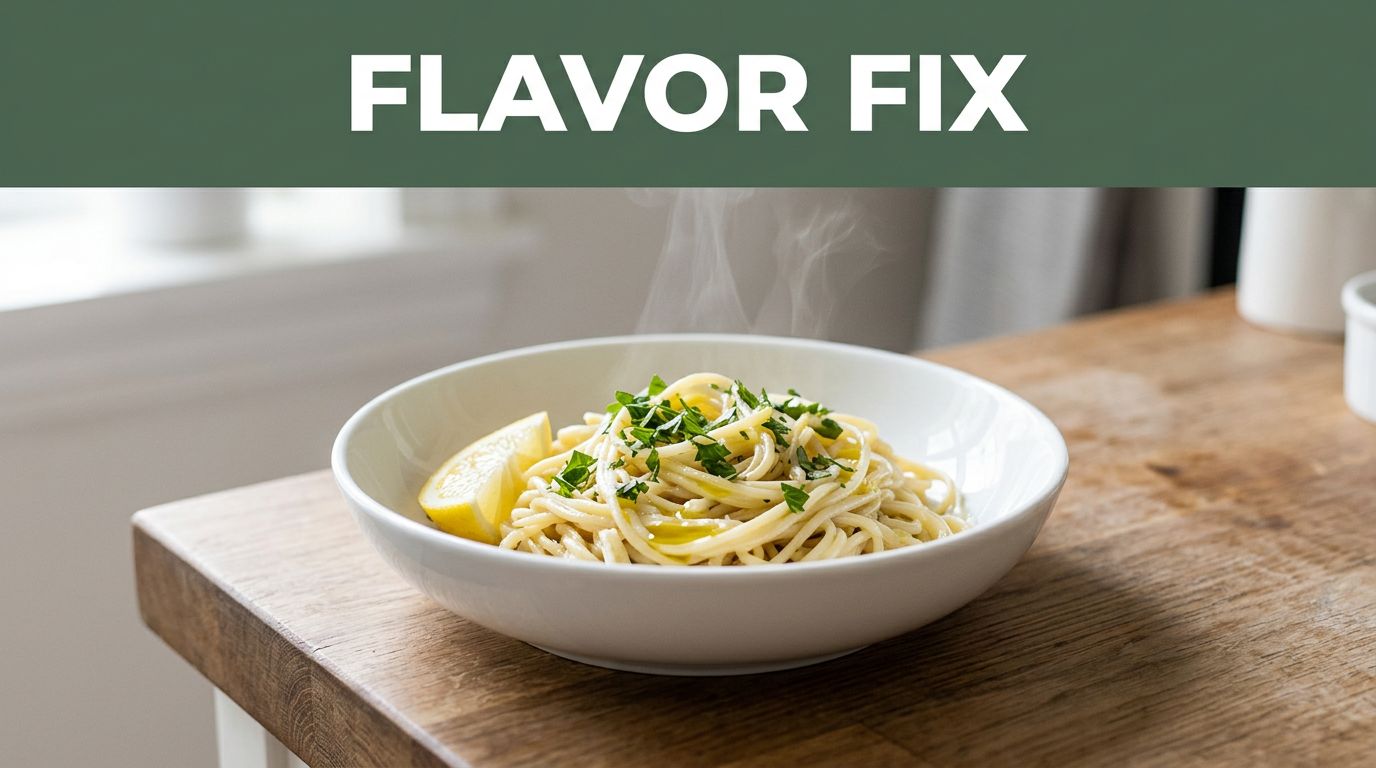
You tried to save money at the grocery store, so you grabbed budget staples, then sat down to a bowl of pasta or rice that tasted flat. It happens a lot right now, since food-at-home prices are still up (about 2.4% through February), and you end up stretching portions and picking cheaper items.
Most bland bites come from the same few slip-ups, like using only salt and pepper, skipping acids that brighten flavor, or cooking cheap cuts too long so they dry out. The good news is you don’t need expensive upgrades, you just need better timing and simple flavor building blocks.
Next, you’ll learn the main reasons budget meals taste bland, plus low-cost fixes you can try with pantry spices, acids like lemon or vinegar, and smart cooking tricks.
Sneaky Reasons Your Cheap Meals Fall Flat
Budget meals are not doomed. In fact, staples like rice, pasta, and potatoes stay affordable in 2026 for a reason: they’re easy to buy and they stretch. The problem starts after you open the bag. If the flavors don’t build, your dinner tastes like “food,” not “a meal.”
Think of flavor like a campfire. You need a few small sparks to get it going. When you skip them, everything stays dim, flat, and forgettable.
Plain Ingredients Without Natural Zest
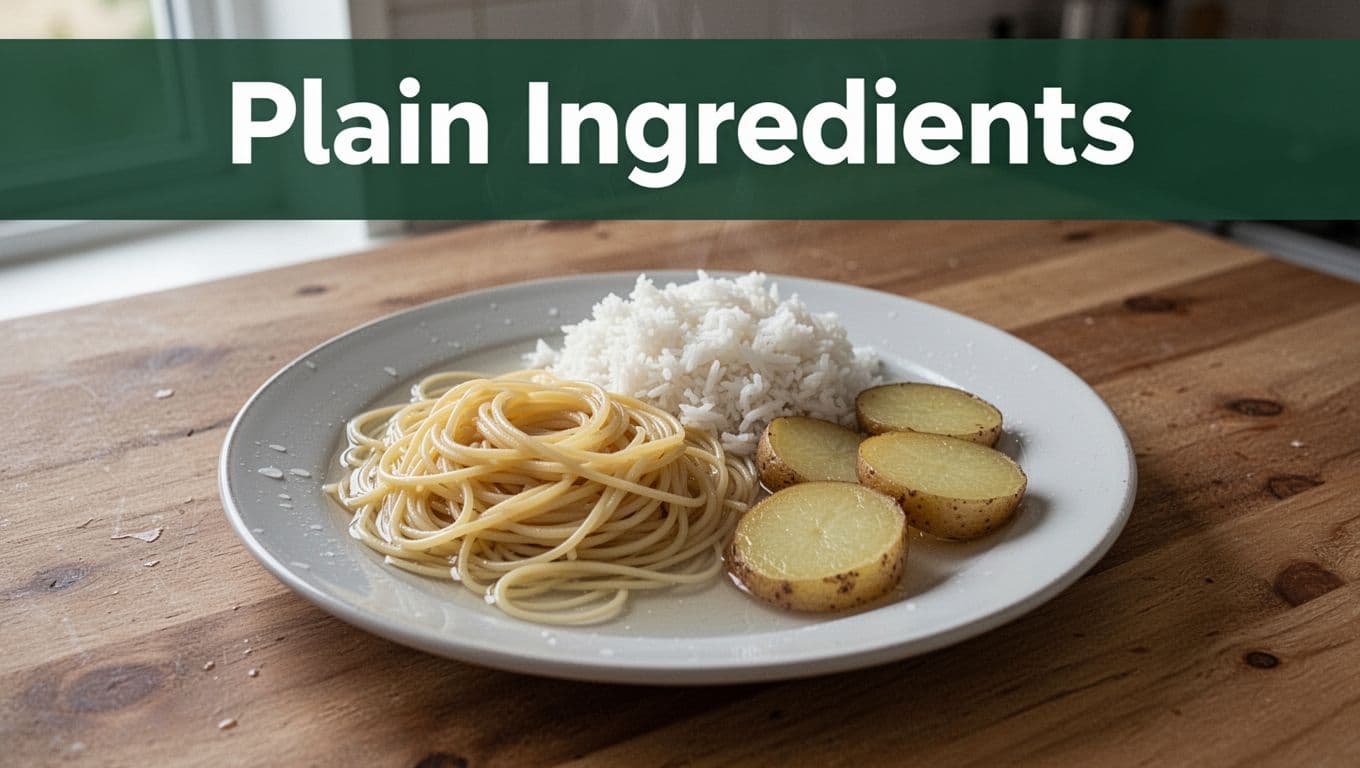
Pasta, rice, and potatoes start off pretty quiet. They bring texture, not taste. Cook them in plain water, and you’re basically serving a sponge. It soaks up liquid, but it doesn’t add much of its own flavor.
Even “watery” veggies can feel bland when you buy what’s cheapest and eat them the same way every time. Carrots, zucchini, cabbage, and even spinach can taste muted if you blanch fast and stop there. The heat can make them tender, but it doesn’t always pull out sweet notes or build savory depth.
A quick example from real budget shopping: you grab a bag of rice and a few onions are either pricey or you skip them. Then you boil everything, stir, and call it done. The food turns soft, but it never becomes flavorful. That’s not your fault, it’s just basic ingredients doing what they do best: holding space on your plate.
Most budget shoppers grab these first because they’re filling and usually stable in price. In the current grocery squeeze, staples like potatoes and rice help you stay on track. However, they still need help to taste exciting.
Here’s what “help” looks like in practice:
- Use aroma as your first flavor: start with onion, garlic, or even a spoon of dried onion.
- Add a flavor-carrying agent: oil, butter (if you use it), or even a small amount of broth.
- Salt the cooking step: plain starch needs seasoning to stop tasting like starch.
- Finish with brightness: lemon juice or vinegar wakes up mild flavors fast.
If you ever wonder why “plain” turns out boring, it’s usually because nothing in the pot had time or support to taste like something.
Skipping Key Seasonings and Spices
Salt and pepper aren’t “extras.” They’re the volume knobs for taste. Without them, your food can taste like it’s missing a whole layer. Then you add hot sauce or ketchup at the table, and it still feels off. That’s because the base never got built.
A lot of cheap-meal flavor failures come from using only one seasoning and hoping it covers everything. For example, you might use garlic powder, but you skip salt. Or you add pepper, but you never add onion flavor. Result? The meal tastes flat, not “light.”
Also, budget-friendly seasonings get treated like they don’t matter. Dried oregano feels optional. Garlic powder gets sprinkled lightly. Salt gets added at the end, when it can’t spread through the food.
Try this mental model: seasoning is like seasoning paint. You can’t make a bland color look rich by adding one tiny drop at the end. You have to mix it in, layer by layer, while cooking.
Even small pinches can change the whole dish. Start with:
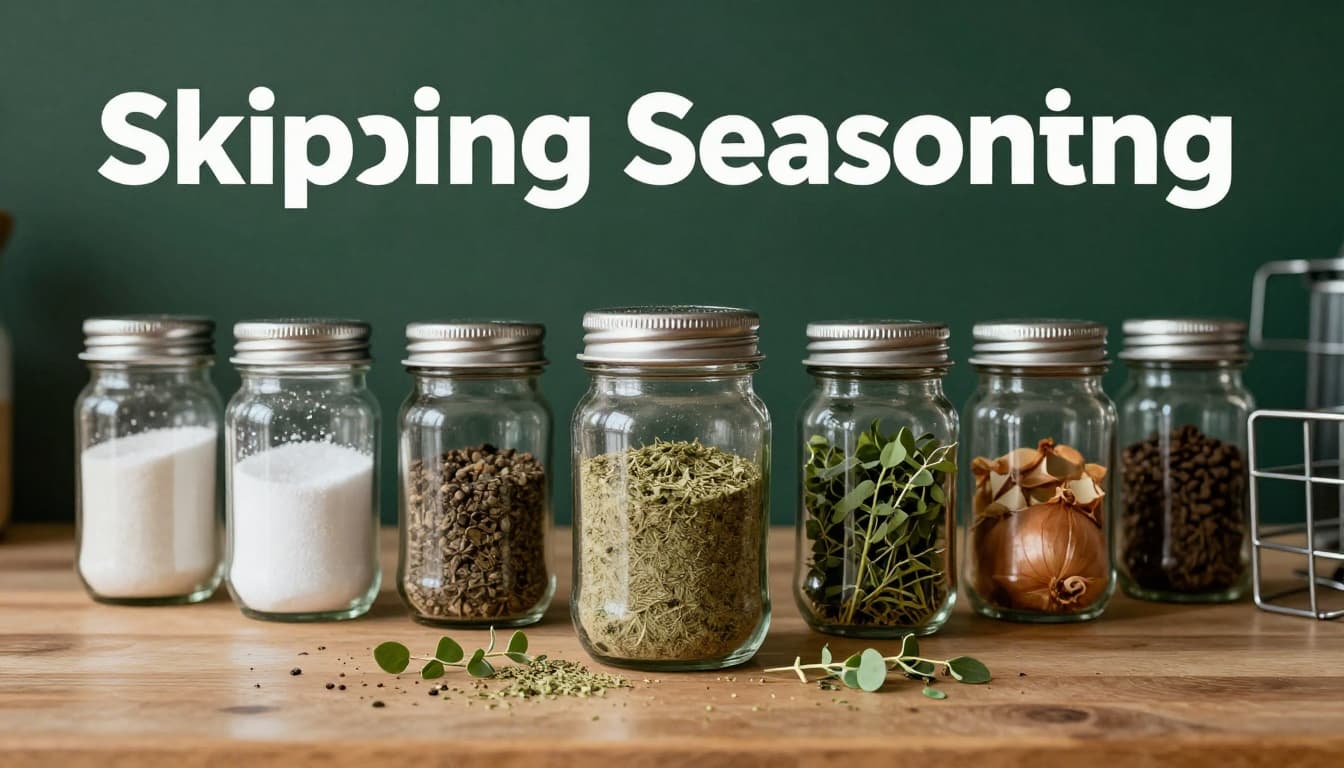
- Salt early and in layers (even a little in the cooking water helps starches)
- Pepper for warmth (especially with potatoes and rice)
- Garlic powder or dried garlic for an instant savory lift
- Dried onion or onion powder when fresh onions feel too expensive
- Cheap herbs like oregano or Italian seasoning for “done right” flavor
If you want a simple refresher on quick flavor fixes, 6 Easy Ways to Make Everyday Food Taste Better is a good reminder that small seasoning habits matter.
Rushed Cooking That Kills Depth
Quick cooking methods can work, but rushing can also flatten flavor fast. If you cook rice and dump the seasonings right away, you lose time for flavors to sink in. If you boil pasta then drain immediately, you miss a chance to coat it so it tastes seasoned, not just cooked.
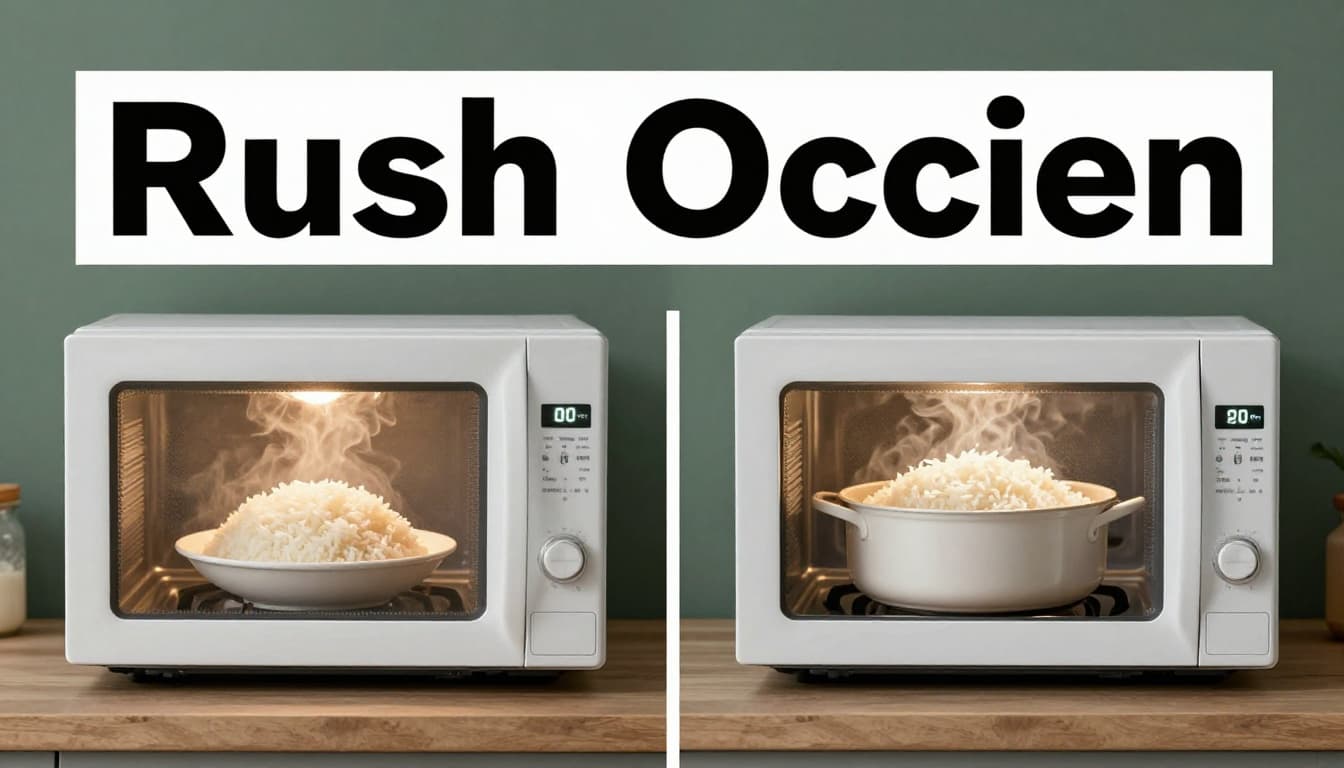
Microwaves are common for speed, especially after work. However, microwave cooking often steams food without letting it brown or simmer. Browning adds a deeper flavor. Simmering helps sauces cling and flavors meld.
Here’s the kitchen reality: heat does two jobs. First, it cooks. Second, it develops flavor. If you only do job one, your meal can taste like the ingredients met each other briefly and then left.
A short boil is a prime example. If you start with onions, garlic, or spices, they need a little time with heat to give off aroma. Skip that, and your garlic powder just sits there, tasting chalky instead of rich.
You don’t need hours. You do need a better rhythm. Even 5 to 10 extra minutes can help, especially when you:
- Sauté aromatics before adding water or broth.
- Simmer a sauce long enough to thicken slightly.
- Let starches finish in the sauce when possible.
If you want your meal to taste more “real,” give it a moment to finish cooking in flavor, not just in heat. That small timing shift turns bland into “oh, this is good.”
Low Fats and Wrong Ratios
Flavor needs a carrier. That’s why plain boiled rice feels so different from rice cooked with a bit of oil or mixed with a savory sauce. Fats help flavors travel, stick, and round out harsh notes. They also make spices taste fuller.
This is where budget meals go wrong. People often cut back on oil, butter, or cheese because they feel like “waste.” Sometimes that’s true when you go overboard. Other times, it’s the reason the food tastes thin.
If your meal has seasoning but no fat, the taste can come off sharp or watery. If it has fat but the ratios are off, it can turn greasy instead of tasty. The goal is balance, not absence.
Wrong ratios happen with “extra veggies” too. Adding a lot of watery ingredients can dilute flavor. For instance, a bowl of rice plus lots of zucchini and cabbage may taste mild unless you season the dish more and reduce excess liquid. Otherwise, everything tastes like cooked water.
Here are simple everyday fixes you can use right away:
- Add 1 to 2 teaspoons of oil when cooking rice or potatoes (not a flood).
- Stir in a small amount of butter or cheese at the end for a richer mouthfeel.
- If your dish looks watery, reduce the liquid for a few minutes on the stove.
- Season the liquid, not just the top. Salt, acid, and spices need contact with the cooking stage.
One more tip: if you use very lean cuts or low-fat products, you may need extra cooking time for flavor to build. Lean doesn’t mean tasteless, it just asks for more seasoning and a better sauce.
A lot of bland budget meals aren’t lacking food. They’re lacking proper fat, proper season, and proper balance. When you fix that ratio, the same cheap ingredients start tasting like they were planned.
Kitchen Hacks to Make Budget Eats Pop
Budget meals get bland for a boring reason: flavor never gets a chance to build. The good news is you can fix that with a few cheap moves you can do today. Think of it like strengthening a weak foundation. If you build flavor early and finish with the right “top notes,” your food tastes planned, not improvised.
Here are four high-impact hacks that turn basic rice, pasta, beans, and cheap veggies into meals that feel satisfying.
Layer Flavors Right from the Start
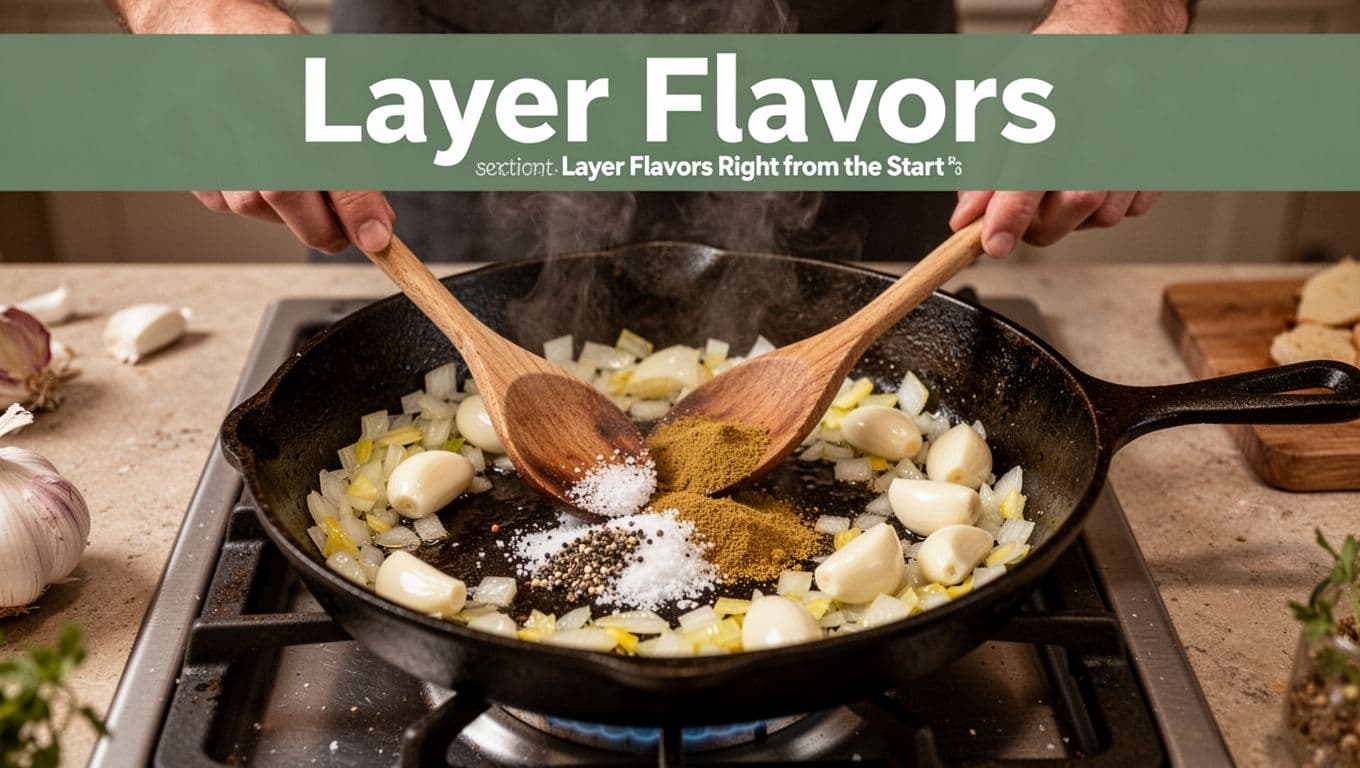
Start flavor the moment the pan heats up. If you wait until the end, you lose depth. Instead, treat onion, garlic, and spices like the first notes of a song. They set the mood for everything that follows.
A simple rule works every time: sauté aromatics first, then add seasonings, then add your liquid. For most budget meals, begin with:
- Onion (diced) for sweetness and body
- Garlic (minced) for sharp, savory bite
- Salt and black pepper to wake up the starch
- Cumin (or smoked paprika) for warm, steady flavor
If fresh onion feels pricey, use frozen or dried onion. You can also start with onion powder. The key is timing, not fancy ingredients.
When people say their food tastes “flat,” it often means they skipped the early stage where seasonings bloom. Warm spices taste richer. Raw spices taste harsh. That’s why cumin shines in hot oil, butter, or even a splash of cooking fat.
You can keep this budget-friendly by stocking affordable jar spices. Many bulk or ethnic stores sell $1 to $2 jars (or similar deals) that last months. Look for staples like onion powder, garlic powder, cumin, and dried Italian herbs. Those jars pay off because you use them in almost everything.
Here’s a quick “budget base” you can repeat:
- Heat a tablespoon of oil in a pot or skillet.
- Sauté onion 2 to 4 minutes until it smells sweet.
- Add garlic for 30 seconds (just until fragrant).
- Stir in cumin (and pepper) for 20 to 30 seconds.
- Add your rice, pasta, or veggies, then your cooking liquid.
For example, if you’re making rice, don’t just boil it. Sauté onion and garlic first, then toast cumin, then cook the rice. The rice ends up tasting like it belongs in the dish, not like a side that missed the memo.
If you want a credible reference for seasoning habits, America’s Test Kitchen breaks down how salt and acid change flavor perception in everyday cooking: Seasoning Tips for Improving Flavor.
Brighten with a Splash of Acid
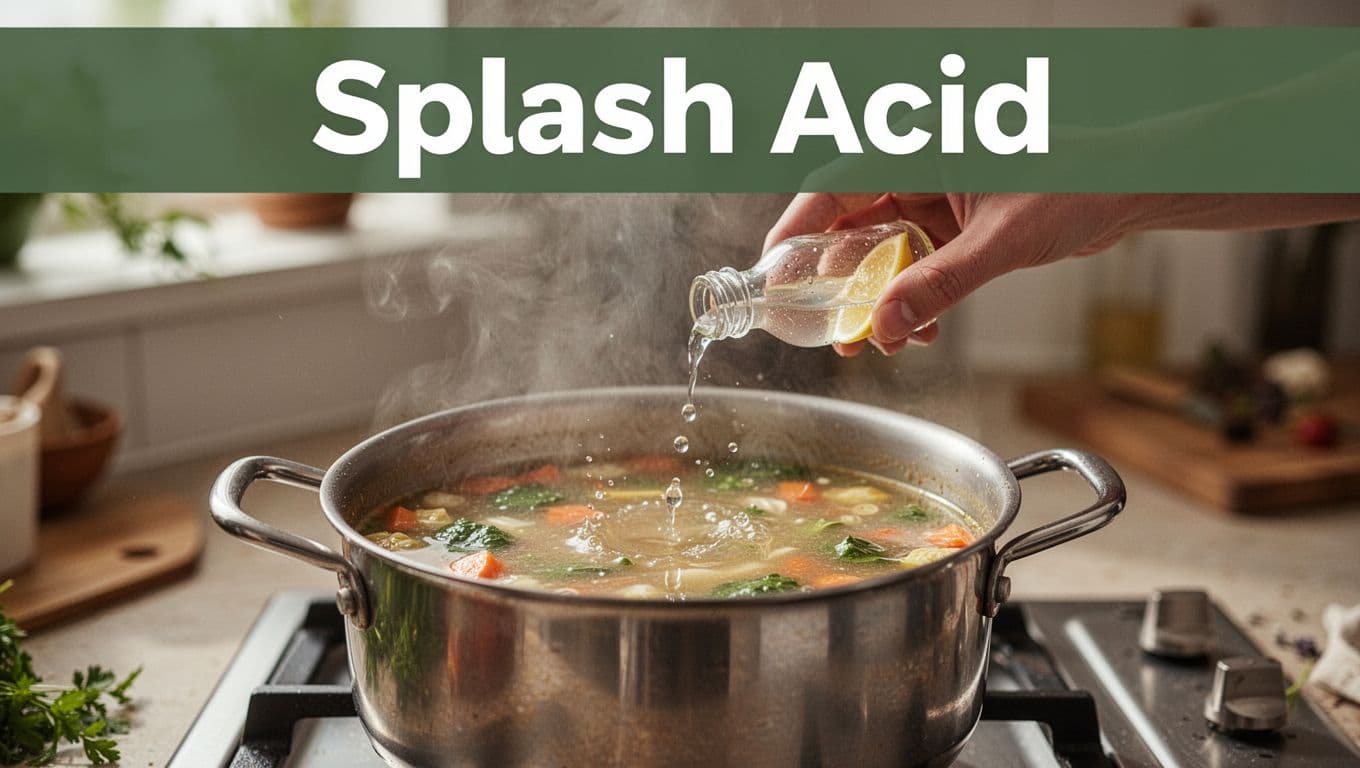
Salt builds flavor, but acid makes it pop. Without it, meals taste heavy, even when they’re seasoned. Acid gives you that “clean edge” that makes cheap ingredients taste fresh.
You don’t need expensive citrus. Pantry acid works. Use:
- Vinegar (white, apple cider, or even rice vinegar)
- Lemon juice (bottled or fresh)
- Plain yogurt (stirred in at the end)
Think of acid like a bright light over a photo. Everything still looks like itself, but it suddenly looks sharper.
Add acid at the right moment. If you dump lemon into boiling sauce, you can dull the flavor. Instead, add it near the end. Stir, taste, and adjust.
Acid works great in simple meals like these:
- Soups: Add 1 to 2 teaspoons of vinegar at the end, then taste.
- Rice bowls: Stir lemon juice into plain rice before adding toppings.
- Veggies: Toss roasted or steamed veggies with vinegar, then a pinch of salt.
- Stews: Finish with yogurt (1 to 3 tablespoons) for creamy tang.
One more trick: if your meal tastes dull and you can’t figure out why, acid is often the fix. It also helps when cheap ingredients taste slightly bitter, like cabbage or greens.
For a budget-friendly “acid ladder,” try this order:
- Taste first (even if you hate the blandness).
- Add a small splash of vinegar.
- Give it 30 seconds.
- Taste again.
You’re looking for brightness, not sourness.
If you want more quick flavor boosters, Homemade on a Weeknight has a simple list of everyday upgrades that work with pantry staples: 6 Easy Ways to Make Everyday Food Taste Better.
Unlock Umami and Richness
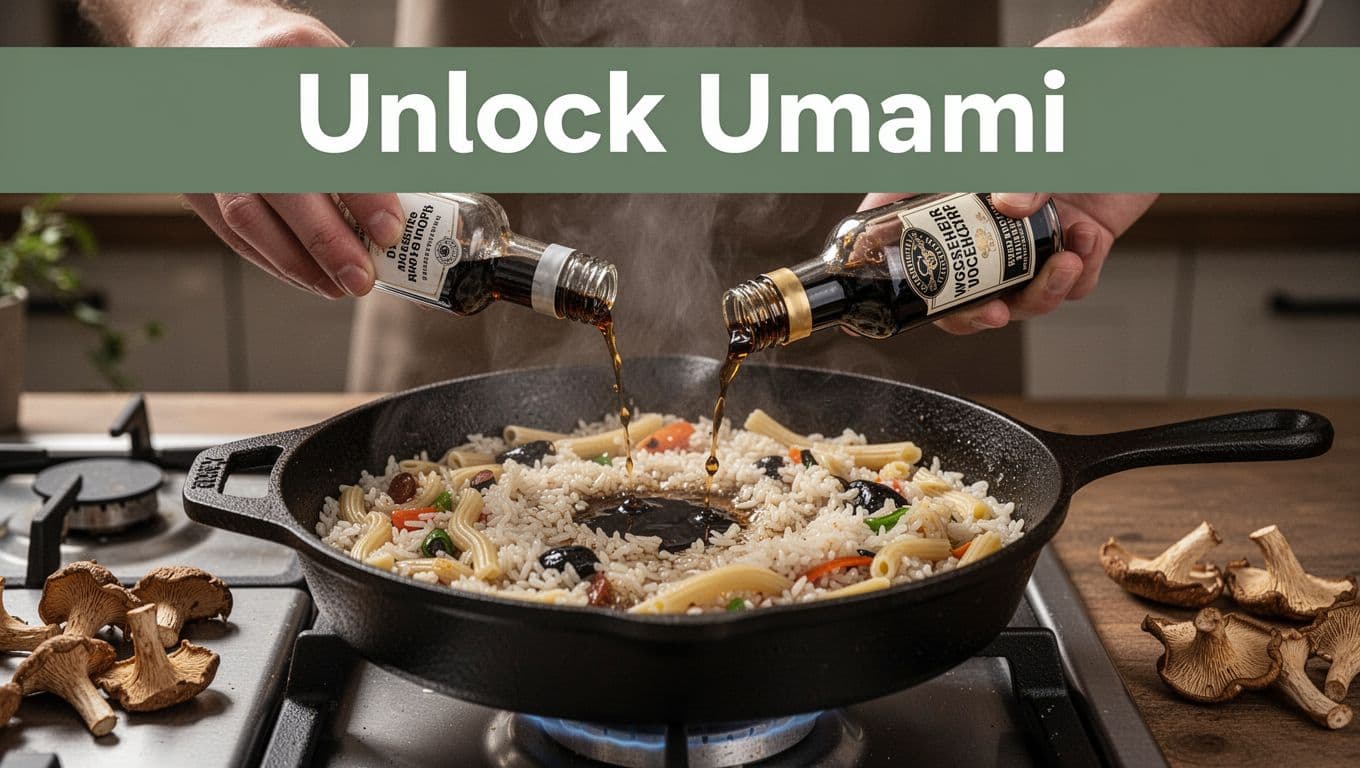
Salt and acid give you punch. Umami gives you staying power. It’s the “savory depth” that makes food taste satisfying, not just salty.
You can get umami cheaply with items most people already own, like:
- Soy sauce (a quick dash does a lot)
- Worcestershire sauce (slightly diluted for gentler flavor)
- Dried mushrooms (powdered or rehydrated)
- Cheese rinds (yes, the outer bit you’d otherwise toss)
If you rarely cook with mushrooms because they feel “fancy,” dried ones solve that. Rehydrate them in hot water for a few minutes, then use both the mushrooms and a splash of the soaking liquid.
Cheese rinds are another budget hack. Toss a rind into soup, beans, or tomato sauce as it simmers. The heat pulls out flavor slowly. When you finish, remove the rind and enjoy the deeper taste.
Also, don’t sleep on free boosts. When you have herb stems or wilted parsley, save them. Chop and simmer them briefly, then strain or stir them in. Eggs also help. If a dish tastes flat, whisk in an egg while it cooks through, or stir in a soft-boiled egg for extra richness.
Here’s how to use savory boosters without wrecking the cost or the flavor:
- Soy sauce: Start with 1 teaspoon for a pot of rice or soup.
- Worcestershire: Use 1 teaspoon, then taste.
- Mushroom soaking liquid: Add 2 to 4 tablespoons at the end.
- Cheese rind: Simmer 15 to 30 minutes, depending on the dish.
Meanwhile, stretching is part of smart budgeting. If you’re short on meat, add umami. It makes beans feel hearty. It also helps veggies taste less “only-vegetable.”
If you want a quick guide to pairing flavors for umami, use this as a reference point: 7 Simple Spice Pairings That Boost Umami In Any Dish.
Change Up Textures for Extra Appeal
Even when flavor is decent, texture can make meals feel bland. Crunch and browning add excitement fast. You don’t need a fancy side. Just change how your cheap ingredients move from “cooked” to “interesting.”
Carrots and onions are perfect for this. They’re affordable, and they roast well. When you roast them, you unlock sweetness and a deeper flavor without extra spending.
Try this simple texture upgrade:
- Carrots: Slice thin, toss with oil, salt, pepper, and cumin. Roast at high heat until browned at the edges.
- Onions: Roast or pan-fry for crisp edges, then sprinkle lightly over bowls.
This works because browned surfaces taste richer than steamed ones. Also, crunch hides mild flavors. It gives your mouth something to do besides chew blandness.
Meanwhile, you can fix “soft and sad” pasta or rice by adding a contrast. Add something toasted, crispy, or browned on top. Even garlic bread crumbs (if you have them) can help. Herb crumbs from dried bread can work too.
In a pan, you can also revive veggies. Cook them with a little oil until they get color. Then finish with a pinch of salt or a tiny squeeze of lemon.
Here’s a quick texture plan for budget bowls:
- Cook your base (rice, pasta, or beans).
- Add a soft element (simmered veggies or sauce).
- Add a crunchy element (roasted carrots, crisp onions, or toasted seeds).
- Finish with acid (a small splash of vinegar or lemon).
The whole meal feels louder. That’s what textures do. They make “cheap” feel intentional.
If you’ve ever wondered why your meal looks good but tastes muted, this is often why. Flavor alone might be there, but the texture never hits.
For an extra boost, pair textures with basic seasoning layering. Roasting draws out sweetness, and a small amount of salt and acid at the end tightens the taste.
When you change texture, you change the experience, not your budget.
Smart Shopping and Prep for Lasting Flavor Wins
Budget meals taste bland when flavor support runs out. That support comes from two places: what you buy and how you prep it.
If you shop with intention, you can find cheap building blocks. Then, once you prep them well, you can turn them into fast, satisfying meals all week. In 2026, with food-at-home prices still creeping up, this combo matters even more. The goal is simple: buy once, cook smarter, and let flavor stay in the food, not in your regret.
Hunt Bargains on Flavor Boosters
When money feels tight, you need small purchases that do big work. Start with places that sell flavor in the right formats.
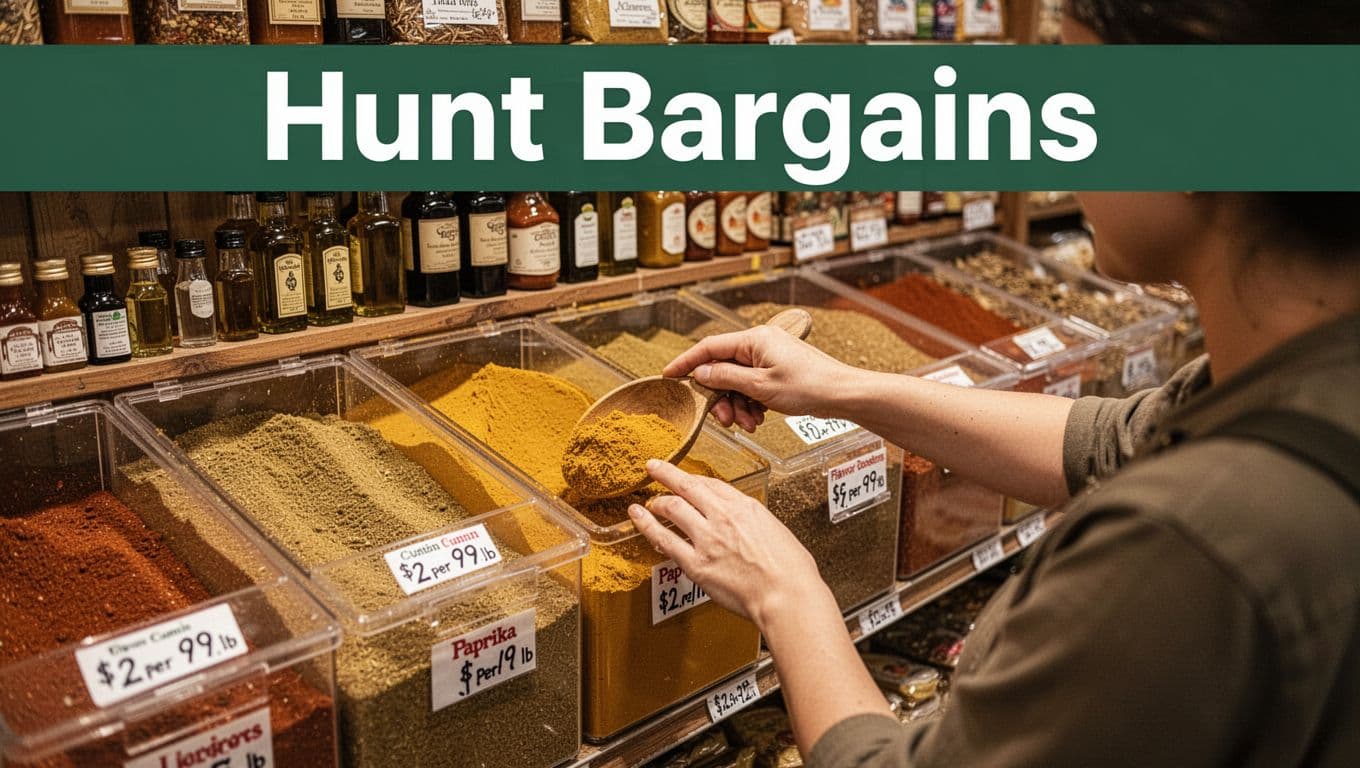
Look for ethnic markets and bulk sections, especially for spices. You’ll often find $2-or-less bulk bins for staples like cumin, chili powder, turmeric, and dried oregano. Even if the container looks humble, the payoff is huge because these spices hit the “flavor-per-bite” sweet spot.
Next, search for oils and sauces in smaller sizes. Whole bottles can feel expensive. However, smaller bottles or shop-brand options let you test flavors without committing your whole budget.
Here’s what to prioritize as “flavor boosters”:
- Bulk spices (buy by weight): cumin, garlic powder, onion powder, smoked paprika, black pepper
- Sauces that season fast: soy sauce, Worcestershire, hot sauce, vinegar-based condiments
- Oils in smaller sizes: olive oil for finishing, neutral oil for cooking, sesame oil if it fits your budget
- Dried umami add-ons: dried mushrooms, ramen seasoning packets (use sparingly), bouillon (check labels)
Bulk shopping helps because you waste less. You buy only what you’ll actually use. If you want an example of bulk shopping options, see Incredible Bulk deals at Oliver’s Markets.
Meanwhile, if your local store has bulk spice bins, treat them like a savings account. Pin down 5 to 8 “high-use” spices, then buy a small amount of each. Rotate as needed, and restock only when you run low.
For a different angle on bulk purchases, you can also browse Spice Tribe bulk clearance if that style of store fits your area and budget.
Also, keep your eyes on seasonal value. Spring and early summer often bring cheaper produce cycles, which means your spice buys go further when you can add fresh flavor too. In short, shop for flavor now, then cook with it later.
Master Prep to Save Time and Taste
Smart prep turns “cheap ingredients” into “planned meals.” You’re not trying to cook fancy. You’re trying to build flavor fast when you’re busy.
Think of meal prep like stocking your pantry with traffic lights. When everything is ready, you can control the flow of flavor. You’ll stop relying on last-minute shortcuts that often lead to bland results.
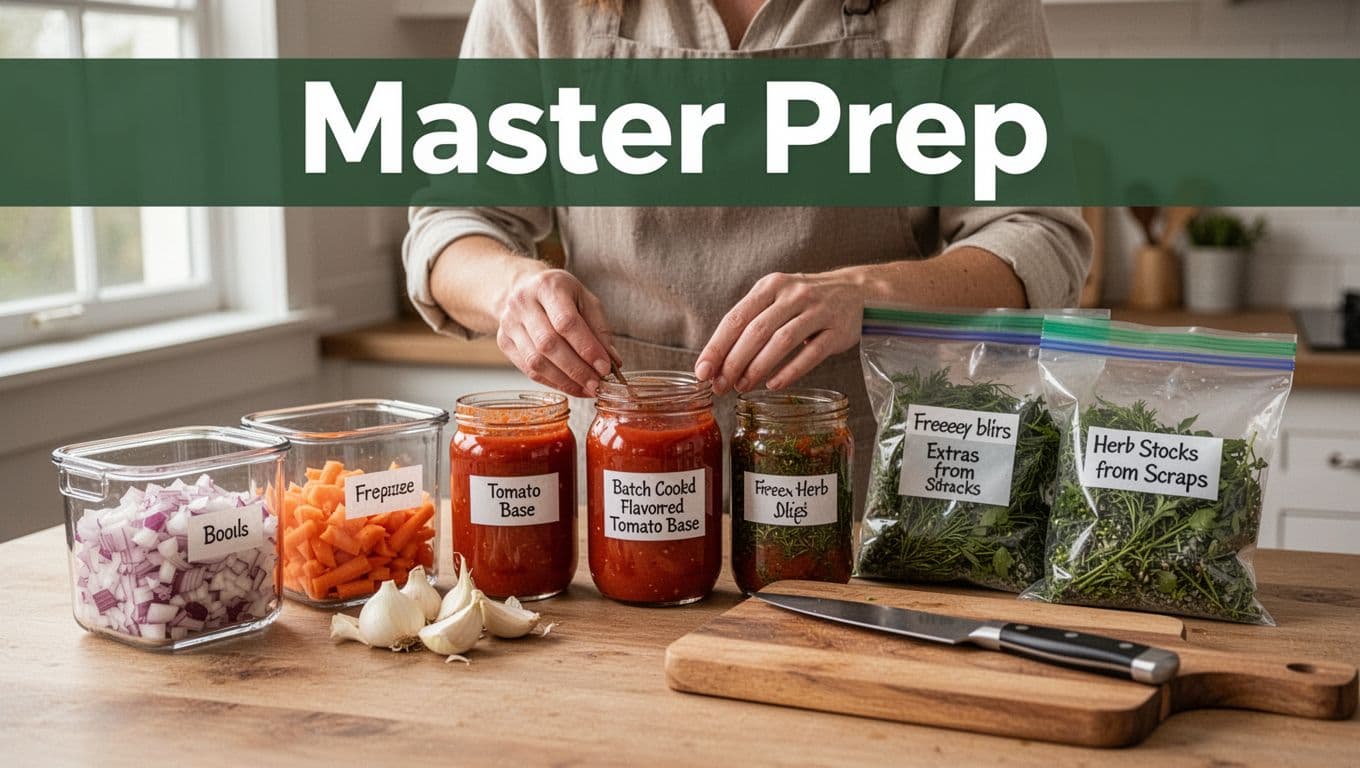
Start with chopping ahead. Chopped aromatics and vegetables reduce friction. As a result, you’ll actually sauté onions and garlic instead of skipping them.
Then, batch cook one or two flavored bases. A base is your flavor engine. It can be tomato sauce, a seasoned broth, or a simple pan sauce. Once you have it, you can change meals without changing effort.
Finally, freeze the extras. Freezing is how you buy time without buying more food waste. It’s also the easiest way to make weeknight meals taste like you tried.
Here’s a practical prep rhythm that fits most budgets:
- Chop one “flavor kit.” Do onions, garlic, and one cheap veggie (carrots or celery).
- Cook one batch base. Make a tomato base, a cumin-onion base, or a quick soy-broth base.
- Portion it for speed. Divide into freezer bags or small containers.
- Freeze for later. Use within a few months for best taste.
To make those bases work for bland-to-bold meals, add flavor in stages when you cook. Sauté aromatics first, season while the pan is hot, then simmer. When you freeze and reheat, that built flavor stays behind.
Don’t forget scraps. Vegetable ends, onion peels (from uncoated onions), and herb stems can become a quick stock. You won’t taste “scraps” once you strain and season. Plus, you’ll reduce food waste, which matters when your budget is already stretched.
You can keep it even simpler by doing “small prep,” not full cooking marathons. For example, chop enough onion for two dinners, then prep one base. That’s it. Start small, then build the habit.
Here’s what to prep for maximum flavor payoff:
- Pre-chopped onions and garlic for quick sauté flavor
- Cooked rice or pasta portions (if you prefer) to reduce re-cook time
- Batch tomato base with onion, garlic, salt, and dried herbs
- Frozen herb extras (chopped parsley, cilantro stems) for fast finishing
- Small stock cubes from scraps (frozen in portions)
When you reheat, finish with something bright. A squeeze of lemon or a splash of vinegar can make a frozen base taste fresh. Think of it like adding the final note to a song. It doesn’t fix the whole track, but it makes the whole thing sound right.
Conclusion
Budget meals often taste bland because flavor support gets missed at the start, not because your ingredients are “bad.” When you skip layered seasoning, salt timing, or a little brightness, the meal stays flat, even if you cooked everything correctly. Since food-at-home prices are still up (about 2.4% through February), you are probably stretching more than you used to.
Tonight, pick one fix and run with it. First, sauté onion and garlic, season in the pan, then finish with a splash of vinegar or lemon. You’ll notice the biggest change fast, because it helps your cheap staples taste like a real plan.
Share your win in the comments (what you cooked, and what you added). What’s your go-to “bowl that needed fixing” ingredient, and what do you want to improve next for thrift cooking in 2026?