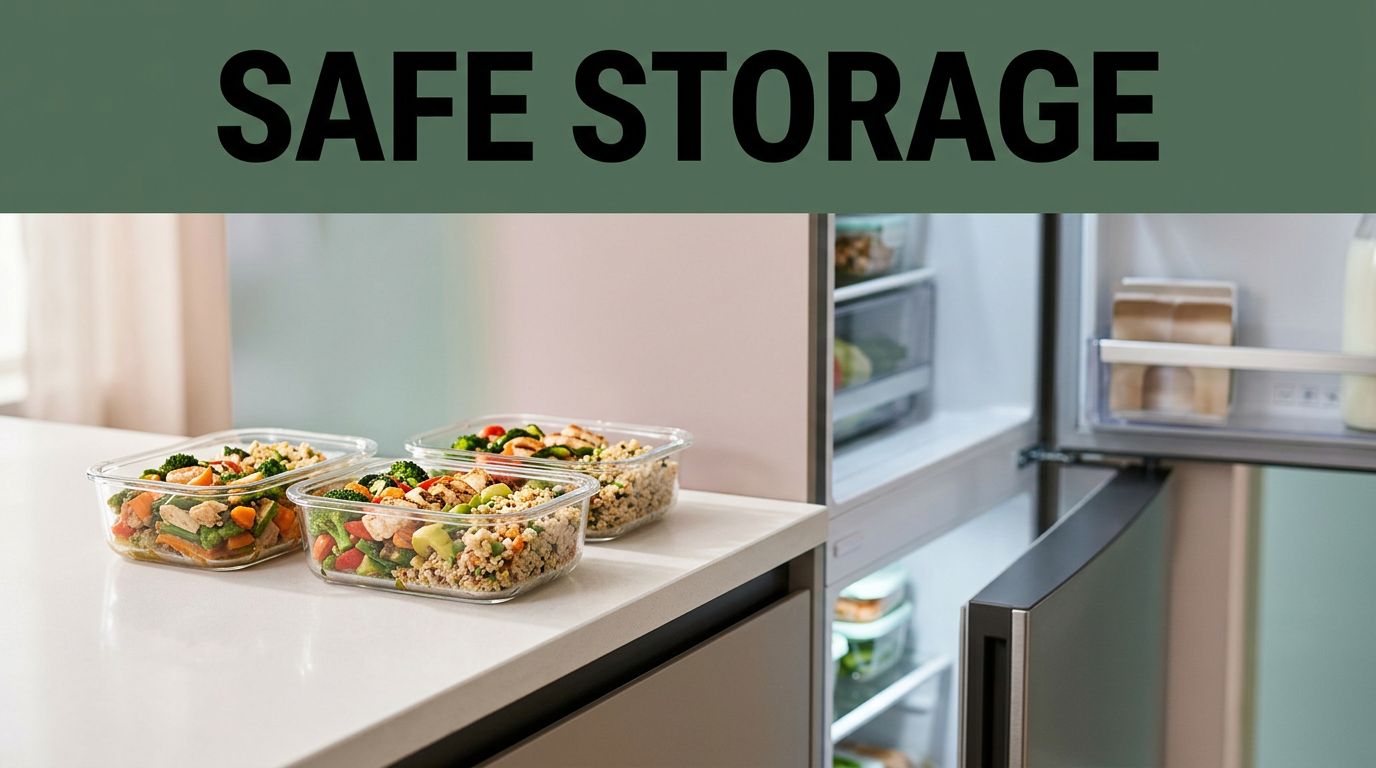
You can do meal prep on a Sunday and still feel safe on a Tuesday. The trick is how you cool, store, thaw, and reheat pre-cooked meals. Miss one step, and you might turn leftovers into a food safety problem.
Most foodborne germs grow fastest in the “danger zone,” between 40°F and 140°F. That’s why safe storage starts right after cooking. When you cool food too slowly, bacteria can multiply before your fridge ever catches up.
If you’ve ever tossed a pan because you weren’t sure, you’re not alone. With the right timing and temperatures, you can keep meals tasty longer, and reduce your risk.
In this guide, you’ll learn how to cool meals fast, store them correctly in the fridge or freezer, thaw safely, and reheat to the right temperature. You’ll also see common spoilage signs so you can trust your judgment.
Cool Your Meals Fast to Stop Bacteria Growth
Cooling is where most mistakes happen. People get busy, food sits on the counter, and the fridge feels like a “later” fix. Unfortunately, later can be too late.
USDA and FDA both emphasize prompt chilling to keep food out of the danger zone. For a quick refresher on the core rules, see USDA Food Safety Basics on safe handling. The theme is simple: clean, separate, cook, chill.
The “two-hour rule” (and when it gets shorter)
Plan around these time limits:
- Put pre-cooked meals in the fridge within 2 hours of cooking.
- If the room is above 90°F, get food chilled within 1 hour.
Why the rush? Bacteria can multiply quickly as food cools through the danger zone. Even if your meal smells fine later, germs may still be there.
Use shallow containers so food cools evenly
A deep pot cools slowly. The center stays warm longer, so bacteria get more time. Instead, split food into smaller portions.
Here’s a simple way to do it:
- Portion into shallow containers (not deep ones).
- Leave space between containers so air can move.
- Let steam reduce before sealing tightly, if needed (no hot lids trapped on hot food).
- Put everything in the fridge promptly.
For hot casseroles, soups, or chili, you’ll usually get the best results with multiple shallow containers, not one big tub.
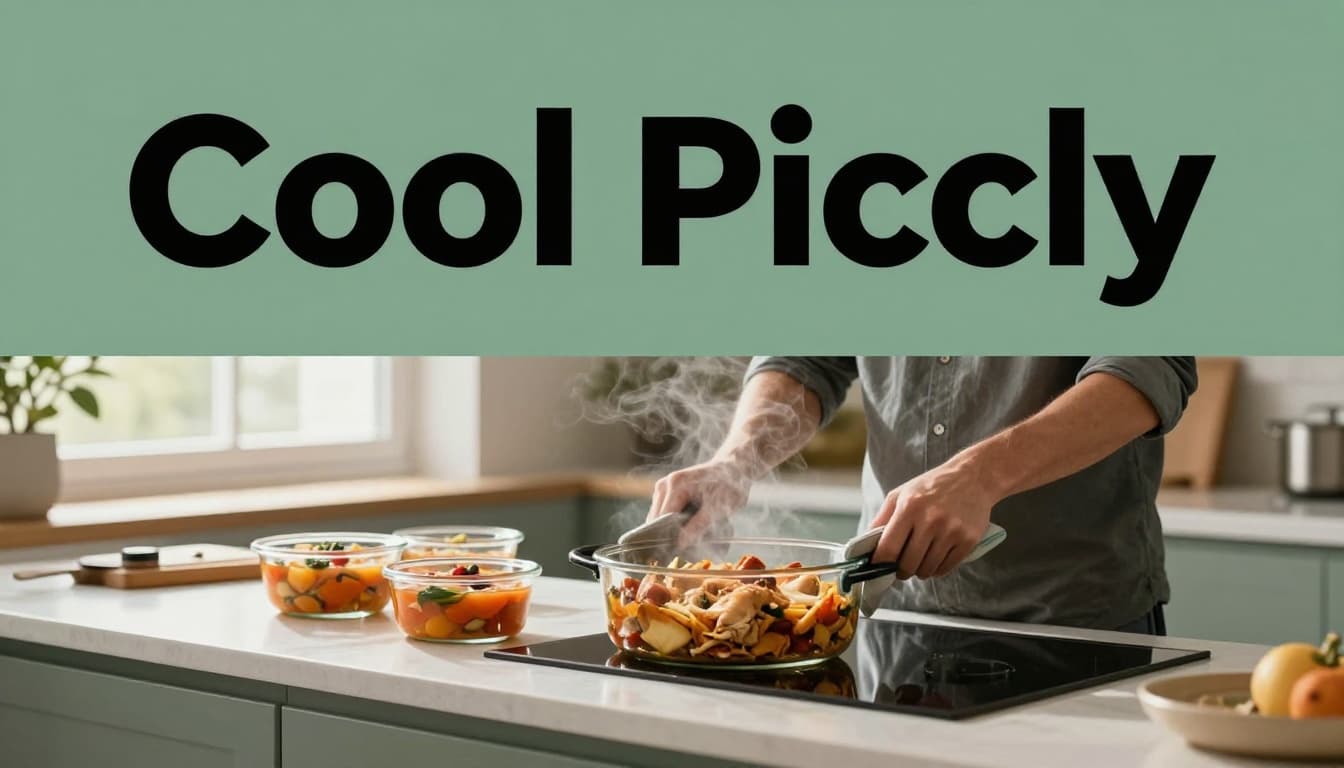
Also avoid a common fridge mistake: don’t stack hot pots on top of other items. That slows cooling and warms the shelves nearby. If you’re cooling multiple pans, spread them out.
When you cool quickly, you also protect quality. Foods reheat better, and sauces stay smoother.
If you want one more reminder, USDA has specific leftover guidance in Leftovers and Food Safety. It boils down to the same idea: time and temperature matter more than guesswork.
Fridge Storage: Keep Meals Fresh for Days
Once your meals are cooled, the fridge does the heavy lifting. But only if your fridge runs cold enough and you store food the right way.
Set the temperature before anything else
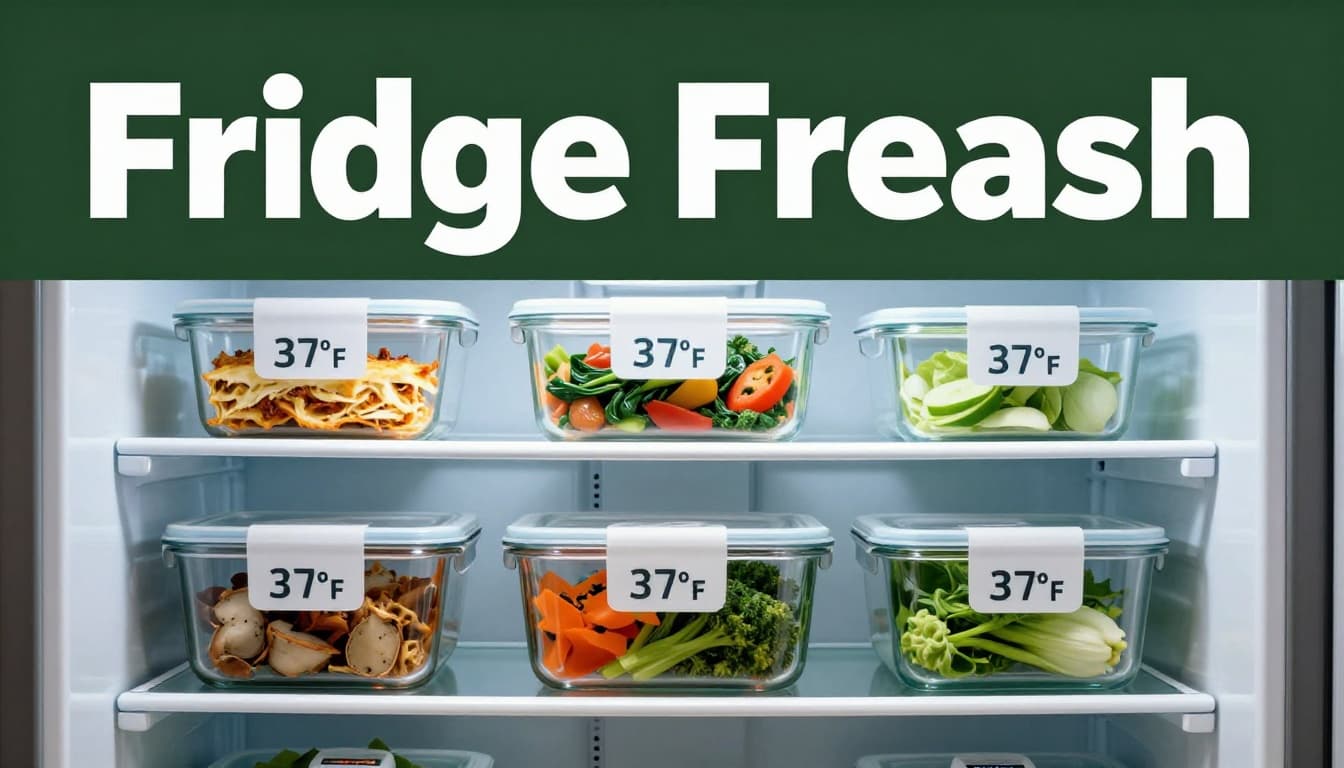
Keep your fridge at 40°F or below. If you don’t have a fridge thermometer, grab one. Then you’ll know your fridge is actually doing the job.
Cold slows bacteria growth, but it doesn’t stop it completely. That’s why “stored” still means you should eat within a safe window.
Separate, cover, and check daily
Cross-contamination is another big risk. Cooked food can pick up germs from raw meat juices or used utensils.
USDA also stresses proper chilling and safe handling as the foundation for leftovers. Remember that you’re managing risk, not perfection.
Here are day-to-day fridge habits that help:
- Cover everything (airtight containers or sealed lids).
- Store cooked meals away from raw meat on a separate shelf.
- Keep containers on the middle or top when possible, since that area stays more stable.
- Wipe spills fast to reduce mess and odors.
- Check leftovers daily for smell, texture, and any odd changes.
If your fridge runs a little warm, you’ll notice sooner. On the other hand, a stable cold fridge helps meals stay safe and good.
Ready-to-eat foods need extra attention
If your meal is ready-to-eat (like hot food that’s cooled and served later without reheating right away), you should be extra strict with timing. Listeria can be tricky because it can grow at fridge temperatures. For context on why ready-to-eat foods need care, see Listeria in ready-to-eat foods and regulatory risk perspectives.
The good news: you don’t need fear. You need a routine.
Best Times and Temps for Your Favorites
Quality fades before safety for some foods, so treat these as both safety and taste guidelines. Most pre-cooked meals are best within 3 to 4 days.
Here’s a quick guide you can follow at home:
| Meal Type | Fridge Storage (Days) | Notes |
|---|---|---|
| Meats and poultry dishes | 3 to 4 | Reheat fully before eating |
| Veggie dishes | 3 to 5 | Watch for changes in smell and color |
| Soups and stews | 3 to 4 | Stir while reheating |
Always keep the fridge at 40°F or below, and use your senses as a last line of defense.
If you’re unsure, follow a simple rule: when in doubt, throw it out. Listeria and other bacteria don’t always announce themselves with a strong smell.
Pick Containers That Protect and Cool Evenly
Your containers can make storage safer. They also help meals taste better.
For fridge storage, choose:
- Airtight containers (glass or BPA-free plastic).
- Shallow containers when possible, especially for soups and thick sauces.
- Sealed freezer bags for liquids or small portions.
Glass is great when you want to avoid staining odors. Plastic can be fine too, as long as it seals well and you clean it fully.
Avoid overcrowding. Crowding slows airflow, which can warm parts of the fridge.
Finally, label containers. Write the date so you’re not stuck playing “guess when I made this.”
A small habit like labeling can save you from tossing good food.
Freeze Smart to Make Meals Last Months
Freezing is your “long-term safety plan.” It stops bacteria from growing. The food may change in texture, but it stays safe when handled right.
Set your freezer to 0°F or below. If your freezer is warm, nothing else matters.
USDA-style guidance is consistent here: keep frozen food tightly sealed and dated. Then thaw and reheat safely when you’re ready.
How Long Each Meal Type Stays Top Quality
Freezing keeps food safe for a long time. However, quality can drop due to freezer burn and texture changes.
Use these best-quality windows:
- Meats and poultry: 2 to 6 months
- Casseroles: 2 to 3 months
- Soups and stews: 4 to 6 months
- Veggie dishes: 8 to 12 months
Even after those windows, it’s not automatic spoilage. But taste and texture often take a hit.
So label everything. Then eat in a rotation you can actually follow.
Wrap and Label for Freezer Success
Freezer burn happens when air touches food. It’s not usually a “safety disaster,” but it can ruin flavor.
To prevent it:
- Press out extra air from bags.
- Use tight lids or heavy foil wrap when needed.
- Double up for very moist meals (like stews).
Portion helps too. One container you can reheat in full beats a half-day thaw on the counter.
A simple system works well:
- Freeze in meal-sized portions.
- Use FIFO (first in, first out).
- Label with the date and the meal type.
When you thaw later, your food plan stays simple.
Thaw, Reheat, and Spot Trouble Early
Thawing is not a waiting room. It’s part of food safety. The goal is to move food out of the danger zone and into safe cooking conditions.
USDA warns against thawing on the counter. Room temperature gives bacteria a fast path to multiply. If you want a reminder, scan USDA’s leftover safety guidance in Keep Food Safe from Kickoff to Leftovers.
Three Foolproof Ways to Thaw Safely
Pick one of these methods, and skip the counter.
Fridge thawing (safest)
Plan ahead. Put sealed containers in the fridge. Big portions may take a full day or more.
Cold water thawing (faster)
Seal food in a leak-proof bag. Submerge it in cold water. Change the water every 30 minutes.
Microwave thawing (quickest)
Use the microwave to thaw. Then cook right away. Don’t wait after microwaving.
The big idea is simple: keep the thawing process controlled.
Reheat Right Every Time
Reheating is where you protect yourself when cooking happens days earlier. Use a thermometer if you can.
Reheat leftovers to 165°F. That includes casseroles, stuffing, and most leftovers.
For even heating:
- Stir soups and stews during reheating.
- Cover food so it heats through instead of drying out.
- Use shorter microwave bursts if your microwave is uneven.
If you’re reheating thicker dishes, take a second to stir and re-check.
A final reminder: heat evenly. Cold spots can hide in the center.
Warning Signs Your Meal Needs the Trash
Your senses matter, but they’re not magic. Some unsafe foods won’t smell “bad.” Still, these signs are strong reasons to toss.
Watch for:
- Sour, rotten, or “off” smells
- Slimy texture
- Mold or fuzzy spots
- Odd color changes
- Bubbling that looks strange (especially in stored containers)
Also toss food if you’re not sure how long it sat warm. When food spends too long in the danger zone, it’s not worth the risk.
The safest mindset is simple. If you can’t confirm it was handled right, choose caution.
Conclusion
Safe pre-cooked meals come down to a few rules you can actually follow. Cool within two hours (or one hour if it’s hot out), store at 40°F or below, and freeze at 0°F or below.
When it’s time to eat, thaw in the fridge, cold water, or microwave, then reheat to 165°F. Finally, trust spoilage signs, and when you’re unsure, throw it out.
Meal prep can save time and money, but only if leftovers get the right treatment. What habit will you start today to make your storage routine easier?