Food prices didn’t just rise this year, they rose about 2.5 percent, but some staples like rice, beans, and eggs got even cheaper. That shift matters when you’re trying to cook affordable meals without stress.
Last weekend, I cooked a family meal for under $5 per person. I used one pot, added pantry staples, and let the stove do most of the work. No fancy steps, just simple techniques that stretch your budget.
In fact, the trick is consistency, because you need the right mix of cheap ingredients and smart timing. When you use one-pot cooking and batch prep, meals taste better and take less effort on busy days. Plus, you waste less food when you plan around what you already have.
Next, you’ll see how to build your pantry with stocking cheap staples, then turn them into one-pot recipes you can repeat all week. After that, we’ll cover batch ideas and grocery hacks that help you keep costs low while keeping flavor up. If you stick with these simple techniques, you’ll save both money and time from your very next meal.
Stock Your Kitchen with 2026’s Cheapest Staples
If you want to cook meals for under $5, start with staples that can handle real life. Think of them like kitchen tools. They store well, they stretch portions, and they turn cheap ingredients into filling dinners.
This section focuses on the basics that help you feed a crowd. Then, you can mix and match them all week without wasting food. When you stock these items, you get more meals per dollar, and you spend less time deciding what to cook.
| Staple (US) | What to Buy | Why It Helps | Budget-Friendly Tip |
|---|---|---|---|
| Rice | 5 lb bag of white rice | Big batches, goes with everything | Cook extra and freeze portions |
| Beans | Dry or canned (mix types) | Cheaper protein and fiber | Pair with rice for a complete protein |
| Pasta | 1 lb box | Quick comfort meals, easy add-ins | Use broth, not only sauce, for flavor |
| Oats | 42 oz rolled oats | Cheap breakfasts, thickens soups | Store airtight to keep it fresh |
| Flour | All-purpose flour | Binders, quick flatbreads | Keep it dry, use within a year |
| Potatoes | 5 lb bag | Cheap volume, great for sides | Roast, mash, or turn into hash |
| Carrots | 1 lb bags | Sweet flavor, tender when cooked | Slice small to cook faster |
| Onions | 3 lb bag | Flavor base for many dishes | Cook a whole batch, freeze extras |
| Eggs | 12 large eggs | Budget protein, versatile | Hard-boil for fast meals |
| Chicken (best deal) | Whole chicken or thighs | Biggest protein yield | Freeze extra parts right away |
| Canned fish | Sardines or tuna | Omega-3s, no prep | Add to pasta, salads, or rice bowls |
For extra context on why store choice matters, see Aldi vs. Walmart price comparisons. Prices vary by location, so always check your local shelf tags.
The best “cheap meal” plan is the one that uses what you already stocked.
Grains and Carbs That Feed a Crowd
Grains and carbs do the heavy lifting for budget cooking. They stretch servings, absorb flavor, and keep you full. When you build a pantry here, you also build a backup plan for busy nights.
Rice, pasta, oats, barley, and flour cover almost every affordable meal idea. You can turn them into bowls, soups, sides, and simple casseroles. Plus, they play nice with cheap vegetables and whatever protein you find on sale.
Start with rice. If you cook for a crowd, white rice is hard to beat. It cooks fast, it reheats well, and it turns leftovers into something new.
Next, pasta. Grab a basic 1 lb box (any brand works if you season well). Then, treat pasta like a sponge. Add sautéed onions, carrots, and a splash of broth to stretch flavor without expensive sauce.
Then, stock oats. In March 2026, 42-ounce rolled oats are as low as $3.99 to $4.49 at Kroger based on recent listed prices, and higher at other retailers. If you want the clearest bargain, watch for sales around that range and buy when you see it. For everyday meal prep, oats also help you stay on budget because you can use them in breakfast and baking.
Barley deserves a spot too, especially if you like soups and stews. It adds chew and makes cheap meals feel heartier. Even a small bag can go far when you cook it in broth with onions and carrots.
Finally, flour. It helps you thicken soups, coat chicken parts, and make quick flatbreads. When flour sits in your pantry, it lowers the cost of improvising.
For storage, use airtight containers. This simple move keeps moisture out and helps avoid stale food. Oats and flour especially love a sealed container because they can pick up odors. Keep rice and pasta in sealed bins too, just for peace of mind.
One smart budget habit: learn the rice and beans combo. Together, they act like a complete protein, which helps your meals feel more filling. If you want a straight explainer, check Beans + Rice = A complete protein.
If you’re trying to shop cheaper, you can also watch for bulk-bin options at discount stores and warehouse clubs. Even better, buy grains when there’s a sale, then freeze any extra that you will not use right away.
Veggies and Roots That Stay Cheap Year-Round
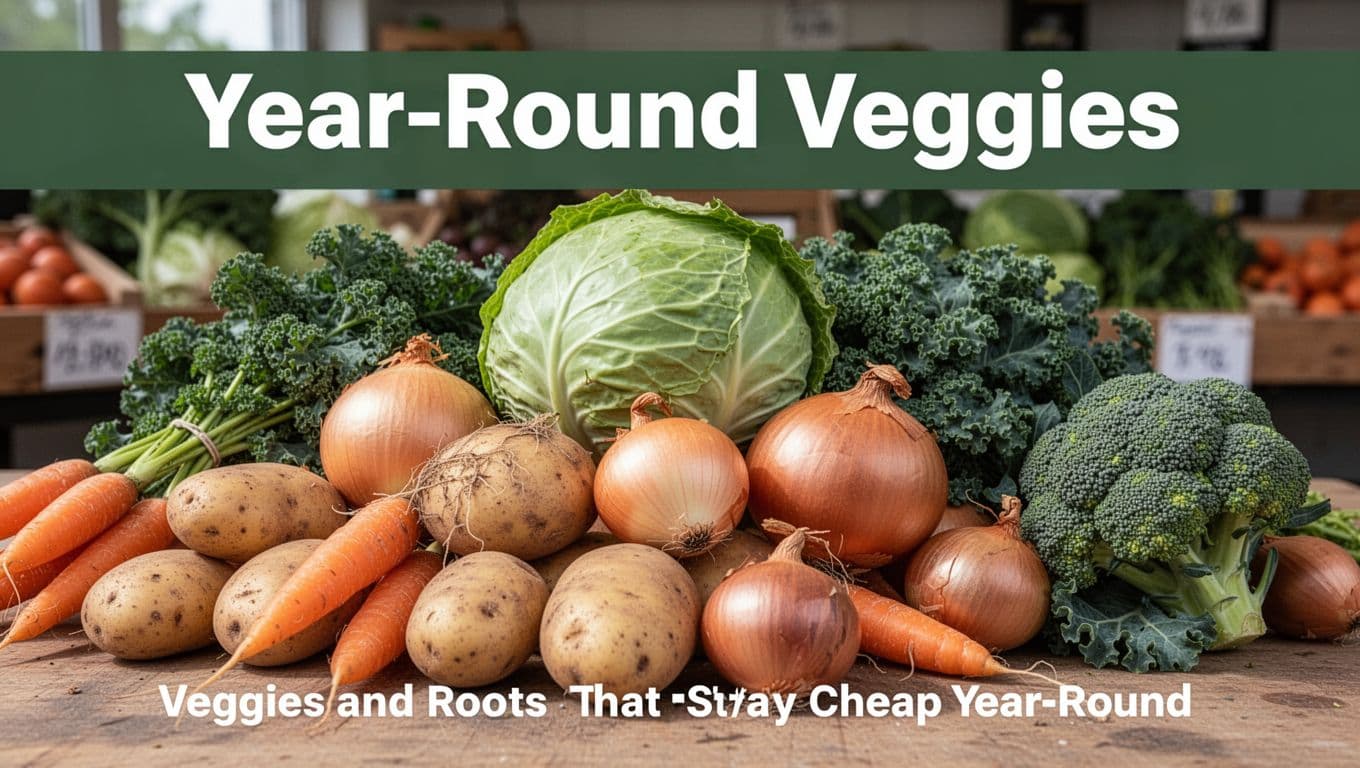
Vegetables make cheap meals taste like you tried. Even simple rice and pasta shine when you add potatoes, carrots, and onions. These three are your flavor base, your bulk maker, and your texture builder.
Think of onion, carrot, and potato like the “starter rope” in cooking. They pull the whole meal together, even with basic seasonings. Start by sautéing onions first. Then add carrots. After that, bring in potatoes (or use them as a side). This sequence helps everything taste warmer and more rounded.
Seasonal picks help your meals feel fresh without raising your grocery bill. For example, in March, many shoppers can find cabbage, kale, and broccoli at lower prices than summer. If you see good deals, buy a little extra, then use them in stir-fries, sheet-pan meals, or soup.
Still, watch for a few price traps. Garlic can run pricier depending on the week, and canned tomatoes can get expensive if you always buy name brands. If garlic is high, try using onion and dried herbs for the flavor base. For tomatoes, switch to store-brand cans, or use what you already stocked when you need to stretch a pantry.
How do these veggies add bulk? First, they hold up in longer cooking. Second, they soften into sauces and stews without special tools. Third, they add color, which makes meals feel more complete.
A quick way to plan with roots is to cook them in batches. Roast a tray of potatoes and carrots, then mix them into pasta bowls the next night. Slice onions, sauté them, and store them in the fridge for up to a few days. When you need dinner fast, you just add them to rice, soup, or pan-fried eggs.
Also, don’t underestimate cabbage. It cooks down and stretches meals. Use it with noodles, in fried rice, or as a side for chicken and eggs.
When you shop, pick produce that feels firm and smells fresh. Then, store it correctly. Potatoes like a cool, dark spot. Onions need airflow. Carrots do well in the fridge, sealed in a bag.
If you want to find better veggie pricing, compare weekly sales and check discount shelves. Many stores mark down produce near the end of its best window. When that happens, buy it if you can cook it within a day or two.
Proteins Packed with Value
Protein can blow up a budget fast, unless you choose value first. Start with eggs. Eggs are simple, filling, and flexible. They work for breakfast, lunch, or dinner. Plus, they stretch meals when you add them to rice, noodles, or roasted potatoes.
In March 2026, eggs have shown a general trend of lowering prices at many stores, so it’s worth checking your local shelf. If you find a good deal, buy a couple of extra cartons and freeze what you can.
Next, focus on chicken parts. Chicken thighs often cost less than breasts, and they stay tender. They also work great in one-pot meals, where you let them simmer until juicy. If you spot a sale, pick up extra and freeze them right away.
Whole chicken is often the best deal per pound. When you break it down, you get more meals. Roast the whole chicken once, then use the leftovers for sandwiches, rice bowls, and quick soups. When the price is right, whole chicken stretches the value of your grocery dollar.
Then add canned fish for easy omega-3s. Canned sardines and tuna cost less than fresh seafood and last a long time. They also add salty, savory flavor with almost no prep. Stir sardines into pasta, fold tuna into rice, or mix them with chopped onions and serve over potatoes.
Freezing is your budget superpower with proteins. If you buy extra, freeze it in meal-sized portions. That way, you thaw only what you need.
Here’s a beginner-friendly mindset: choose one protein for the week, then build two meal styles around it. For example:
- Eggs for quick breakfasts and soft “egg bowl” dinners
- Chicken thighs for one-pot simmer meals and sheet-pan leftovers
- Canned fish for no-cook salads and hot rice bowls
Whatever you stock, rotate it into your grains and veggies. That’s the pattern that keeps costs down and meals satisfying.
Master One-Pot Meals for Zero Fuss Dinners
One-pot dinners are the closest thing to “instant comfort” that still tastes homemade. You chop a few things, brown (optional but helpful), then let heat and timing do the work. Best of all, you clean one pot instead of a pile.
Below are three simple, budget-friendly one-pot meals. Each one uses cheap staples, cooks in about 20 minutes of hands-on time, and turns leftovers into tomorrow’s dinner.
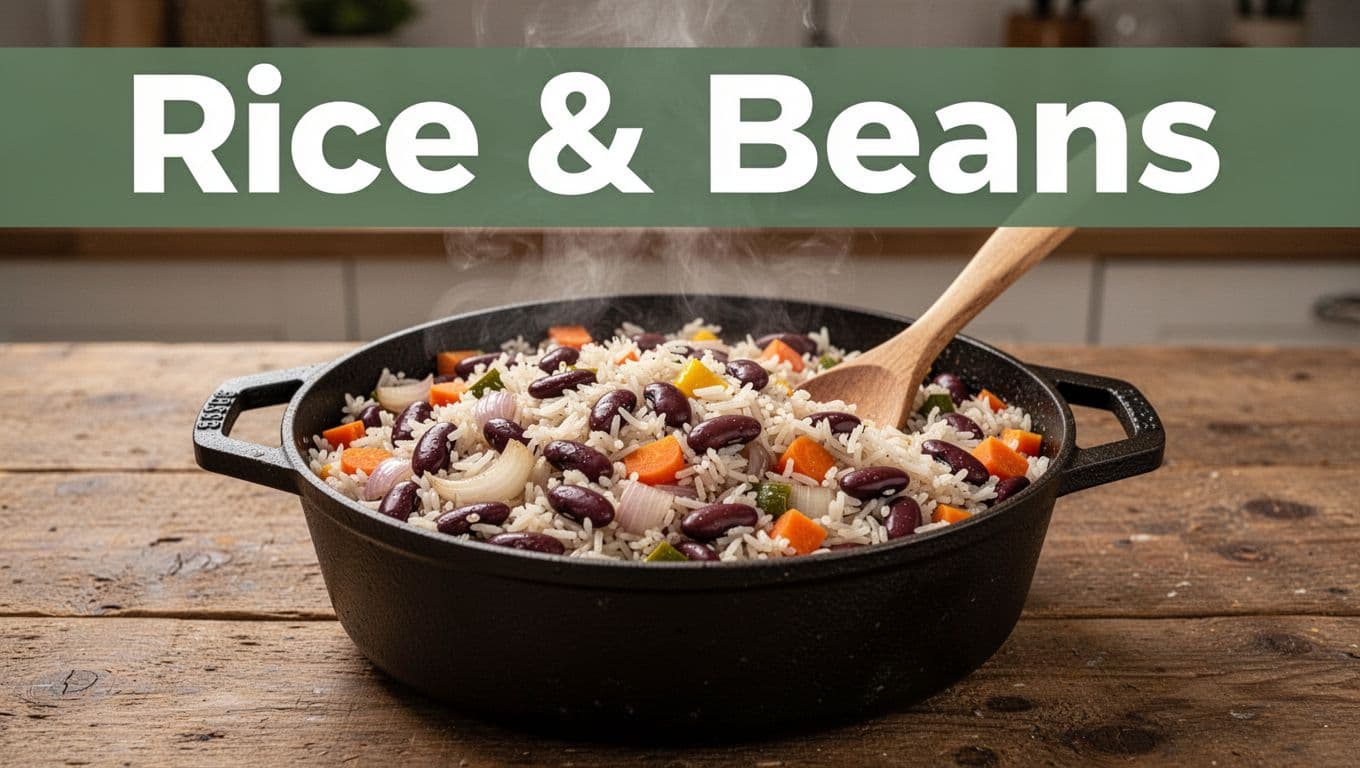
Classic Rice and Beans with Veggies
This is the “everyone eats it” dinner. Rice brings the bulk, beans add protein, and veggies sneak in flavor without costing much. Think of it like building a simple flavor base, then letting the pot simmer it into something satisfying.
Ingredients (serves 4, about $2 per serving)
- 1 cup dry rice (or 2 cups cooked rice if you have it)
- 1 can (15 oz) beans, drained (kidney, black, or pinto)
- 1 small onion, diced
- 1 medium carrot, diced
- 1 to 2 cloves garlic, minced (optional if pricey)
- 3 to 4 cups broth or water (chicken broth if you have it)
- 1 tbsp oil or butter (optional)
- Salt and pepper
- Spice option (choose one):
- 1 tsp cumin + 1/2 tsp chili powder (warm and savory)
- or 1 tsp smoked paprika (smoky)
- or taco seasoning (if you already own it)
Steps (one pot, zero fuss)
- Sauté the base: Heat oil in a large pot. Add onion and carrot. Cook 3 to 4 minutes, until soft.
- Add garlic (if using). Stir 30 seconds, just until fragrant.
- Add rice and beans: Stir in rice, then add broth/water. Add drained beans after rinsing.
- Simmer: Bring to a gentle boil, then lower to simmer.
- Cook 18 to 25 minutes, until rice is tender.
- Taste and finish: Add salt, pepper, and your chosen spice. If it looks dry, splash in a bit more broth.
Photos cues to guide you
- Picture 1: diced onion and carrot hitting the hot pot.
- Picture 2: rice and beans covered in broth, before simmering.
- Picture 3: thick, glossy pot ready to serve.
For seasoning ideas and variations, you can borrow inspiration from Budget Bytes’ classic approach in Quickie Red Beans and Rice. Keep it flexible, though. Your pantry sets the rules.
If you want a heat boost, add hot sauce at the end. For a brighter bowl, squeeze in a little lime or vinegar if you have it.
Chicken Potato Carrot Stew
This stew is freezer-friendly, and it barely asks for your attention. Plus, chicken pieces give you that “real dinner” feeling, even when the ingredients are cheap. The trick is to brown the chicken first, because that step adds depth.
Ingredients (serves 6, about $4 per serving max)
- 6 to 8 chicken pieces (thighs or drumsticks, or mixed parts)
- 2 lb potatoes, chopped (about 1-inch pieces)
- 2 large carrots, chopped
- 1 onion, diced
- 2 to 3 cloves garlic, minced (optional)
- 4 to 6 cups broth or water (chicken broth tastes best)
- 1 to 2 tbsp oil (optional)
- Salt and pepper
- 1 to 2 tsp dried thyme or oregano (or any dried herb you own)
- Optional thickener: 1 tbsp flour or cornstarch slurry (if you like it thicker)
Steps (one pot, simmer-based)
- Brown the chicken: Heat oil in a large pot. Season chicken with salt and pepper. Brown 3 to 5 minutes per side.
- Add onion and carrots. Stir 2 minutes.
- Add garlic (if using). Stir 30 seconds.
- Build the stew: Add potatoes and broth. Add herbs, then stir.
- Simmer: Bring to a boil, then reduce to a gentle simmer for 25 to 35 minutes.
- Finish: Taste for salt. If you want thicker stew, stir in a slurry for the last 3 to 5 minutes.
Photos cues to guide you
- Picture 1: browned chicken pieces on the pot bottom.
- Picture 2: carrots and onions mixed through.
- Picture 3: potatoes floating in broth, ready to simmer.
- Picture 4: finished stew, spoon-coating consistency.
This meal also works well with “whatever chicken you find” at the store. Whole pieces, bone-in cuts, and even leftover chicken all do the job.
If you want another simple reference point for a similar one-pot stew method, try Simple Chicken Stew Recipe. Then make it cheaper by using the chicken cut that’s on sale and carrots from a value bag.
For spice, add a pinch of paprika, or a few shakes of crushed red pepper. Stir it in near the end so it stays bright.
Budget Pasta with Tomatoes and Beans
When you need dinner fast, pasta is your friend. Even better, canned tomatoes and beans create a hearty sauce without expensive jars. This one is perfect for nights when you feel like cooking, but only for a little while.
Ingredients (makes 4 bowls, pennies per serving)
- 8 to 10 oz pasta (about half a 1 lb box)
- 1 can (14 to 15 oz) canned tomatoes (crushed or diced)
- 1 can beans (15 oz), drained and rinsed
- 1 to 2 cups frozen mixed vegetables (or spinach, if you want)
- 2 to 3 cups water or broth
- 1 tbsp olive oil (optional) or a small knob of butter
- Salt and pepper
- Seasoning option:
- 1 tsp garlic powder
- 1 tsp Italian seasoning
- or chili flakes plus black pepper
Steps (15-minute boil-and-stir)
- Start boiling: In a large pot, bring water/broth to a steady boil. Add pasta and salt.
- Cook the pasta: Simmer until pasta is just tender, usually 8 to 12 minutes.
- Add tomatoes: Stir in canned tomatoes and beans. Break beans up slightly for a thicker texture.
- Add frozen veg: Toss in frozen vegetables for the last 3 minutes.
- Finish: Add pepper and seasoning. Taste, then adjust salt.
Photos cues to guide you
- Picture 1: pasta boiling in a pot of broth.
- Picture 2: tomatoes and beans swirling into the water.
- Picture 3: frozen vegetables steaming at the end.
To see how others handle one-pot tomato pasta, you can use ideas from One-Pot Tomato Pasta. The main win is still the same: you cook everything together and keep cleanup simple.
Want it creamy without cream? Mash a spoonful of beans into the sauce. Add a little cheese if you have it, or skip it if you don’t. The beans keep it filling either way.
If you meal prep, store it slightly underdone. Reheat with a splash of water so the pasta loosens into sauce again.
Batch Cook Once, Eat All Week
Batch cooking is how I keep meal planning from turning into a second job. You cook once, portion it up, then reheat dinners all week. In other words, your stove does the heavy lifting on your schedule.
The real win is time and cost. When you roast a big tray or simmer a whole chicken, you also reduce waste because you use the same ingredients across multiple meals. Think of it like loading up a toolbox on Sunday. Then, every time you need dinner, you grab a part and get moving.
Here’s the storage rule I follow for safety and taste: most batch-prepped foods stay in the fridge for about 3 days, and the rest goes into the freezer for about 1 month. Label containers so you use the oldest first. Also, cool food fast before refrigerating, so it doesn’t sit out too long.
Two batch moves make this whole “eat all week” plan work: roast vegetables and shred chicken. After that, you remix them into rice bowls, tacos, salads, soups, and pastas.
Roast Veggies for Multiple Meals
Roasting veggies in one big session is one of the simplest ways to stretch your grocery budget. When you cook potatoes, carrots, onions, and broccoli together, you get a mix of flavors that works in hot meals and cold ones.
Plus, the texture matters. Roasting gives edges a little crunch, which makes reheated food taste more alive. It’s like adding a little “fresh from the oven” feel, even days later.
If you want a proven approach, you can use ideas from How to Roast a Lot of Vegetables for Meal Prep and tweak it for your pantry. The goal stays the same: roast once, then build multiple dinners from the same pan.
Start with a tray that’s big enough for “leftovers with purpose.” I usually aim for:
- 1 to 2 pounds potatoes, chopped into bite-size chunks
- 2 to 3 cups carrots, sliced or cut into sticks
- 1 to 2 onions, chopped into wedges
- 2 to 3 cups broccoli, cut into florets
Then season with oil, salt, and whatever you can afford. Black pepper, garlic powder, or Italian seasoning all work. If you like heat, add chili flakes.
Simple roast method (the “same pan, different meals” approach)
Keep this part easy, because you want your batch cooking to feel automatic.
- Preheat the oven to 425°F.
- Toss chopped potatoes, carrots, and onions with oil and salt.
- Roast for about 20 minutes, then add broccoli (broccoli cooks faster).
- Roast another 10 to 15 minutes, until potatoes are tender and edges look browned.
Let everything cool, then portion it out. I usually split into:
- Side portions (for eggs, rice, or grain bowls)
- Mix-in portions (for pasta, soups, or wraps)
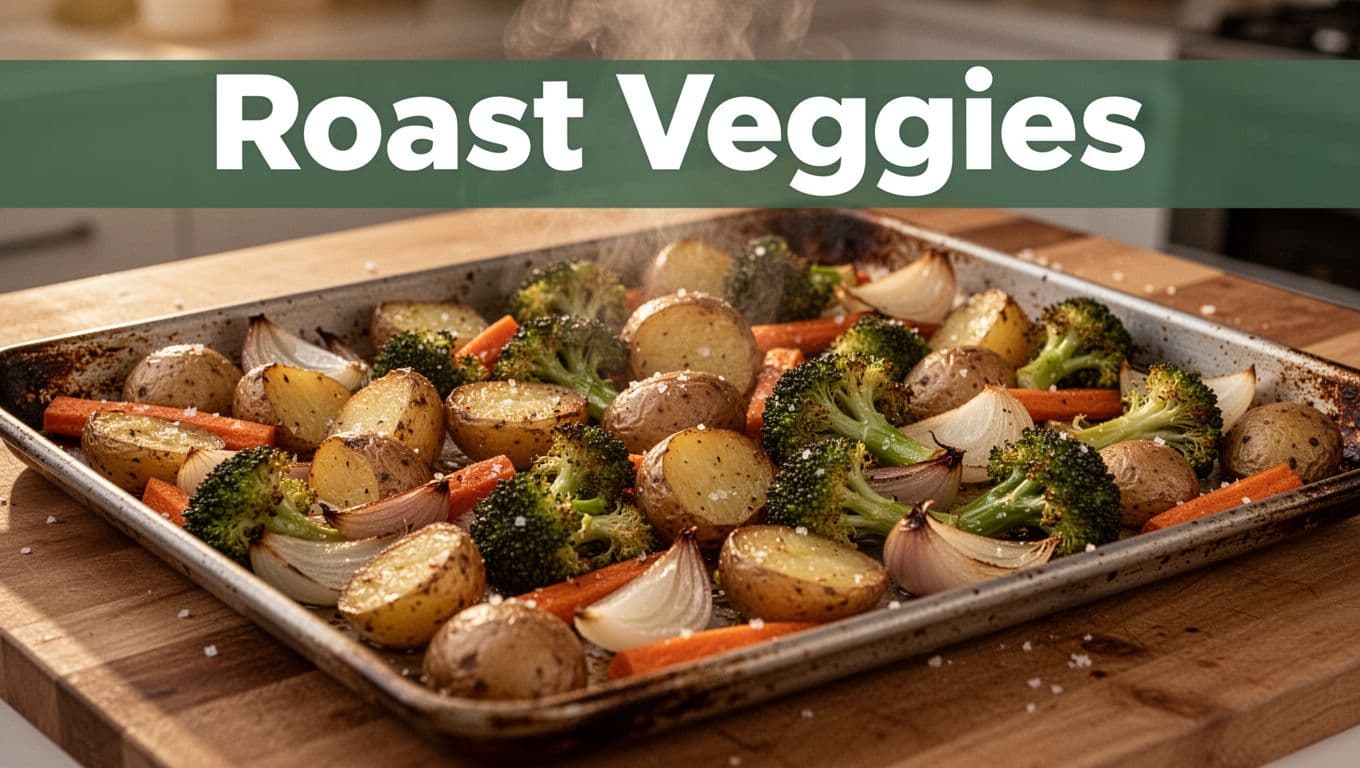
How to use the same roasted tray all week
Roasted veggies shouldn’t only become one dinner. Instead, use them like you’d use a jar of sauce. Different containers, same base.
Here are easy remix ideas that don’t require fancy cooking:
- Rice bowls: reheat roasted veggies, then add rice and a sauce (soy sauce, salsa, or a lemony vinaigrette).
- Egg nights: chop veggies smaller, warm them in a pan, then scramble eggs right on top.
- Salads with weight: cool veggies, add greens (or whatever you have), and toss with a simple dressing.
- Pasta add-ins: stir reheated veggies into warm pasta with broth or canned tomato sauce.
- Sheet-pan leftovers: use the crispy bits first, because they hold up best when reheated.
In practice, I treat roasted veggies like my “meal foundation.” Then I swap the fast parts: rice, eggs, tortillas, or soup broth.
Storage tips that keep flavor strong
Storage is where meal prep either pays off or falls flat. If food tastes bland later, it’s usually because it sat too wet or warmed too slowly.
I pack roasted veggies in shallow containers so they cool quickly. In the fridge, they stay good for up to 3 days. After that, freezer portions help you keep costs down, and they stay useful for about 1 month.
When I reheat, I add a tiny splash of water or broth. Heat it just until warm. That small step keeps veggies from drying out.
For more ideas on roasted meal prep, Sheet Pan Roasted Vegetables for Meal Prep is another good reference point when you want a repeatable Sunday workflow.
Shredded Chicken for Tacos or Salads
Shredded chicken turns one cook session into a whole week of meals. Also, it’s budget-friendly when you buy right. Whole chicken prices can be about $2.05 per pound on average in the US (retail), which makes it a smart choice for batch cooking.
Slow-cooked shredded chicken has a texture that works in both hot meals and cold lunches. It’s like a blank canvas, and tortillas, rice, greens, or soup broth all make great partners.
The biggest cost saver is bulk. Cook a whole chicken, shred it, then freeze portions so you only thaw what you need.
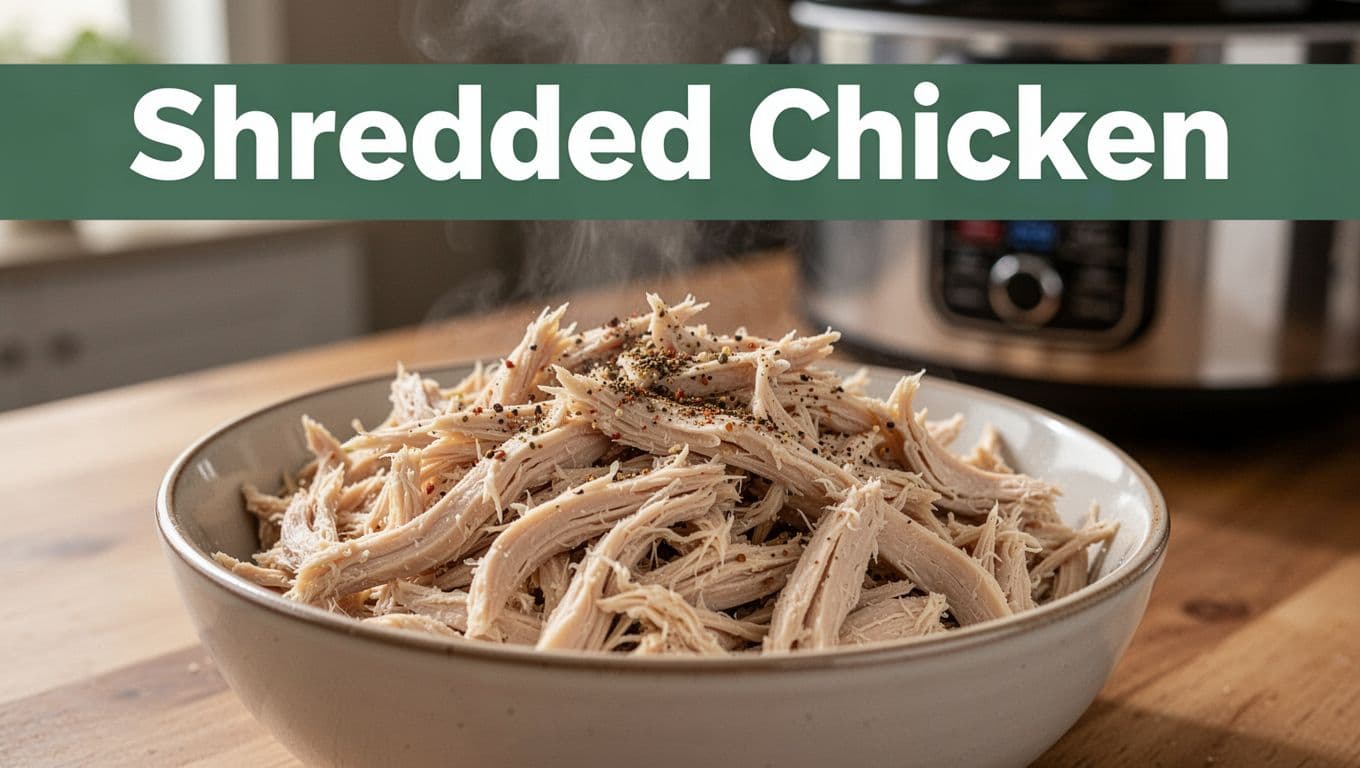
Cook once: slow cook, shred, portion
A simple method gets you tender chicken with minimal effort. If you want a go-to base recipe style, try Easy Slow Cooker Shredded Chicken (Perfect for Meal Prep).
Here’s the flow I use:
- Put a whole chicken (or enough for your plan) in a slow cooker.
- Add a little broth or water, plus salt, pepper, and dried herbs.
- Cook until the meat pulls easily with a fork.
- Remove chicken, shred it, then portion.
I like to separate it into “taco size” and “salad size” portions. That way, dinner feels ready to build.
How to use shredded chicken in the week
Once it’s shredded, you can build meals with almost no cooking. That’s where affordability really shows up, because time and effort stay low.
Here are practical meal uses:
- Tacos: warm chicken with salsa or taco seasoning, then pile into tortillas.
- Enchiladas: mix chicken with beans, then roll and bake with sauce.
- Soups: stir chicken into broth-based soup for quick protein.
- Salads: chill chicken and add it to greens (plus corn, beans, or chopped veggies).
- Rice bowls: reheat chicken, then add it to rice with a quick sauce (soy sauce, hot sauce, or lime).
If you want a similar method for a different vibe, Crockpot Shredded Chicken for Meal Prep shows how flexible the approach can be.
Freeze smart so it tastes fresh
Freezer portions matter, because frozen food can turn dry if you freeze it wrong. I freeze chicken in flat containers or zip bags so it thaws faster. Label with the date, and keep it for about 1 month.
When you reheat, add a splash of water, broth, or salsa. Then warm gently. That little moisture keeps chicken tender instead of chewy.
Most importantly, cook once and portion immediately. The sooner you package it, the less time it spends in the “meh” temperature zone. That keeps food safe and helps it taste better when it’s time to eat.
Grocery Hacks to Cut Your Bill in Half
When I try to cut my grocery bill fast, I stop chasing “cheap” and start chasing smart. Seasonal produce, sales you can actually use, and freezer-friendly buys all work together like gears in a well-made machine.
Think of your cart like a budget playlist. If you pick a few repeatable staples, everything you add later feels cheaper, because it builds on what you already planned.
Hunt Seasonal Deals and Sales
In March, the “cheap produce list” gets clearer. You’ll often spot spring-leaning veggies at better prices, like asparagus, kale, cabbage, lettuce, and cauliflower. Then, instead of grabbing whatever looks cute, you buy what’s fresh and plentiful right now.
One more move helps a lot: check store flyers before you shop. That way, you shop with purpose, not hope. If chicken or eggs have a promo, your meal plan can “snap” to the sale, and your cart total usually drops without you changing recipes.
Here’s the practical approach I use for seasonal shopping, March style:
- Buy what’s in season, even if you usually skip it. Asparagus can work in stir-fries, roasted trays, or egg dishes.
- Choose brassicas for bulk flavor. Kale and cabbage hold up in soup, pasta, and sheet-pan meals.
- Skip out-of-season sweetness when it spikes. Strawberries often cost more when they are not in season, so I switch to cabbage or frozen berries if I need fruit.
- Watch for flyer “drops” on proteins. Egg deals and chicken specials can be the anchor for your week.
This year, seasonal produce in the US for March includes asparagus and brassicas, plus cabbage and cauliflower, which tend to stay affordable when supply is good. For a broader seasonal guide, use Seasonal Grocery Shopping (US): What to Buy When (2026).
If you want a quick “flyer habit” that saves real money, do this at home before you head out:
- Open the store flyer app or website.
- Circle one protein deal and one vegetable deal.
- Plan two dinners that match them.
- Fill the rest of the week with pantry overlap (rice, beans, onions).
Use sales to guide your menu, not your imagination
Sales are easiest to use when you pair them with flexible staples. For example, if you find cheap chicken, you can stretch it across multiple meals with the same base ingredients: onion, rice, and a cooked veggie.
Meanwhile, seasonal veggies play different roles depending on how you cook. Asparagus and lettuce are great for faster dinners, while cabbage and kale shine in longer cooking.
Also, don’t forget the “good enough” rule. If the asparagus looks slightly thicker, roast it. If the kale is a bit tougher, simmer it in soup longer. Food doesn’t have to look perfect to taste great.
Here’s a simple March menu pattern that stays under control:
- One pot meal using rice or beans
- One sheet-pan dinner using seasonal veggies
- One fast bowl using lettuce or cauliflower
- Leftovers turned into tomorrow’s lunch
For more March-specific produce ideas, you can check What Fruits and Vegetables are in Season, March 2026 Produce Guide – The Delicious Life.
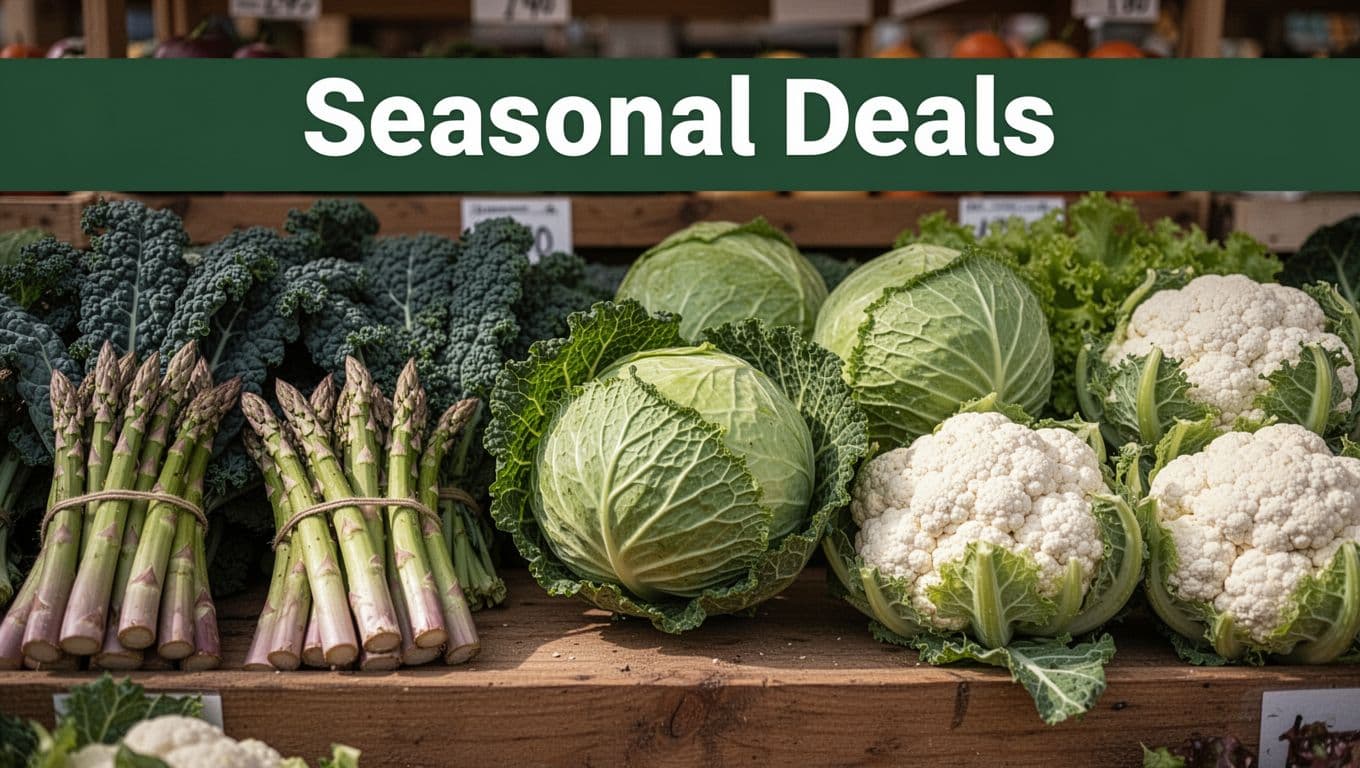
If you like concrete next steps, match your seasonal buys to storage too. Cabbage keeps longer than lettuce. Cauliflower can last if you dry it well. So, buy a mix, not just one type.
March cheap produce swap ideas that stay budget-friendly
When prices rise, the fix is not “buy less.” It’s swapping based on cooking method.
For example, instead of paying extra for fruit, use cabbage and kale in ways that feel like a treat:
- Cabbage: shred and cook with onions, then add to rice bowls.
- Kale: sauté until tender, then fold into pasta with beans.
- Cauliflower: roast for a side, then reuse in soups or rice mixes.
- Lettuce: save it for tacos, wraps, or fast salads.
Then, use “pantry overlap” to reduce decision fatigue. Onions go into almost everything, and they are one of the easiest ways to make cheap food taste planned.
If you shop around weekly ads, you can spot local price swings too. For instance, you can scan a weekly ad page like Safeway Weekly Ad from 03/25/2026 – Flyer, Sale to find deals that pair with your existing staples.
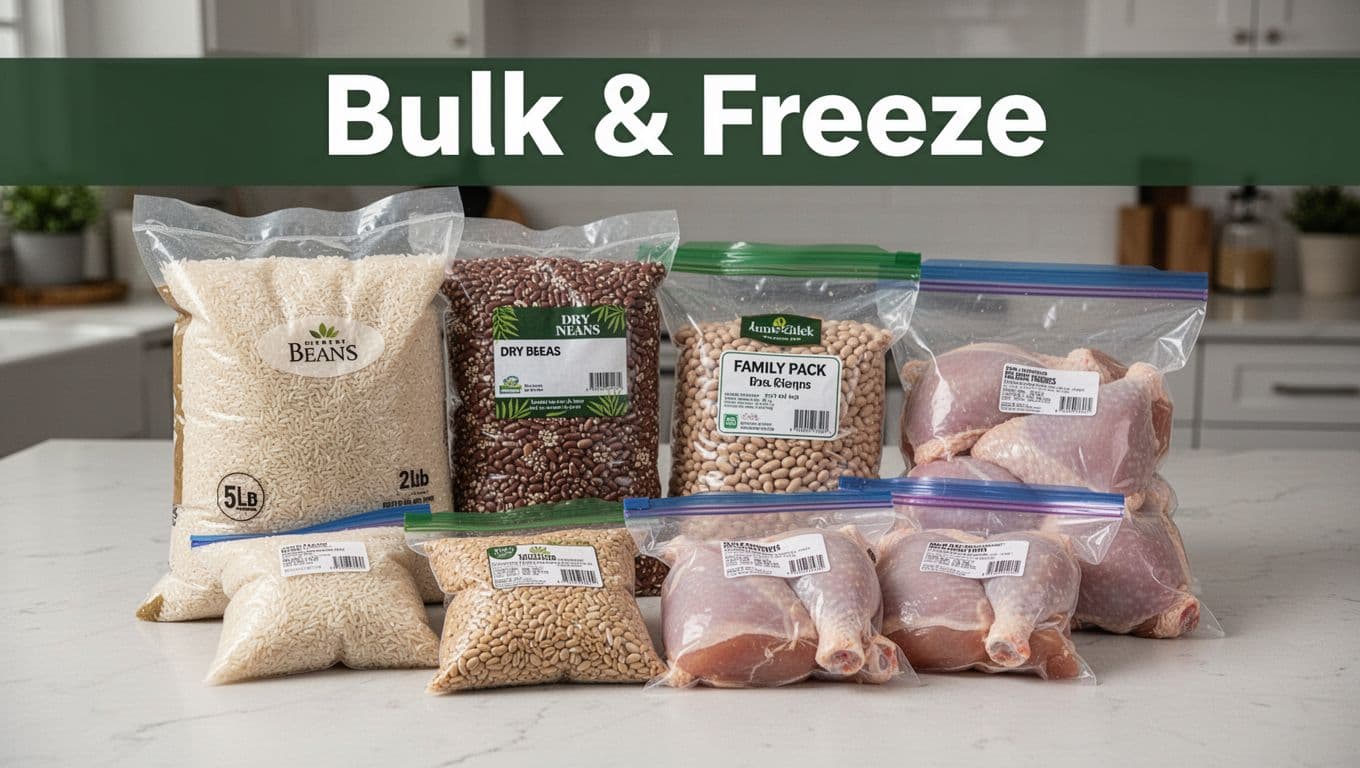
Bulk and Freeze Without Waste
Bulk is only a bargain if you freeze it before it goes bad. Otherwise, you pay less per pound and waste more food. It flips the savings, fast.
So I treat bulk like a system. Buy bigger when the price drops, then portion it right away. From there, freeze with a simple method so food thaws quickly and reheats well.
If you want a solid read on buying in bulk without wasting money, start with How to Buy in Bulk Without Wasting Food or Money. It lines up with how most people save the most.
What to buy in bulk (and what to avoid)
When you’re trying to cut your grocery bill in half, you want bulk items that are:
- Stable in storage (dry or freezer-friendly)
- Easy to portion
- Already part of your meal plan
Good bulk candidates:
- Rice (buy the biggest bag you can use within your freezer or storage window)
- Beans (especially dry beans for long shelf life, plus canned for convenience)
- Onions (they act like flavor glue in cheap meals)
- Meat on sale (pack size matters, because you can portion and freeze)
Things that often backfire in bulk:
- Fresh greens that you will not use soon
- Items that you forget in the back of the fridge
- “Special” ingredients you bought for one recipe, then never repeated
Portion like you’re pre-cooking your future
Here’s the best part about freezing: you remove decisions later. You thaw what you need, cook fast, and move on.
After you buy a larger pack on sale, do this the same day:
- Portion immediately into meal-sized portions.
- Label with the date and what it is.
- Freeze flat when possible, so it takes less space.
- Keep freezer bags sealed well to prevent freezer burn.
This is why pantry overlap helps so much. If you always cook with onions, rice, and beans, then your frozen proteins fit naturally into your routine.
A great example is meat. If you see a deal on chicken thighs or a larger family pack, buy it. Then portion:
- Taco-size portions for one dinner
- Soup-size portions for another
- Extra portions for quick rice bowls
Freeze sales the same day, not “sometime soon”
Sales are time-sensitive. The price drop is only true for a short window. That means your best hack is speed.
If you buy extra meat during a sale, freeze it right away. In addition, freeze vegetables when you can’t use them in time. Even a simple switch to frozen versions can keep dinners cheap without changing your cooking style.
For freezer-focused storage ideas, these kinds of guides can help you avoid freezer burn and messy packs. One useful example is Best Freezer Hacks for Storing bulk meat without Waste.
Build meals around overlap: onions in everything
When I shop for budget cooking, onions are my quiet hero. They cost less than many fresh flavor boosters, and they go into everything:
- Rice and beans
- Soup bases
- Stews
- One-pot chicken dinners
- Quick pasta sauces (even with canned tomatoes)
Because of that, onions make bulk buying easier. You can buy a bigger bag, use some now, then freeze chopped portions if you want. Then your meals stay consistent even when the week changes.
If you’re building a “cheap meal engine” for under $5, here’s the checklist that keeps bulk from turning into waste:
- Pick one protein you can freeze
- Choose one starch you can bulk
- Add one veggie that cooks well in batches
- Freeze the sale items on the same day
- Use the same flavor base each time (onion + seasoning)
Do that, and your grocery bill stops feeling like a mystery. It becomes math you control.
Conclusion
Affordable meals stay affordable when you build with the right staples, then cook with simple techniques that repeat. When you keep cheap ingredients on hand, use one-pot recipes for minimal cleanup, and batch cook so leftovers become tomorrow’s dinner, the math gets easier fast.
Most importantly, don’t let “perfect meal planning” slow you down. Pick one protein, pair it with rice, beans, or potatoes, and use your flavor base (like onions plus basic seasonings) across the week.
This week, choose one recipe from above and run it start to finish. Make a pot of rice and beans, roast a tray of veggies, or cook shredded chicken and portion it for quick meals later. Then, use what you already have to build the next two dinners.
If you want to keep improving your budget, share your favorite under-$5 meal in the comments, and subscribe for more simple cooking wins. What’s the one cheap ingredient you rely on most when the week gets busy?