Grocery prices have a way of tricking you. One minute you’re planning healthy meals, the next you’re grabbing takeout because “it’s easier.” If you’ve felt that squeeze this month, you’re not alone.
In the US, food-at-home prices are still rising, and many households feel the hit on protein and fresh items. Even a small change can matter, because the goal is to eat well, not just get by. One common pattern is paying for convenience foods instead of cheap staples, then wondering why your cart keeps growing.
The good news is you can keep a healthy diet on a budget without eating the same sad meal every day. Think of your grocery trip like a road trip. Planning is your map. Deals are the exits that save you time. And batch cooking is the gas station you only need to stop at once.
You’ll learn a simple weekly plan, smarter shopping habits, and how to cook bigger so dinner is easier. You’ll also learn how to cut food waste, because throwing food out is one of the fastest ways to lose money while “trying” to eat healthier. Next, let’s build a meal plan that keeps impulse buys out of your life.
Plan Your Meals Weekly to Stop Overspending
A weekly plan takes about 15 to 20 minutes, but it can save you hours of stress. Most overspending happens when you don’t know what you’re making. Then every snack and “just one thing” turns into a second dinner plan.
Start small and stay consistent. Pick your meals first, then write a grocery list that matches. When your list is ready, shopping stops feeling like guessing.
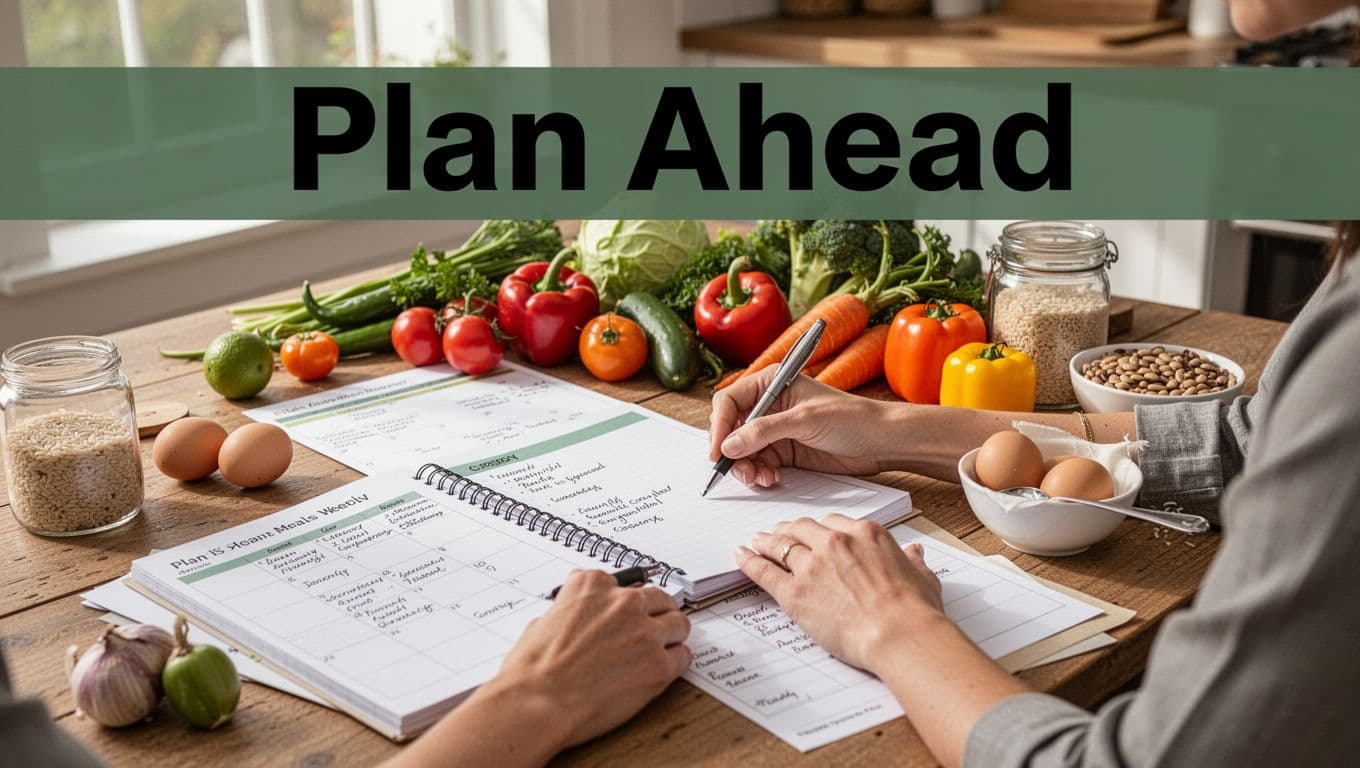
Here’s a simple weekly planning flow you can repeat:
- Pick breakfasts, lunches, dinners, and 1 or 2 snacks for the week.
- Build one grocery list that matches those meals.
- Shop only from the list, and skip “extras” unless you truly need them.
- Plan for leftovers, so you’re not cooking from scratch every night.
When you plan, you also waste less food. That matters, because wasting food costs money. In the US, average food waste is about $728 per person per year (and many households feel that directly in their grocery bills).
If you want an extra confidence boost, use USDA’s cost-based food plan examples to see how healthy eating can fit different budgets. Here’s a helpful starting point: USDA Food Plans for healthy eating at different costs.
For March planning, lean into seasonal produce like cabbage, carrots, potatoes, and broccoli. They’re usually cheaper in late winter into early spring, and they keep well in your fridge.
Most importantly, don’t aim for “perfect.” Aim for meals you can actually repeat.
Use the Plate Method for Easy Balance
When your budget is tight, you don’t need fancy recipes. You need a simple way to build balanced plates that stretch cheap ingredients.
The plate method is easy to visualize:
- Fill half your plate with fruits and non-starchy vegetables.
- Fill a quarter with lean protein (beans count here, too).
- Fill a quarter with whole grains or starchy carbs.
- Add a small amount of healthy fats (like peanut butter, olive oil, or nuts).
If you want a clear guide you can bookmark, this plate method explanation from UCSF Health is straightforward: Plate method for healthy meal planning.
Budget-friendly meals get easier when you stretch staples:
- Carrot and potato hash with eggs: cook veggies in a pan, add eggs on top, and serve with a side of greens.
- Lentil pasta bowls: mix cooked lentils into pasta with canned tomatoes, then add steamed broccoli.
- Quick stir-fry plate: use frozen veggies, add beans or eggs, and serve over rice.
These meals work because they’re built on low-cost basics. You get fiber and vitamins from veggies. You get protein from beans, eggs, or tuna. And you get energy from grains and potatoes.
Here’s the big money-saving trick: when your plate is balanced, you need fewer expensive add-ons. You’re not hunting for snacks to “fill the gap.” Your plate already does the job.
Hunt for the Best Deals on Nutrient-Dense Foods
Deals matter, but only if you buy foods that support a healthy diet. Otherwise, the cart just gets cheaper and still ends up unhealthy.
Start with three habits that cut costs fast:
- Shop hungry (or at least snack first). If you go in hungry, your list won’t survive.
- Check unit prices, not just the big price tags. Bigger sizes can cost less per ounce.
- Use store brands for items like rice, pasta, and canned tomatoes.
Also, scan loyalty discounts and store flyers. That’s not “extra work.” It’s you choosing where your money goes.
This year has a mixed picture. Food-at-home prices were forecast to rise around 2.5% in 2026, which sounds small, but it still adds up across a month. Some categories rise more than average, and others ease off. Eggs are a good example.
Here’s what the USDA outlook showed for certain categories:
| Food category | Expected change (USDA outlook) |
|---|---|
| Sugar and sweets | +7% |
| Beef and veal | +5.5% |
| Fresh vegetables | +1.4% |
| Fresh fruits | +0.1% |
| Eggs | -27% |
Eggs can be a bright spot in your budget. In March 2026, average egg prices were about $2.50 per dozen (based on the latest available retail data from that period).
For beans, you also have a strong staple option. Early 2026, dried beans averaged about $1.70 per pound.
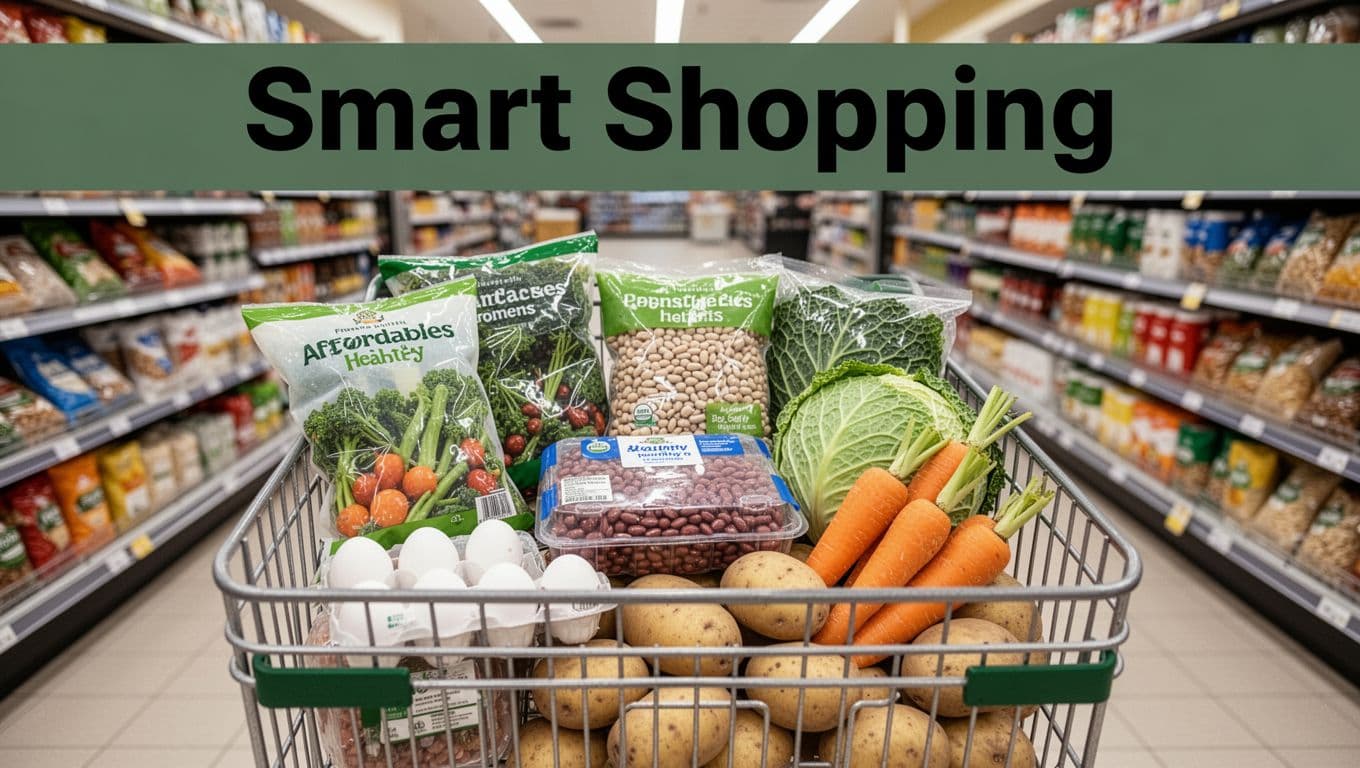
So what should you buy when you want health without high cost? Focus on foods that check multiple boxes at once:
- Cheap proteins: dried beans, lentils, eggs, and canned tuna or chickpeas
- Seasonal produce: cabbage, carrots, potatoes, broccoli
- Long-lasting pantry staples: rice, oats, whole wheat pasta, canned tomatoes
If you’d like a quick reminder of practical budget rules, MyPlate has a helpful page here: Eat Healthy on a Budget from MyPlate.
The goal isn’t to buy “perfect.” It’s to buy foods that let you eat well most nights.
Why Frozen Veggies and Fruits Are Your Secret Weapon
Fresh produce can be great, but it’s not always friendly to your budget. Frozen produce often wins because it’s picked at peak ripeness and stored right away.
That means you get:
- Great nutrition without worrying about it going bad in your fridge
- Less waste since you only cook what you need
- More stable prices, especially when fresh gets expensive
Frozen broccoli is a perfect example. You can toss it into stir-fries, soups, and pasta without washing, chopping, or planning around timing. Frozen berries work just as well in smoothies, oatmeal, or yogurt bowls.
When you combine frozen produce with cheap staples like beans, eggs, and rice, dinner becomes both healthier and cheaper. Think of frozen foods like “meal insurance.” They help you avoid last-minute takeout.
Build a Pantry of Staples That Last
A strong pantry turns cooking into a habit, not a daily decision. When you have staples on hand, you can make a healthy meal even when you’re tired or running late.
Aim for a small set of items you can combine in many ways. For example:
- Rice and oats for quick bases
- Whole wheat pasta for easy dinners
- Beans and lentils for protein and fiber
- Canned tomatoes for fast sauces and stews
If you shop sales, pantry staples can stretch your grocery dollars. Buy extra when prices drop. Then rotate through them instead of starting over every month.
Storage also helps. Keep grains dry and sealed. Store canned items in a cool cabinet. Then you’ll use what you bought, not what you forgot.
Batch Cook and Make Quick Meals to Save Time and Cash
Batch cooking is where the budget math gets real. When you cook one big batch, you reduce the cost of time and reduce the temptation to order out.
You’re not trying to become a cooking show. You’re building a system.
Pick one day to cook larger portions. Then use leftovers for lunches and weeknight dinners. You can also freeze portions for future busy days. This keeps meals consistent, which helps both your wallet and your health.
Repurpose also works. If you cook a pot of beans, you can eat them as chili one day and as a rice bowl the next.
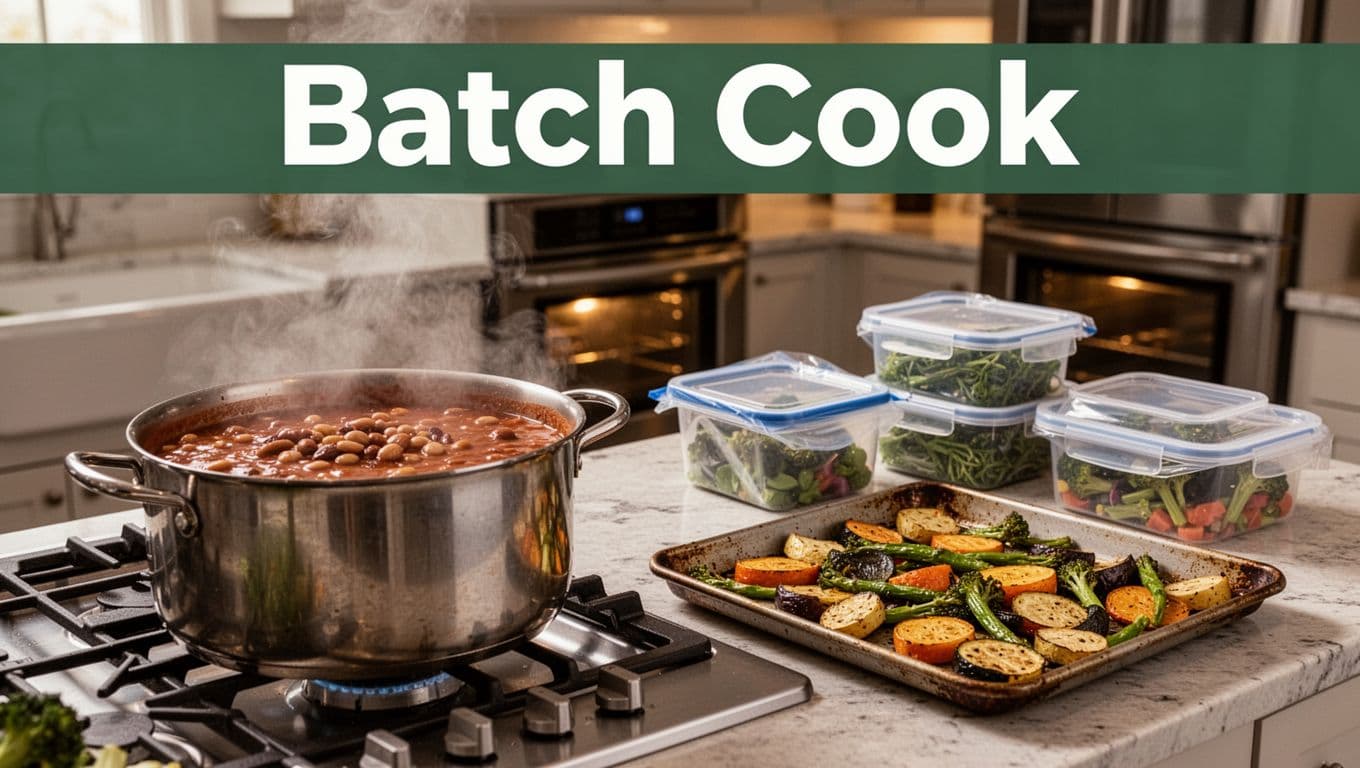
A helpful goal is 80% healthy. Most weeks won’t be perfect. But when you batch cook, you make it easier to eat well even on the days that get messy.
Simple Batch Ideas for Freezer Meals
Keep batch cooking simple and repeatable. Two methods work well: cook a big “base” and cook a big “side.”
Try one of these:
- Bean stew base: simmer beans with canned tomatoes, onions, and spices. Cool, then portion into containers. Freeze some.
- Roasted veggie tray: roast a mix of carrots, potatoes, and broccoli. Use leftovers for bowls or add to soups.
Portioning is key. Fill small containers for grab-and-go lunches. Label them with the meal and date. You’ll actually use them.
If you want more quick meal ideas that fit real life, Cornell Health has a solid PDF with budget-friendly options: Quick, easy, and budget-friendly meal ideas.
Fast Recipes for Nights You Cannot Cook Long
Not every night is “cook dinner.” Some nights are “survive dinner.” That’s where fast recipes help.
Pick recipes that rely on staples you already bought:
- Tuna salad wraps: mix canned tuna with yogurt or mayo, add diced veggies, then use tortillas.
- Peanut butter oat bowls: cook oats or use quick oats, stir in peanut butter, then add fruit.
- Veggie pasta: warm a jar of sauce (or canned tomatoes), toss in frozen veggies, then add pasta.
- Egg fried rice: use leftover rice, scramble eggs, and add frozen mixed vegetables.
You can keep these under 15 minutes if you plan ahead and keep staples ready. After all, the cheapest meal is the one you eat at home.
Slash Food Waste to Make Your Budget Go Further
Food waste is not just bad for the planet. It’s bad for your budget. When you throw away food, you erase the money you already spent.
Here are practical ways to waste less:
- Eat perishables first (berries, greens, and cut veggies).
- Store produce the right way. Carrots last longer when you keep them hydrated.
- Use near-end vegetables in soups or stir-fries.
- Use overripe fruit in smoothies or baked oatmeal.
- Freeze leftovers so they don’t become garbage.
It also helps to track waste for one week. Write down what you tossed. Then adjust your grocery list for next week.
USDA also breaks down why reducing waste helps families save money. If you want more ideas, start here: Reducing food waste saves money and time.
When you waste less, your budget feels bigger. And your meals feel less stressful.
Conclusion
Healthy eating on a budget isn’t about willpower. It’s about systems that prevent overspending. Weekly planning cuts impulse buys. The plate method keeps meals balanced without pricey extras.
Then batch cooking turns dinner into something you can repeat. Finally, reducing waste helps you save money twice, once at the store and again when you stop throwing food out.
If you want a simple next step, make a quick meal plan this weekend. Then shop your list, not your mood. What’s one staple you’ll stock up on first?