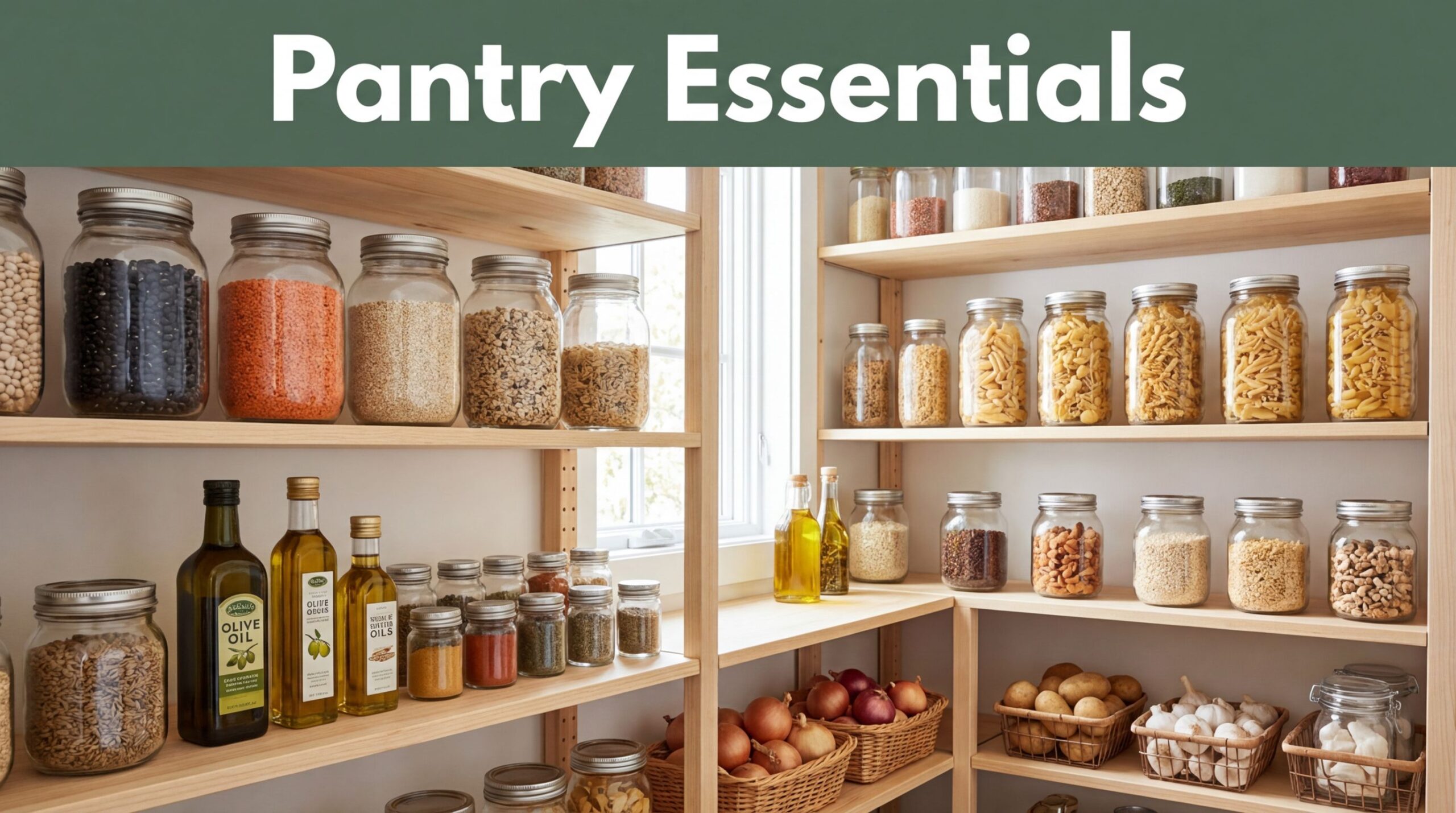
Have you ever come home tired, hungry, and sure the fridge “might” have something? Then you open it and see almost nothing that turns into a real meal. It’s the worst feeling, especially on weeknights.
A well-stocked pantry makes meals feel less like a chore. You spend less on takeout, waste less food, and you can cook something filling even when the weather turns bad. In 2026, that matters even more. Many people using GLP-1 meds are focused on higher protein and lower sugar, so pantry staples that help you stay full are showing up everywhere.
Think of this as your simple “always at home” list. If you keep a small set of grains, proteins, produce, fats, spices, and a few baking basics, you cover most everyday meals. Done right, 15 to 20 essentials can handle about 80% of what you cook.
Let’s build that pantry.
Grains and Carbs That Build Quick, Filling Meals
Grains and carbs do more than fill you up. They help you stretch pricey ingredients, and they stay good for a long time. In other words, they’re your budget-friendly base layer. Plus, they cook fast when you need dinner now.
A good starting point is a pantry checklist that matches real cooking, not just theory. Food Network’s Pantry, Refrigerator and Freezer Essentials Checklist is a helpful reference when you want to sanity-check your basics.
Here’s what matters most for everyday meals: pick carbs that work in hot meals and cold meals. Choose grains that hold up in soups, stir-fries, salads, and sheet-pan dinners. Then buy in bulk when you can, because dry goods store well.
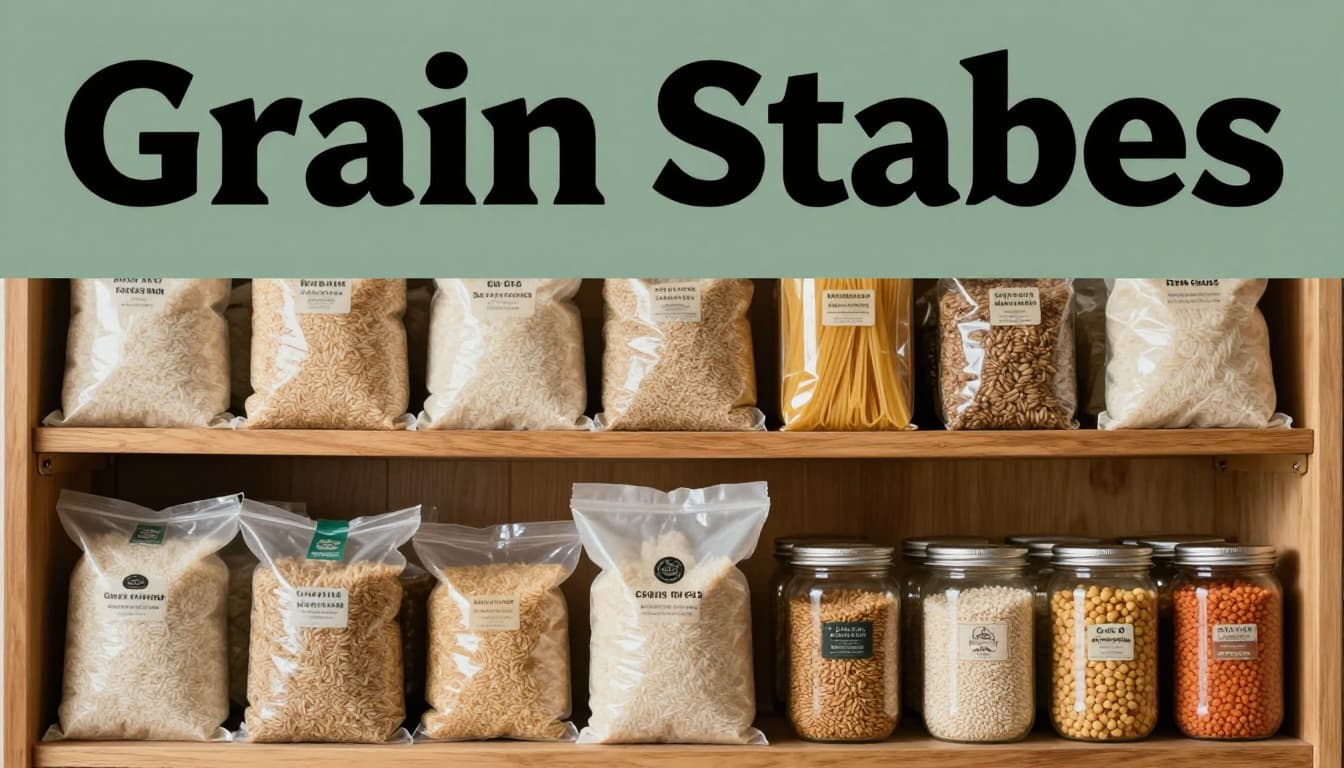
Rice: Your Go-To Base for Any Dish
Rice is one of the easiest “default meals” you can keep on hand. It’s cheap, cooks in batches, and works with almost any sauce. If stored dry and sealed, it can last for a long time. For best flavor, use it within a few years, but it’s forgiving compared to fresh food.
Choose white rice if you want faster cook times and a softer texture. Go with brown rice if you want more fiber and a heartier bite. Both work for 1-bowl dinners.
Two easy uses you can rotate:
- Veggie fried rice: sauté frozen mixed veggies, add cooked rice, then stir in soy sauce (or tamari) and a scrambled egg if you have one.
- Soup thickener: add rice to broth with canned chicken, beans, or vegetables. It turns thin soup into a filling bowl.
If you cook rice often, batch it. Cook a bigger pot on a weekend, then keep portions in the fridge for quick reheats. In practice, that single habit cuts meal stress a lot.
Also, since you’re planning for 2026 habits like steadier energy and better fullness, rice pairs well with protein sources from your pantry. Think canned tuna, beans, or peanut sauce.
Pasta and Quinoa for Nutritious Twists
Pasta earns its place because it’s fast and flexible. You can build a meal from leftovers, frozen veggies, and a simple sauce. To make pasta more “everyday healthy,” choose whole wheat pasta, or a bean-based pasta when you want more fiber and protein.
Quinoa is different from rice and pasta. It cooks quickly and it’s a complete protein, which helps with meal satiety. That matters for many people who want better fullness while eating less, especially with GLP-1 trends.
Quick ideas that feel fresh without extra work:
- Cold pasta salad: toss cooked pasta with olive oil, lemon (or vinegar), chopped pickles, and canned tuna or chickpeas.
- Quinoa bowl: microwave quinoa, then top with canned beans, roasted frozen peppers, and a drizzle of olive oil.
In recent months, more people have been choosing bean-based products for protein and fiber. So if you see lupini or chickpea pasta on a good sale, it’s worth adding to your shelf. It’s one more way to keep meals satisfying with fewer “extra bites.”
Lentils and Beans: Protein-Packed Powerhouses
If rice is your base, lentils and dried beans are your “meal muscle.” They’re cheap, shelf-stable, and full of fiber. And for plant-forward cooking, they’re hard to beat.
Red lentils cook fast. You can often get dinner-ready in about 15 minutes. That makes them great for last-minute soup, curry, or thick stew.
Chickpeas and black beans add staying power, too. Use them in chili, salads, burrito bowls, and even quick “refried” bean mixes. If you keep canned beans on hand, you can skip soaking and still eat well.
Here’s the sweet spot: dried lentils and beans store for a long time, while canned beans keep you covered when you’re short on time. In 2026, that mix helps you stay consistent, even when your week is messy.
Also, don’t underestimate how much beans improve leftovers. One pot of lentil soup can feed you for days. Then you’re not relying on convenience food every time you’re tired.
Shelf-Stable Proteins to Keep You Full Longer
Protein is the pantry category that’s getting the most attention right now. Many people using GLP-1 meds need protein to stay satisfied. When meals feel more filling, cravings often calm down.
You don’t need special supplements to do this either. You just need reliable staples that don’t require refrigeration. Shelf-stable protein also saves you when you forget to thaw meat.
For GLP-1-friendly grocery ideas, SELF has a strong breakdown in The Ultimate Grocery List for GLP-1 Users, According to a Dietitian. Even if you’re not on GLP-1 meds, the overall focus makes sense: nutrient-dense foods that support fullness.
Canned Fish and Beans for Instant Protein
Canned fish is one of the smartest pantry buys. It’s ready the moment you need it, and it brings omega-3 fats. Wild salmon and sardines are especially popular because they feel “restaurant-level” without the work.
Try this simple pairing:
- Add canned salmon or tuna to rice.
- Add canned beans to pasta.
- Finish with olive oil, vinegar, or a squeeze of lemon.
Canned beans double as protein and veggies. They also work in meals where you want fewer ingredients. Rinse them if you’re watching sodium, especially if you’re sensitive to salt.
When you’re building your pantry, aim for variety. Tuna works for salads and bowls. Sardines or salmon can handle stronger flavors, like tomato sauces and spicy seasonings.
Nuts, Seeds, and Peanut Butter Essentials
Snacks are where a pantry either helps you or hurts you. If your snacks are “almost snacks,” you’ll end up hungry again fast. Nuts, seeds, and peanut butter give you a steady option.
Keep:
- Natural peanut butter for toast, smoothies, and stir-ins
- Almonds or walnuts for crunchy snacking
- Chia seeds for thickening oatmeal or yogurt
Seeds also help with fiber. Chia, for example, turns simple breakfasts into filling meals. If you’re eating fewer calories but want to stay full, adding fiber and protein is a smart move.
Portion control matters, though. Nuts are healthy, but they’re calorie-dense. A small handful is usually enough. Then you avoid the “why am I still hungry?” loop.
Fruits, Veggies, and Fats That Stay Fresh Without a Fridge
Fresh produce is great, but it spoils faster than you’d like. Shelf-stable produce and long-lasting fats keep you covered. They add flavor, color, and nutrients without constant grocery runs.
In 2026, more people are buying pantry versions of produce. It reduces waste and keeps cooking simple. You’re also more likely to cook at home when you always have the right base ingredients ready.
Canned Tomatoes: The Ultimate Flavor Base
Canned tomatoes are the hero of pantry cooking. They turn boring meals into something you actually want to eat. Use them for chili, pasta sauce, stews, and quick braises.
A good tip: stock a couple of sizes. One bigger can covers soups and chili. A smaller can helps with weeknight pasta.
If you want extra depth, choose fire-roasted tomatoes when you see them. They add a smoky flavor even when you’re not cooking for hours.
For fast meals, combine canned tomatoes with:
- canned beans
- dried pasta or rice
- frozen onions and peppers
- a jar of spices and a dash of vinegar
This is where your pantry “system” shows up. You’re not guessing. You’re combining dependable parts.
Oils That Make Every Meal Taste Better
Fats are more than flavor. They help you absorb certain nutrients and make meals feel more complete. Plus, oils stretch your cooking because a little goes far.
Keep one oil for everyday cooking:
- Extra virgin olive oil for dressings, drizzles, and finishing
- Avocado oil for higher heat cooking
Also consider ghee or coconut oil if you cook at higher temperatures. They can handle roasting and sautéing without tasting off.
Here’s a practical hack: pick one oil you love for taste, then use it most of the time. When you add a second oil, use it for a specific job like roasting.
If you want more ideas on how to build a starter pantry, Bon Appétit’s If My Pantry Were to Disappear, Here’s What I’d Restock Immediately gives a good “real life” lens. You’ll notice how many people prioritize oils, canned goods, and flavor builders.
Spices and Condiments to Elevate Simple Foods
A pantry full of dry goods is great. But spices and condiments are what make those basics taste like a real meal. Without them, rice and beans can feel flat.
The best spice shelf stays small. It covers daily needs, not one-time experiments. And it helps you avoid food waste because “leftover” turns into “new dinner.”
Core Seasonings: Salt, Pepper, and Garlic Powder
Start with the trio that fixes most bland meals.
- Salt: brings out flavor in everything, including beans and tomatoes
- Black pepper: adds warmth and a clean finish
- Garlic powder: gives instant savory flavor, even when you’re out of fresh garlic
Quality matters more than people think. Fresh-ground pepper often feels brighter. Sea salt can taste smoother, but the real win is using enough to balance flavors.
If you’re cooking with canned goods, remember they’re already seasoned. So add salt slowly. Then taste and adjust.
Wellness Spices Like Turmeric and Cinnamon
Turmeric and ginger show up in many kitchens for a reason. They add warmth and depth. They also fit the “better-for-you” food trend, where people want spices beyond salt.
Use turmeric in:
- soups and lentil bowls
- quick rice dishes
- roasted chickpeas
Cinnamon works in oatmeal, yogurt, and even some savory breakfasts. Keep it on hand for days when you want a simple sweet note without adding lots of sugar.
For more inspiration on pantry habits linked to home cooking, Kansas City Star’s piece on healthy home cooking pantry staples highlights how the right mix can stop takeout spirals.
Baking Staples and 2026 Trends for Smart Stocking
Baking isn’t just for desserts. It also helps you cook at home more often. When you have baking staples, you can turn pantry ingredients into snacks, breakfasts, and easy treats.
The biggest 2026 shift is about staying satisfied. People want lower sugar, but they don’t want food to taste sad. So sweeteners and fiber-boosters are popping up more in pantries.
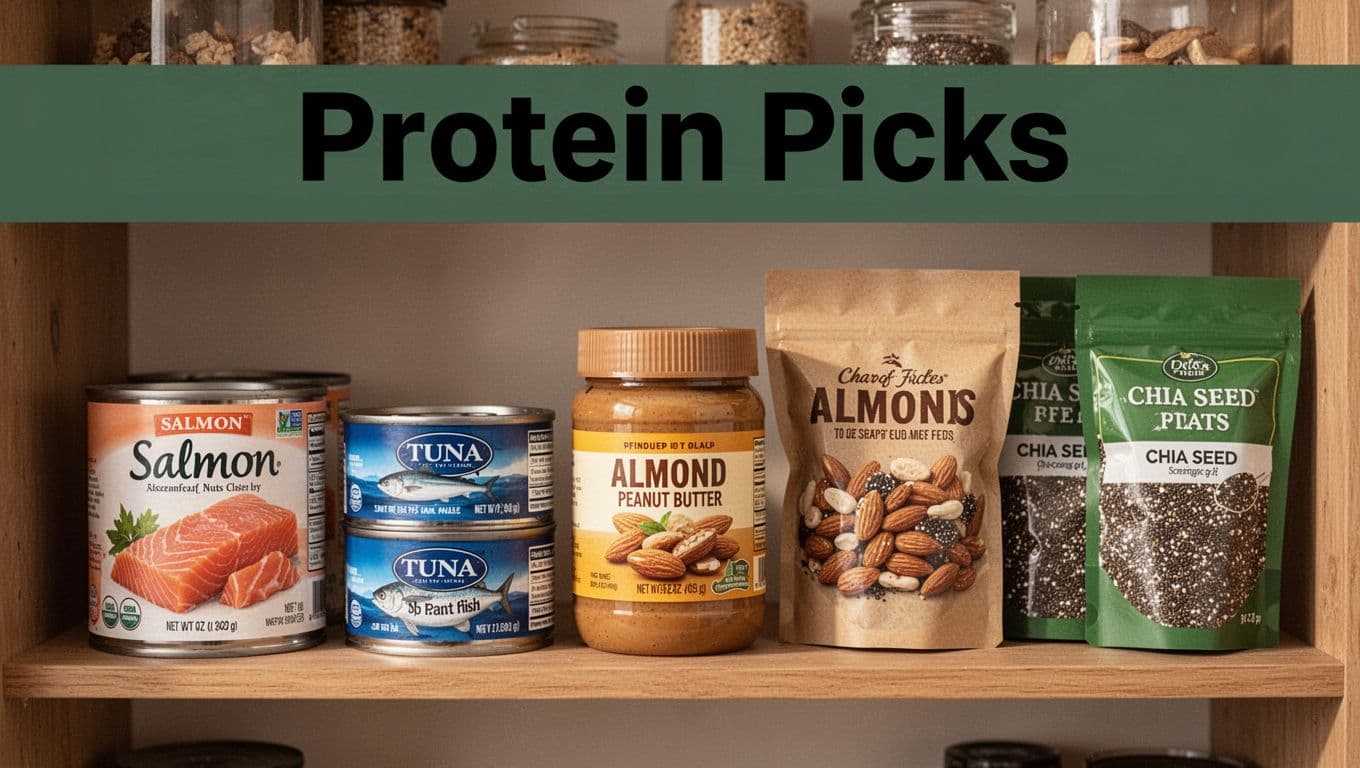
Low-Sugar Sweets and High-Fiber Boosts
For sweet cravings, keep one or two options. Common choices include:
- Monk fruit or stevia for drinks and light baking
- Allulose if you want a sugar-like feel in some recipes
- Chia seeds for fiber (and texture) in puddings and oats
Also, watch for trends toward “gut-friendly” foods. Basil seeds (often used in drinks) and chia are popular because they add fiber without requiring cooking skills.
Just remember the goal. You’re not trying to replace every treat. You’re trying to keep choices on hand so you don’t overeat when cravings hit.
Practical Tips to Stock Without Waste
Ready to build your pantry? Start small and buy based on what you actually cook.
A simple way to avoid waste is to rotate. Put newer items in the back, and bring older ones forward. Then label with dates. It takes two minutes and saves you money.
Also, store dry goods in clear bins. You’ll see what you have, so you stop buying duplicates. And because many pantry items are shelf-stable, bulk buys can make sense when the price is right.
If you want an easy framework, eathealthy365’s Essential Pantry Items for 2026: A Complete Guide is useful for spotting gaps in your basics.
Here’s a starter shopping list for a pantry that covers most meals:
- Rice (white or brown)
- Pasta (whole wheat or bean-based)
- Quinoa or oats
- Red lentils
- Dried beans or canned beans
- Canned fish (tuna or salmon)
- Peanut butter
- Nuts or seeds (almonds, chia)
- Canned tomatoes
- Olive oil (and avocado oil if you roast often)
- Vinegar (apple cider or red wine)
- Soy sauce or tamari
- Salt, pepper, garlic powder
- Turmeric and cinnamon
- Flour
- Baking powder
- Low-sugar sweetener
- Chia seeds (if you didn’t already include them)
Once you have these, you can mix and match. Add eggs, frozen vegetables, or yogurt when you want. But the pantry gives you structure on nights when you have none.
Conclusion
You came in hungry, and your fridge didn’t help. That’s when a stocked pantry saves the day.
Focus on a few core ingredients: grains for easy bases, shelf-stable proteins for fullness, canned produce for flavor, and spices to make everything taste intentional. Then add baking basics and a couple of low-sugar options for the days you want something sweet.
Start today. Build your list, check what you already own, and restock what’s missing. What’s one pantry staple you can’t live without? Share it, and keep the home-cooked momentum going.